
Garden Shopping in Sacramento: A Fall 2026 Planting Guide
03 October 2026 · 8 min read
Sacramento's dry summers and mild, wet winters make fall the best stretch of the year to plant — not spring, despite what big-box seasonal displays suggest. Soil is still warm from summer, rain is on the way to do the watering for you, and anything planted now has months to grow roots before next year's heat arrives. The directory already lists more than three dozen garden-related businesses in Sacramento, from native-plant specialists to a bonsai nursery to a landscape supply yard, and this guide walks through what each kind of shop actually offers so a fall planting list doesn't mean guessing which door to walk through.
This isn't a ranking of which nursery is "best." It's a map of what's actually available around Sacramento and which kind of business fits which kind of project — because a courtyard refresh, a native plant bed, and a full irrigation overhaul each call for a different stop.
Why Fall Is Sacramento's Real Planting Season
Sacramento sits in USDA hardiness zone 9b, with summer highs that regularly climb past 95°F and winter lows that rarely threaten a hard freeze. That combination punishes anything planted in May or June: young roots have to establish themselves at the exact moment the ground is driest and hottest. Planting in October or November flips that equation. The soil retains some of its summer warmth, which keeps root growth active, while cooler air and the start of the rainy season cut down on watering chores. By the time next summer's heat shows up, a fall-planted tree, shrub, or perennial has had a full winter and spring to settle in.
That's true for ornamentals and fruiting trees alike, and it's also the season when nurseries restock with bare-root stock, winter vegetable starts, and the kind of woody plants that don't move in July. Shopping with the calendar in mind, rather than against it, is the single biggest factor in whether a new planting survives its first Sacramento summer.
What a Fall Planting List Usually Includes
Four categories of plants tend to show up on a Sacramento fall shopping list, and each points toward a different kind of nursery:
- California natives — manzanita, ceanothus, native grasses and sages that are dormant or slow-growing through the dry summer and want to go in the ground right as the rains start.
- Trees and bare-root stock — fruit trees, shade trees, and roses are typically sold bare-root through the cooler months, which is both cheaper to ship and easier on the plant than a container purchase made in July heat.
- Winter and cool-season vegetables — garlic, onions, leafy greens and brassicas that need the shorter, cooler days to mature without bolting.
- Succulents and drought-tolerant ornamentals — not strictly tied to the fall window the way natives are, but easier to establish with less frequent watering once the rain starts doing some of the work.
Matching the plant category to the right specialist, rather than assuming every nursery stocks everything, saves a wasted trip.
Garden Centers for Fall Color and Everyday Stock
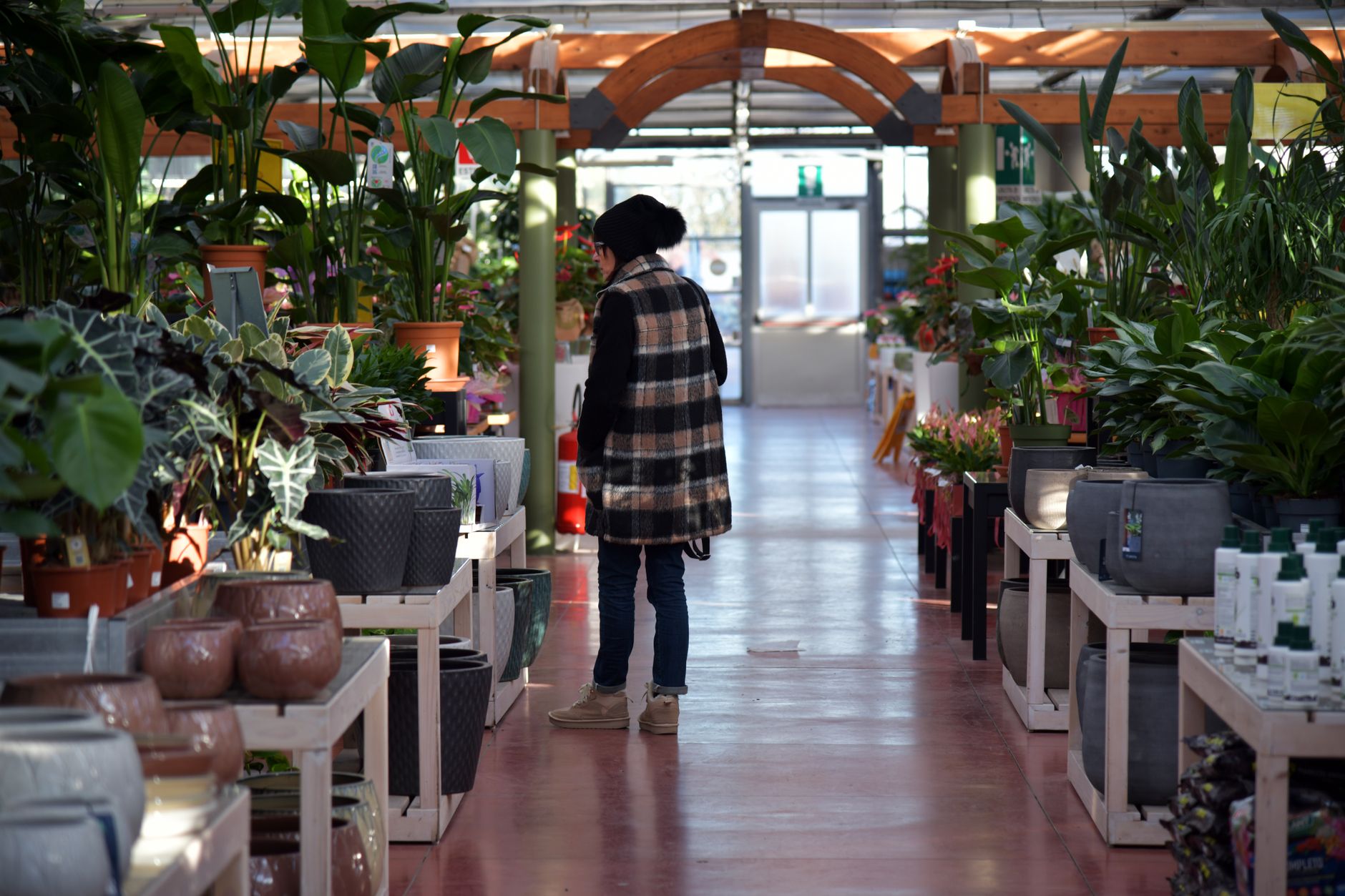
For general plant shopping — color flats, perennials, houseplants, soil and pottery — Sacramento has several long-running garden centers rather than just big-box chains.

Talini's Nursery and Garden Center
Garden Centers · Sacramento, California
Talini's Nursery and Garden Center has been family-run since 1976 and stocks annuals, perennials, houseplants, succulents, pottery, and premium soils, which covers most of what a fall planting list calls for in one stop.

The Plant Foundry | Nursery & Store
Garden Centers · Sacramento, California
The Plant Foundry, in the city's Triangle District, describes itself as an urban, eco-friendly nursery — a useful option for smaller city lots and courtyard gardens rather than acreage.

Shepard Garden & Art Center
Garden Centers · Sacramento, California
Shepard Garden & Art Center pairs its retail side with an art center, reflecting its roots as a community garden and horticultural organization rather than a purely commercial nursery.
Between the three, most of a standard fall color rotation — mums, pansies, ornamental kale, and the perennials that fill in after summer annuals fade — is covered without needing to drive across town. Soil amendments and pottery are typically stocked at the same counter, which matters since fall planting almost always means amending beds that have been baked dry since May.
Specialty and Native Plant Nurseries
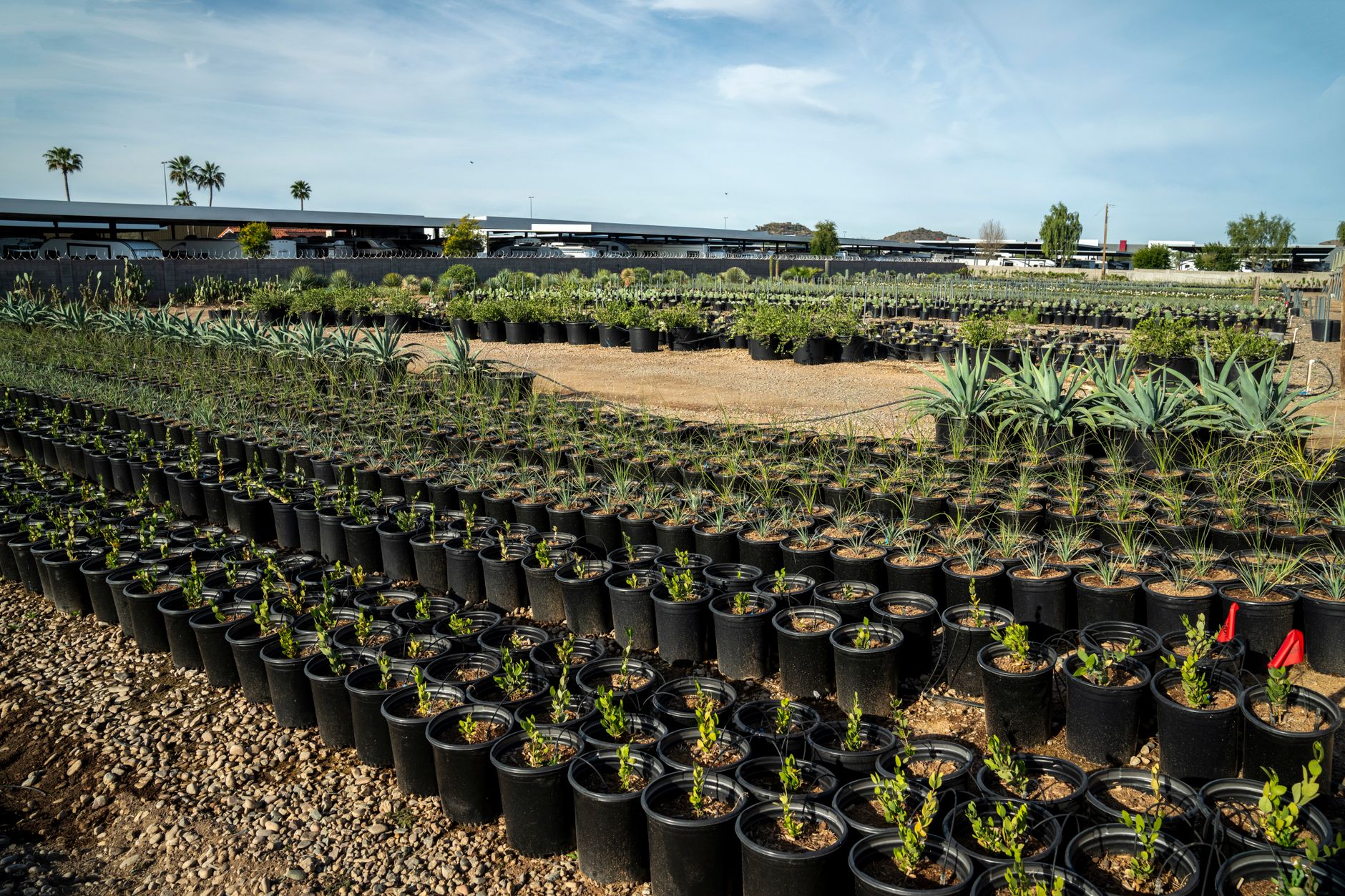
Fall is also the right time to add California natives, since they're built for exactly the dry-summer, wet-winter cycle the Central Valley runs on, and a specialist nursery is a better source for them than a general garden center.

Mother Natives
Plant Nurseries · Sacramento, California
Mother Natives, in Midtown, is dedicated specifically to California native plants and also works as a landscape designer, which matters if a native planting needs more than a few pots picked off a bench.

The Prickly Pear
Plant Nurseries · Sacramento, California
The Prickly Pear is a succulent and cactus nursery built into a remodeled, century-old building, with a shop and garden that's also used as an event venue — worth a visit for drought-tolerant stock even outside of fall planting season.

Maruyama Bonsai Nursery
Bonsai, Cactus & Orchid Specialists · Sacramento, California
Maruyama Bonsai Nursery focuses on bonsai, keeping morning hours (8:30 a.m. to noon most days, closed Sundays) that are worth checking before making a special trip.
These three sit at very different points on the specialty spectrum — natives for habitat and water savings, succulents for a low-maintenance display, bonsai for a dedicated hobby — but all three reward a fall visit, since container stock planted now has the cool season to settle in before summer stress tests it.
Fruit and Shade Trees for the Fall Window
Trees are where the fall-planting advantage shows up most clearly — a tree planted in October has a full dormant season to grow roots before it has to support leaves through a Sacramento summer.

Trees Outlet
Plant Nurseries · Sacramento, California
Trees Outlet, out toward the Elder Creek area, carries fruit trees, citrus, tropical and exotic fruiting varieties, Japanese maples, olive trees, and shade trees, which makes it a practical stop for anyone planning a fall tree-planting list rather than a single impulse purchase.
A tree planted in late fall has roughly five months of cool, wet weather to establish before the first hot stretch of late spring — far more of a head start than a tree planted in April gets. That's the whole case for buying trees now instead of waiting for the spring rush, when the same nurseries are busier and bare-root selection has already thinned out.
Soil, Mulch and Irrigation Supplies
Plants are only half of a fall planting project. Amended soil, mulch, and an irrigation system adjusted for the wet season matter just as much, and that's a different kind of business than a retail nursery.

Horizon Distributors
Landscape Supply Stores · Sacramento, California
Horizon Distributors supplies irrigation equipment, landscape materials, fertilizer, and outdoor power equipment parts and service, serving contractors and homeowners handling larger projects rather than a single flat of annuals. It's listed under the directory's landscape supply category for Sacramento, alongside other yards that stock material by the yard rather than the bag.
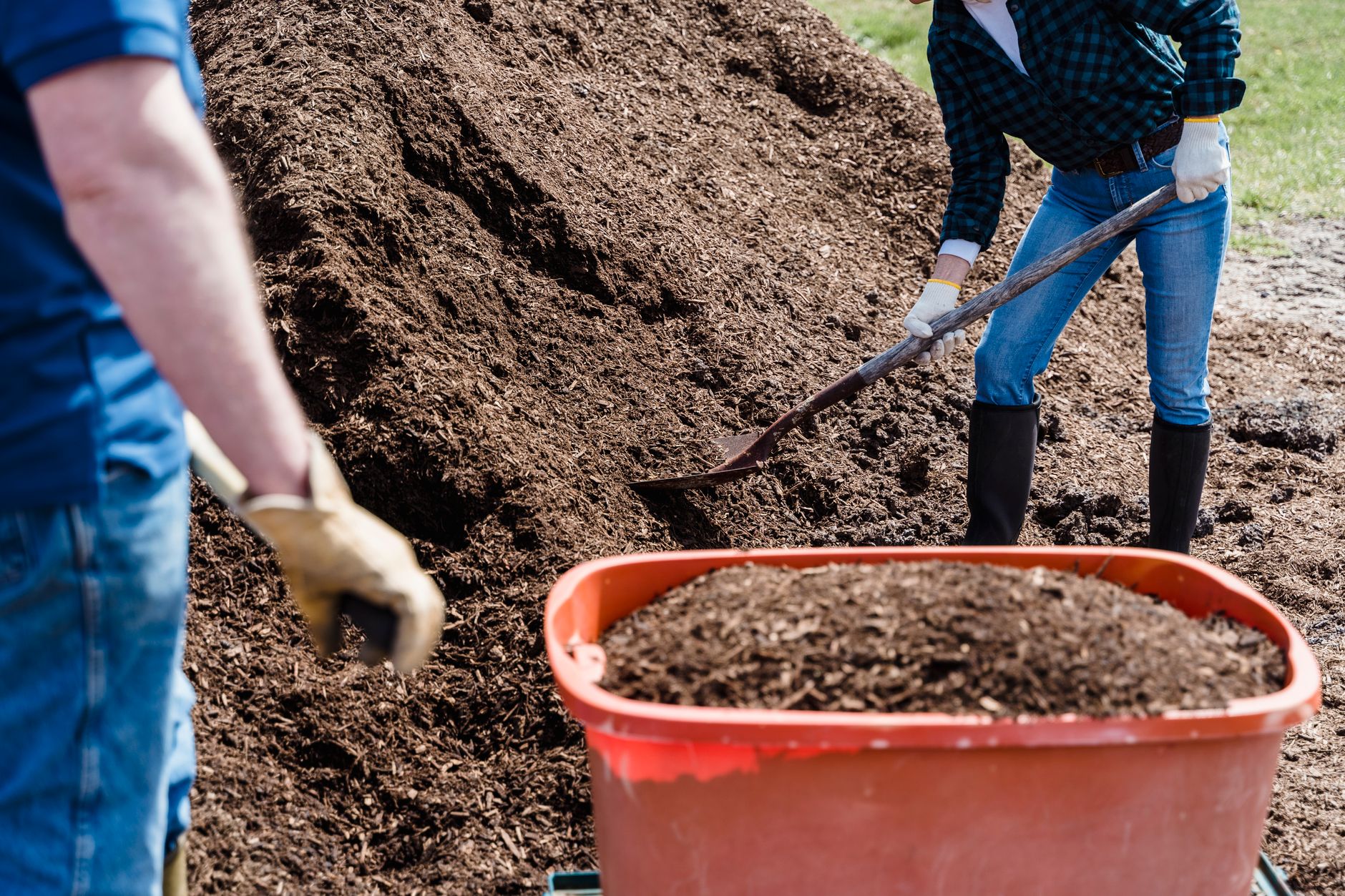
A supply yard is also where to go for equipment, not just material — Horizon's listing covers irrigation parts and outdoor power equipment service alongside bulk soil and mulch, which is a different shopping trip than picking up a few bags at a garden center. Anyone converting a lawn area to beds, or redoing an irrigation zone before winter rain arrives, is better served starting here than trying to piece the job together a bag at a time from a retail nursery.
Watering New Plantings Through a Sacramento Winter
Fall planting doesn't mean no watering. Sacramento's rain is concentrated in a handful of storms between November and March, not a steady drip, and a newly planted tree or shrub still needs consistent moisture at the root ball between storms until it's established — generally through its first full year, regardless of the season it went in. A layer of mulch, kept a few inches back from trunks and stems, helps even out the gaps between rain events and cuts down on how often supplemental watering is needed. This is where a landscape supply yard earns its place on the list: mulch and amended soil bought in bulk for a whole bed is usually more practical than a handful of bagged soil from a nursery checkout line.
Garden Center, Specialty Nursery or Supply Yard: Which One to Visit
Not every fall planting trip needs the same stop. A quick way to sort it out:
| Type of business | Best for | What to expect |
|---|---|---|
| Garden center | General stock: annuals, perennials, houseplants, pottery, soil bags | Broad selection, retail hours, walk-in shopping |
| Specialty nursery | Natives, succulents, bonsai, citrus and shade trees | Narrower stock chosen by a specialist, sometimes limited hours |
| Landscape supply yard | Bulk soil, mulch, gravel, irrigation parts | Material sold by volume, geared toward bigger jobs and contractors |
A small fall refresh for a patio or a few beds usually starts and ends at a garden center. A native-plant bed, a citrus tree, or a bonsai collection calls for the specialist that actually stocks it. A full yard renovation with new irrigation lines is a supply-yard trip, not a nursery one.
Finding What's Nearby
The full list of Sacramento garden centers, nurseries, and supply businesses — including ones not mentioned above — is searchable on the directory's Sacramento business page, broken out by category: garden centers, plant nurseries, and specialty plant nurseries among them. That list keeps growing as more businesses are added, so it's worth checking back for neighborhoods beyond the ones covered here — East Sacramento, Land Park, and the outskirts toward Elk Grove and Folsom all have their own nurseries and supply yards that didn't make this particular list.
Checking current hours and stock directly with each business before driving out is worth doing, since nursery inventory shifts with the season and some of the specialty shops above keep limited or seasonal hours — Maruyama Bonsai Nursery's weekday-morning-only schedule being the clearest example.
The Takeaway
Sacramento's climate makes fall, not spring, the better planting window for nearly everything — natives, fruit and shade trees, and ornamental shrubs all get a head start on root growth before next summer's heat. Matching the shop to the project matters just as much as the timing: a general garden center covers most small projects, a specialty nursery is the better source for natives, succulents, bonsai or fruit trees, and a landscape supply yard is the right stop once a project needs soil or mulch by the yard rather than the bag. Planting now, with the right supplier for the job, is the simplest way to get a yard through next year's dry season in better shape than it went into this one.