Indoor plants don't go dormant the way a maple tree does, but their needs shift hard once the furnace kicks on and the days shorten. A watering and feeding routine that kept a pothos thriving in July can rot its roots by December if nothing changes. Most of the houseplants that end up on the compost pile between October and March didn't die from neglect — they died from care that was still set to summer.
The good news is that winter houseplant care is mostly subtraction: less water, less fertilizer, less direct afternoon sun in some rooms and more in others. Here's what actually changes, and when it's worth a trip to a local plant shop instead of guessing.
Why Houseplants Need a Different Routine Once the Heat Comes On
Three things change indoors at the same time every fall: light intensity drops, heating systems dry out the air, and most houseplants slow their growth in response to shorter days, regardless of indoor temperature. A plant that's growing slower needs less water and less food — it simply isn't using as much. Keep watering on the same summer schedule and the soil stays wet far longer between waterings, which is the single biggest cause of winter root rot in common houseplants like pothos, philodendron, and peace lily.
Central heating compounds the problem in a different way. Furnaces and forced-air systems pull moisture out of indoor air, often dropping relative humidity well below what tropical and subtropical houseplants (most of what's sold as a "houseplant" in the US) evolved with. The combination — slower growth plus drier air plus a schedule that hasn't adjusted — is why so many houseplants look fine in October and rough by February.
Light: Chasing the Shrinking Day
As the sun sits lower in the sky, a windowsill that was bright-indirect light in July can become low light by December, especially on north- and east-facing windows or in rooms shaded by neighboring buildings or evergreen trees. This is the one time of year it's worth physically moving plants rather than just changing how you water them.
A few practical adjustments:
Move plants that need bright light (succulents, most flowering plants, fiddle-leaf fig) to the sunniest window in the house, even if that means a south- or west-facing spot that would have scorched them in summer.
Wipe dust off leaves. Dusty foliage blocks a meaningful amount of already-reduced winter light.
Don't fertilize to try to compensate for low light — more nutrients won't replace photons, and excess fertilizer in slow-growing, low-light conditions just builds up as salts in the soil.
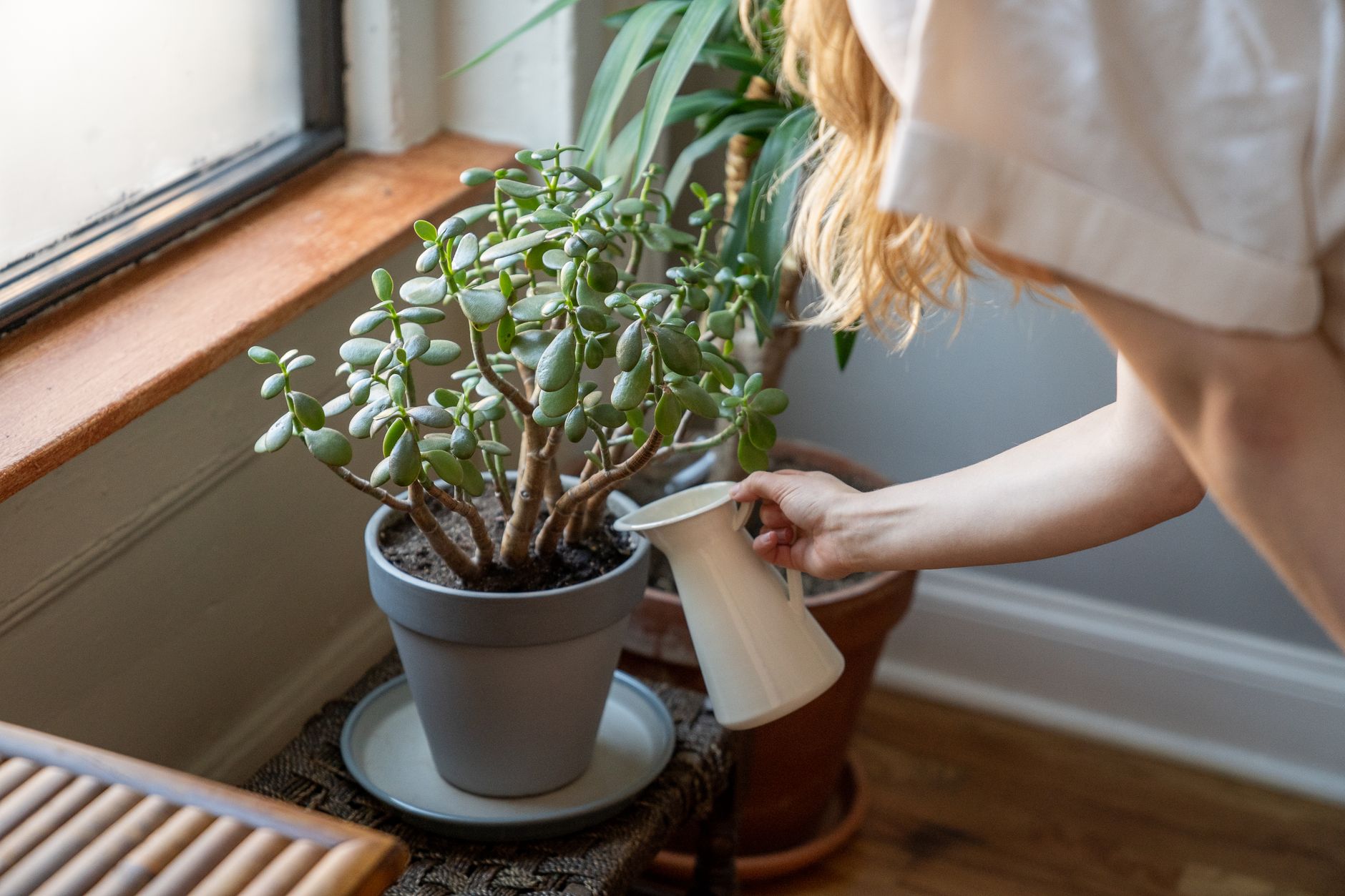
The instinct in winter is to water a little bit, often, out of worry that the plant is thirsty. The better approach is the opposite: water thoroughly, until it drains from the bottom of the pot, then wait longer between waterings than you did in summer — often close to double the interval for many common houseplants.
Check the soil with a finger or a moisture meter before watering rather than watering on a fixed calendar. Pots near heating vents, radiators, or fireplaces will dry faster than the same plant across the room, so a single rule doesn't apply to the whole house.
Brown, crispy leaf tips on plants like calathea, ferns, and some dracaena are a classic sign of indoor humidity dropping too low once the heat is running. A few fixes that don't require a greenhouse:
Group plants together; they raise local humidity for each other.
Run a humidifier in the room with the most humidity-sensitive plants.
Set pots on a tray of pebbles with water below the pot base (not touching the roots) rather than misting, which raises humidity only briefly.
Keep plants away from direct heat sources — a vent blowing hot, dry air on a fern will out-dry almost anything a humidifier can offset.
Feeding: When to Ease Off Fertilizer
Most houseplants slow or stop active growth as light drops in fall, which means most should be fed less often or not at all through the darkest months, then brought back to a regular feeding schedule as new growth resumes in spring. Feeding a plant that isn't actively growing doesn't help it and can damage roots through salt buildup, especially in pots that are already drying slowly.
Exceptions exist — plants under strong grow lights, or ones that bloom in winter like some orchids, may keep feeding on a lighter schedule. When in doubt, a local plant shop that handles the same species regularly is a faster answer than guessing from a label written for average conditions.
Plant Shops & Houseplants · Wilmington, North Carolina
406 Montego Ct, Wilmington, NC 28411
★★★★★5.0(102)
Pests That Move Indoors With Pots
Spider mites, mealybugs, and fungus gnats all become more common complaints in winter, partly because heated indoor air favors spider mites and partly because overwatered winter soil is exactly what fungus gnats breed in. Fungus gnats hovering around the soil surface are usually a watering problem before they're a pest problem — letting the top inch or two of soil dry out between waterings interrupts their breeding cycle.
Inspect new purchases and anything that spent the growing season outdoors before bringing them near established plants. A short quarantine period in a separate room catches most hitchhiking pests before they spread.
Bringing Marginal Outdoor Plants In Before a Hard Frost
Tropical plants that spent the summer on a patio — hibiscus, bougainvillea, many succulents, citrus in containers — generally need to come indoors before the first hard frost, not after. Sudden moves between very different light and temperature conditions stress plants, so where possible, a gradual transition (a shadier spot outdoors first, then indoors) reduces leaf drop.
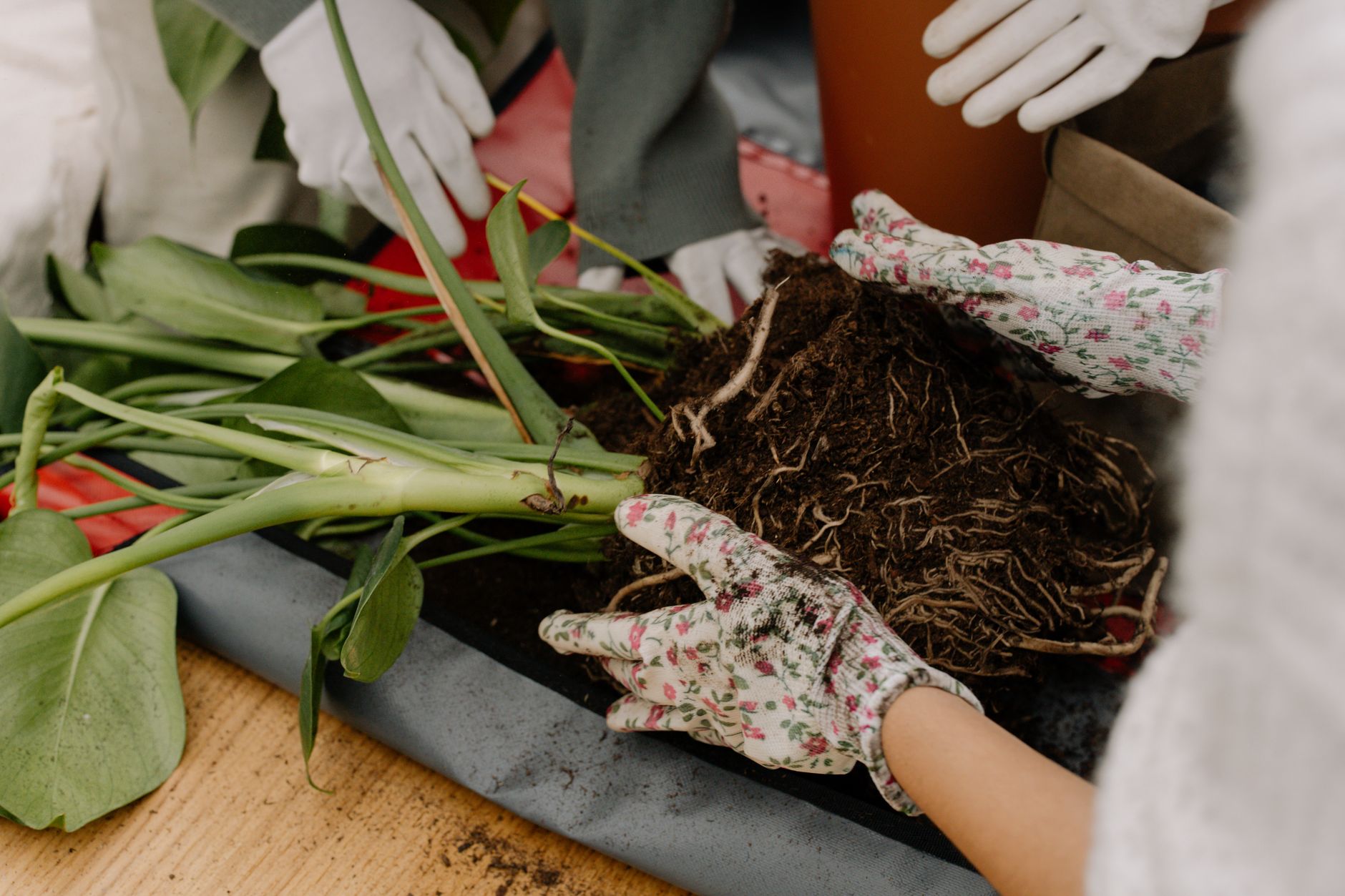
Check for pests and treat before bringing anything inside; a plant that looks fine outdoors can bring aphids, scale, or mites into a house full of other plants. This is also the point in the season where a lot of people realize a plant has outgrown its pot over the summer and needs repotting before it goes dormant for winter — better done now than in the dead of winter.
Winter is generally not the preferred time to repot most houseplants, since repotting disturbs roots right when the plant has the least energy to recover. Exceptions are plants that are clearly root-bound (roots circling tightly or growing out of drainage holes) or in obvious distress from a cracked or waterlogged pot — those issues are worth fixing regardless of season.
What winter is good for: grooming. Trim yellowing or dead leaves, clean dust off foliage, and check root health if a plant is struggling, without necessarily moving it to a new container.
General tendencies for winter care — always adjust for your specific home's light and heat:
Plant
Winter light need
Typical winter watering
Watch for
Pothos / philodendron
Tolerates low to medium light
Let soil dry out between waterings
Root rot from overwatering
Snake plant / ZZ plant
Low to bright, very adaptable
Infrequent; soil should dry fully
Overwatering is the main risk
Fiddle-leaf fig
Needs the brightest spot available
Moderate; avoid soggy soil
Leaf drop from low light or drafts
Calathea / ferns
Medium, indirect light
Keep lightly moist, not soggy
Crispy brown tips from low humidity
Succulents / cacti
Brightest window in the house
Very infrequent
Stretching or rot from too much water
Orchids (phalaenopsis)
Bright, indirect light
Water when roots look silvery-gray
Root rot from sitting in water
Where to Get Help: Plant Shops Across the Country
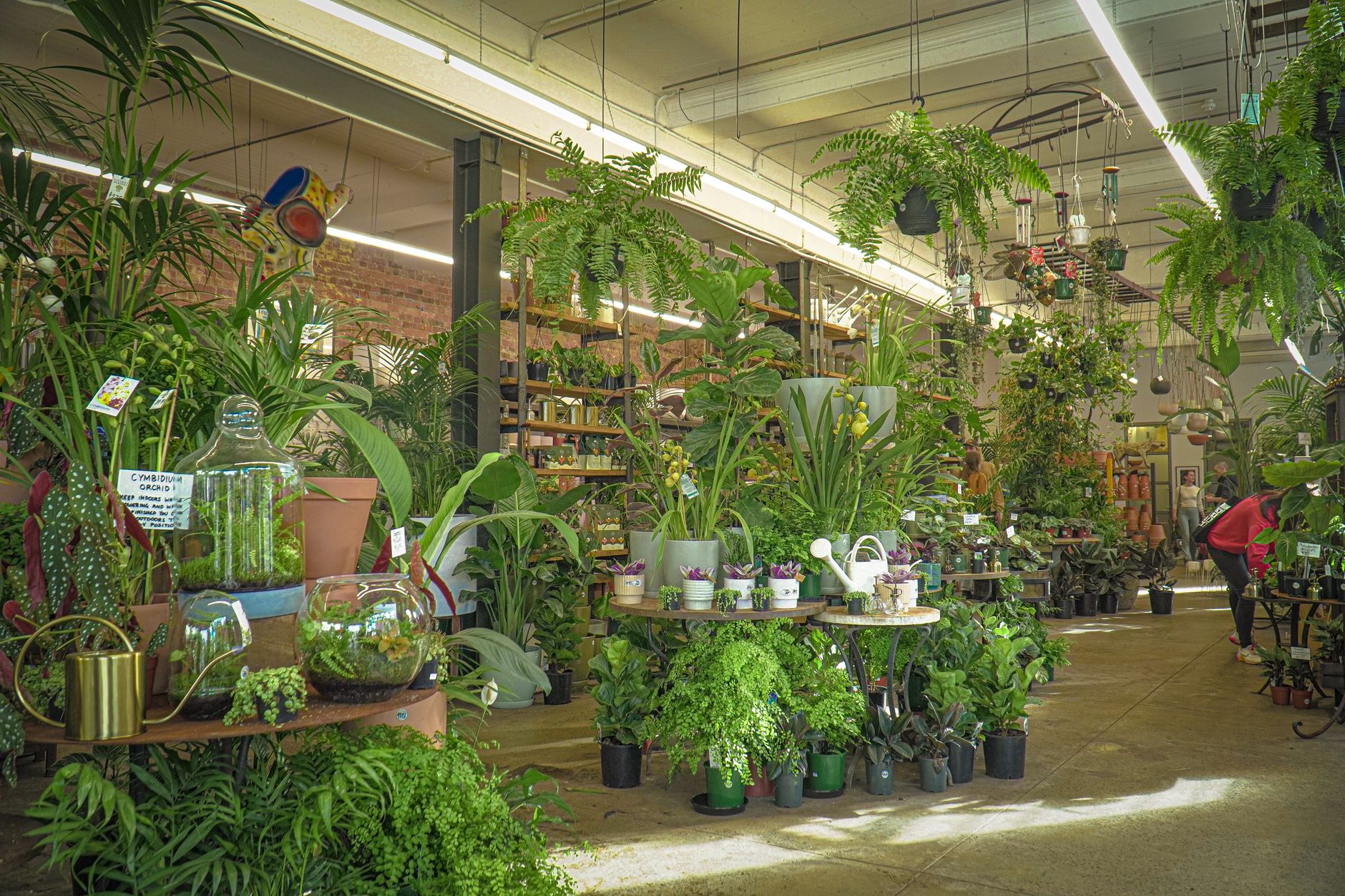
A good local plant shop is the fastest way to diagnose a struggling houseplant or find out what will actually survive a specific room, since staff see the same light and heat conditions in their own region every winter. The directory lists plant shops and houseplant specialists in cities across the country, including:
Winter is also when a lot of people buy their first houseplants, often as gifts or to brighten a dark season. If you're shopping rather than troubleshooting an existing plant, ask the shop directly which of their current stock tolerates the specific room you have in mind — a shop that grows or curates its own inventory, like the ones linked above, generally knows which plants are forgiving of low winter light and dry indoor heat versus which ones need near-greenhouse conditions to survive the season.
Avoid buying plants that have been sitting directly in a cold entryway or near a drafty door; even a short exposure to near-freezing temperatures during transport or display can damage tropical foliage in ways that don't show up for a week or two.
The Takeaway
Winter houseplant problems are overwhelmingly watering and light problems, not pest or disease problems — cut back on water as growth slows, move light-hungry plants to the brightest window you have, and raise humidity around anything with thin or papery leaves. When a plant still looks wrong after those adjustments, a local plant shop that handles the same species in the same climate is worth more than another hour of searching online, and a short visit now can save a plant that would otherwise be gone by spring.