
10 Oct 2026 · 8 min read
How to Protect Your Garden Before the First Frost in 2026
A practical checklist for protecting plants, pipes and garden beds before the first hard frost hits this fall.
frost protection fall garden care garden centers11 October 2026 · 7 min read
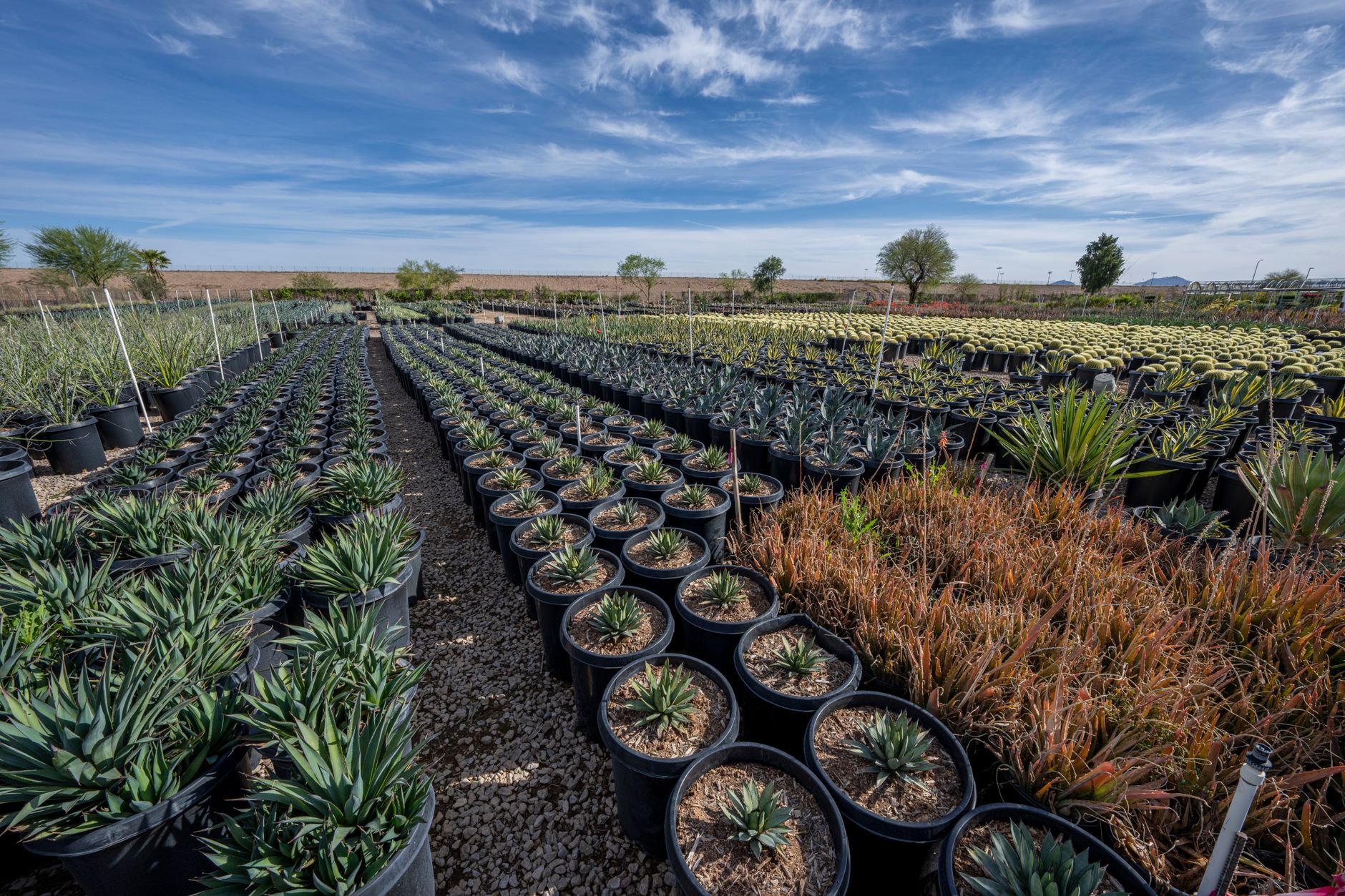
Fall planting season sends a lot of gardeners through two very different kinds of front doors: the garden center at the edge of a home-improvement store parking lot, and the family-run nursery a few miles further down the road. Both sell plants. Both can get you through a weekend planting project. But they are not the same kind of business, and knowing the difference can save a trip, a return visit, or a plant that never should have come home with you in the first place.
This isn't a ranking of who's "better." It's a look at what actually changes between an independent garden center or nursery and a big-box garden department — in selection, staffing, hours, and the kind of help you'll get when you have a question nobody can Google their way to.
An independent garden center or nursery is typically a single business, or a small regional family of locations, that buys and grows its own stock and sets its own hours, layout, and specialties. A big-box garden department is a section inside a larger general retailer — hardware, home improvement, or discount — stocked on a schedule set by a corporate buying program for a whole region or the whole country.
That structural difference drives almost everything else. {{biz:walter-andersen-nursery-san-diego}} in San Diego and {{biz:green-thumb-nursery-lake-forest}} in Lake Forest, California, are both independent nurseries that have built their own reputations over years in their communities, each currently showing ratings in the high 4s across hundreds of Google reviews on their directory listings. {{biz:garden-center-at-the-home-depot-frisco}} in Frisco, Texas, and {{biz:garden-center-at-lowes-sarasota}} in Sarasota, Florida, are both garden sections inside national home-improvement chains — convenient, usually open long hours, and stocked with a more generalized seasonal plant and hardgoods selection.
Neither structure is inherently wrong for a given task. The question is which one matches what you're trying to do this week.
Independent nurseries tend to carry a deeper, more locally tuned selection because buying decisions are made by people who are watching what thrives in that specific climate and soil. {{biz:fanicks-garden-center-san-antonio}} in San Antonio and {{biz:buchanans-native-plants-houston}} in Houston are both listed as garden centers on the directory with a strong concentration of Texas-adapted and native stock — exactly the kind of inventory a corporate buying program covering dozens of stores across a region can struggle to match store by store.
Big-box garden departments, by contrast, usually carry a narrower band of widely popular annuals, perennials, shrubs, and trees chosen to sell reliably across a large footprint. That can mean lower overhead and more consistent availability of common items, but less depth once you're looking for anything unusual — a specific native shrub, an uncommon cultivar, or a plant suited to a tricky microclimate in your own yard.
Plant condition is the other piece of "quality." At an independent nursery, stock is often turned over faster and handled by staff whose job is specifically plants, which can mean less time sitting in a parking-lot display rack between watering. That's a general pattern, not a guarantee — ask about delivery schedules and watering routines at whichever location you're visiting rather than assuming.
This is where the gap is usually most noticeable. Staff at an independent nursery are frequently gardeners first, hired in part because they already know plants, and many have worked at the same location for years. That's the kind of institutional knowledge that can tell you a specific tree doesn't do well in a particular neighborhood's soil, or that a certain pest has been showing up locally this season.
Big-box garden departments are staffed like the rest of the store, which means associates rotate between departments and may or may not have deep horticultural training. Some do — plenty of people working a big-box garden section genuinely know plants — but it isn't built into the job the way it often is at a dedicated nursery. If you need diagnostic help with a struggling plant or a real planting plan rather than a quick purchase, a nursery visit is more likely to get you a specific, locally informed answer.
Price comparisons vary enough by item, region, and season that it's not useful to generalize — check current rates at both before deciding, since the same plant can be priced very differently store to store even within the same chain. What's more consistent is convenience. Big-box stores like the Home Depot and Lowe's locations above typically keep longer daily hours and are open seven days a week, often later into the evening than a standalone nursery. If you're planting on a weeknight after work, that schedule difference can matter more than selection.
Parking and one-stop shopping are other big-box advantages: you can grab mulch, a hose, and a bag of fertilizer in the same trip as the lumber or paint you came in for. Independent nurseries more often specialize, so a stop there for plants may still mean a second stop for hardware.
| Independent Nursery/Garden Center | Big-Box Garden Department | |
|---|---|---|
| Plant selection | Deeper, locally curated, more native/specialty stock | Narrower, high-volume, broadly popular varieties |
| Staff expertise | Often dedicated horticultural staff | Rotates with general retail staff |
| Hours | Often shorter, sometimes seasonal | Typically long hours, open daily |
| One-stop shopping | Usually plants and garden goods only | Plants plus hardware, tools, building materials |
| Best for | Specialty plants, native species, detailed advice | Convenience, common plants, combined errands |
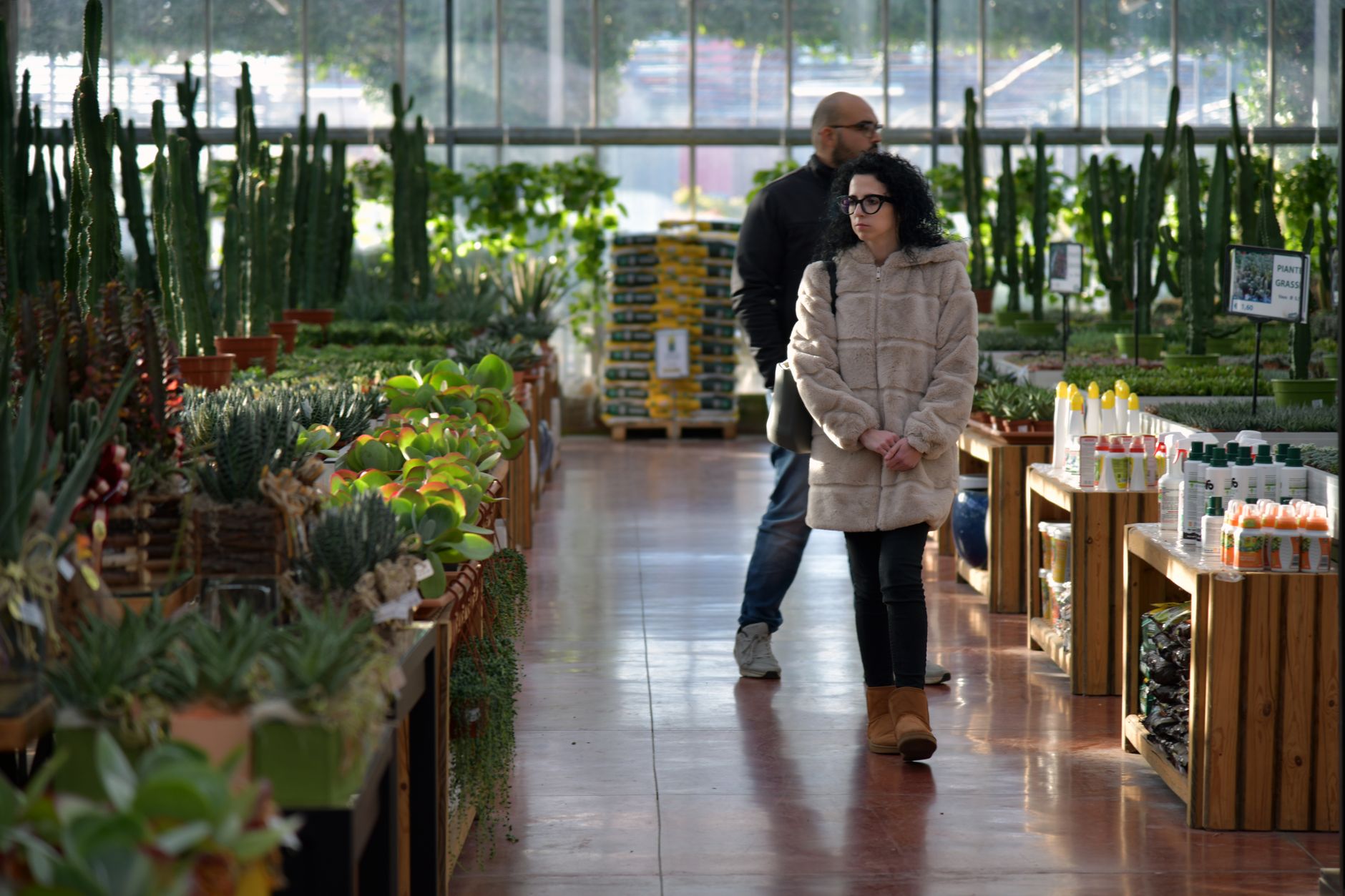
If a project calls for native plants, specific soil amendments, or anything outside the mainstream nursery trade, independents again tend to have the edge because they can hold inventory a large chain wouldn't bother stocking everywhere. {{biz:buchanans-native-plants-houston}} is a direct example — a garden center built specifically around native plant selection for its region, which is a niche a big-box buying program isn't set up to serve well.
This matters beyond aesthetics. Native and regionally adapted plants generally need less supplemental water and are more likely to support local pollinators and wildlife once established, which is part of why more gardeners are asking for them by name. A specialty nursery staffed by people who track that inventory is simply better positioned to help with that kind of request than a general garden department restocked from a regional distribution center.
Independent operations extend further up the supply chain than most shoppers realize. {{biz:taylors-nursery-inc-raleigh}} in Raleigh, North Carolina, is listed on the directory as a wholesale nursery — the kind of operation that supplies plant material to landscapers, municipalities, and retail garden centers rather than selling primarily to walk-in customers. If you're working with a landscaper on a larger project, some or all of the plant material may be coming from a wholesale grower like this rather than off a retail shelf at all, independent or big-box.
For homeowners tackling a bigger yard project — new beds, a run of shrubs along a fence line, or a tree order — it's worth asking your landscaper or garden center where their stock is actually sourced. That can affect both the size of plants available and how far in advance you need to order.
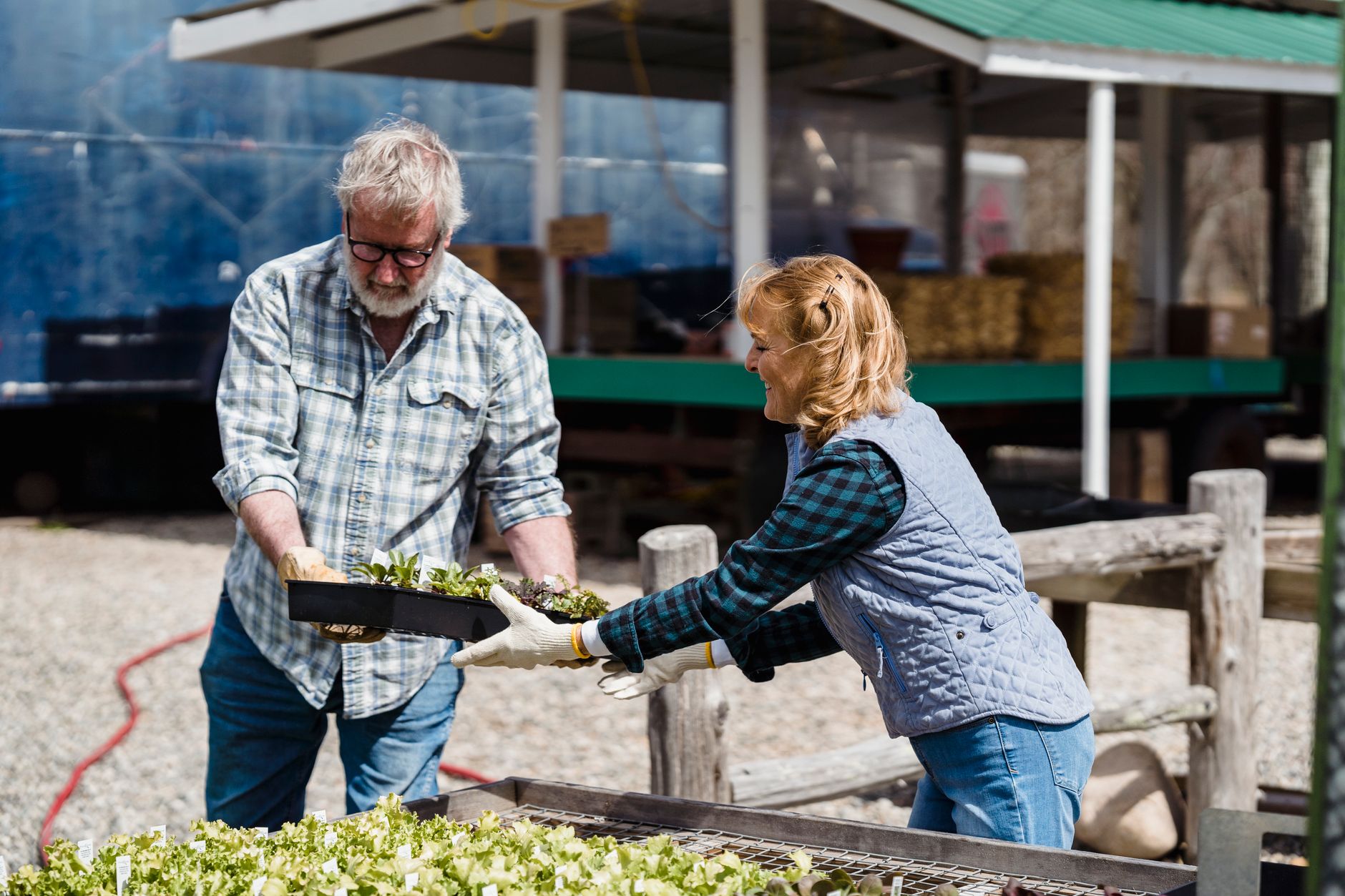
A reasonable approach for most gardeners is to use both, deliberately. Save the big-box trip for common annuals, bagged soil and mulch, basic tools, and anything you need on a tight schedule outside normal nursery hours. Save the independent nursery trip for anything where plant health, selection depth, or real advice matters more than convenience — a new tree, a native planting bed, anything going into a spot in the yard where a mistake is expensive to fix later.
It's also worth checking a business's current hours and stock before making a special trip, since both independent nurseries and big-box garden departments adjust seasonal inventory and hours as the calendar shifts into fall and winter. A quick call or a look at a business's listing can save a drive for nothing.
Both categories exist side by side across the directory. Browse garden centers in San Antonio, Texas, plant nurseries in San Diego, California, or wholesale nurseries in Raleigh, North Carolina to see what's local to those areas, or look up any city page to find what's available near you.
Independent nurseries generally win on plant selection, specialty and native stock, and hands-on expertise; big-box garden departments generally win on hours, convenience, and one-stop shopping for hardgoods. Neither replaces the other completely. The most efficient approach is to match the trip to the task — quick and common goes to whichever is open and closest, and anything that needs real plant knowledge or an unusual species is worth the extra drive to an independent nursery or garden center that specializes in it. Check both once before you need either in a hurry, so the choice is already made before a plant emergency makes it for you.
10 Oct 2026 · 8 min read
A practical checklist for protecting plants, pipes and garden beds before the first hard frost hits this fall.
frost protection fall garden care garden centers
09 Oct 2026 · 8 min read
What actually drives a landscaping quote in 2026 — materials, labor, hardscaping and irrigation — and how to get quotes you can fairly compare.
landscaping costs hardscaping lawn care
08 Oct 2026 · 8 min read
What to plant in October depends on your climate zone — here is what warm, transitional, and cold-zone gardeners should be doing this month.
fall planting hardiness zones trees and shrubs