


07 Oct 2026 · 8 min read
Garden Shopping in Orlando, Florida for Fall 2026
Where to shop for plants, mulch, feed and irrigation around Orlando this fall, with a guide to which business type fits which project.
Orlando Florida fall planting08 October 2026 · 8 min read
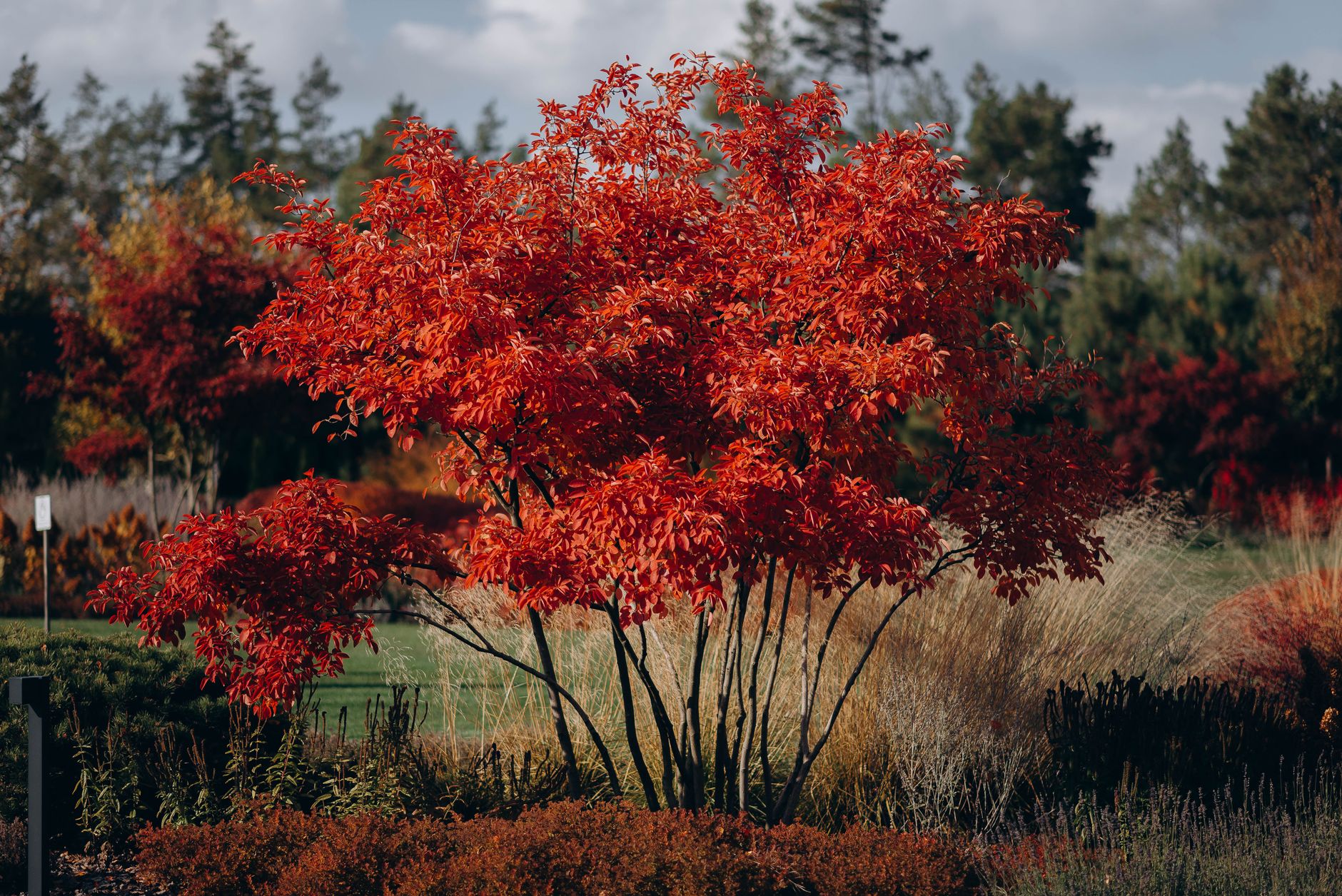
Every fall, the same question shows up at garden centers across the country: what can I still plant? The honest answer is that it depends entirely on where you garden. The United States spans USDA hardiness zones from the mid-single digits in the mountain states to zone 10 and above along the Gulf Coast and in Southern California, and October looks completely different in each one. In zone 9-10 climates, October is close to a second spring — cooler nights finally make outdoor work pleasant again, and the soil is still warm enough for strong root growth. In zone 5-7 climates, October is a closing window: there's still time for bulbs, garlic, and a last round of trees and shrubs, but frost is close enough that tender annuals and vegetables are done for the year.
Rather than give one generic planting list, it helps to work zone by zone, using real climates represented in this directory: Southern and Northern California, the Texas Gulf Coast and Hill Country corridor, Central Florida, and upstate New York. Local garden centers and nurseries in each of these regions are already stocking what their climate calls for this month, which is one of the most reliable signs of what actually belongs in the ground right now.
In Southern California (zone 9-10) and Florida's zone 9-10 pockets, October planting is wide open. Soil temperatures are still warm, the punishing summer heat has broken, and winter frost is either mild or absent. This is prime time for citrus, natives, Mediterranean herbs, cool-season vegetables like broccoli, lettuce, and spinach, and most container trees and shrubs, since roots can establish for months before next summer's heat arrives.
Garden Centers · Poway, California
Garden Centers · Sacramento, California
Sacramento's Central Valley climate (zone 9) still gets occasional light frost in winter, so it sits a notch cooler than coastal San Diego, but October remains an excellent planting month for trees, shrubs, and cool-season vegetables in both areas. Gardeners can browse garden centers in Poway, California and garden centers in Sacramento, California for current stock and hours.
In Central Florida, October marks the start of the cooler, drier planting season after hurricane season's peak. It's a good time for herbs, winter vegetables, and many ornamentals, though true tropicals still prefer spring.
Garden Centers · Rockledge, Florida
Garden Centers · Seffner, Florida
Both of these Florida garden centers are rated above 4.7 stars from well over 800 reviews each, which reflects steady local traffic through the fall shopping season. See the garden centers in Rockledge, Florida and garden centers in Seffner, Florida listings for current inventory.
Texas spans several hardiness zones, but much of the Houston-to-Dallas corridor sits in zone 8-9, where summer heat is the real obstacle to planting, not winter cold. That makes October one of the two best planting windows of the year (the other is late winter), since the soil is still warm, rain tends to pick up, and plants get months of mild weather to root in before next summer.
Plant Nurseries · Houston, Texas
Plant Nurseries · Spring, Texas
Both nurseries carry trees and larger landscape plants, which is exactly what fall planting in Texas favors: large stock planted now has a full fall, winter, and spring to establish before facing a Texas summer. Check current stock at the plant nurseries in Houston, Texas and plant nurseries in Spring, Texas pages, and browse the wider Texas directory for more options statewide.
Upstate New York falls mostly in zones 5-6, where the first hard frost typically arrives in October. That doesn't mean the planting season is over — it means the task list narrows. Garlic goes in now for a summer harvest. Spring-flowering bulbs like tulips and daffodils need several weeks of cold soil before frost to root properly. Trees and shrubs can still go in the ground as long as there's a few weeks before the ground freezes solid, since the goal is root establishment, not top growth.
Garden Centers · East Amherst, New York
Garden Centers · Poughkeepsie, New York
What's no longer worth planting in a zone 5-6 fall: tender annuals, warm-season vegetables, and anything that needs a full growing season to establish before winter. Local centers like these two — both rated above 4.7 stars — are a reliable source for what's actually appropriate this late in the season, since their fall stock reflects the regional climate rather than a generic national calendar. See garden centers in East Amherst, New York and garden centers in Poughkeepsie, New York for details.
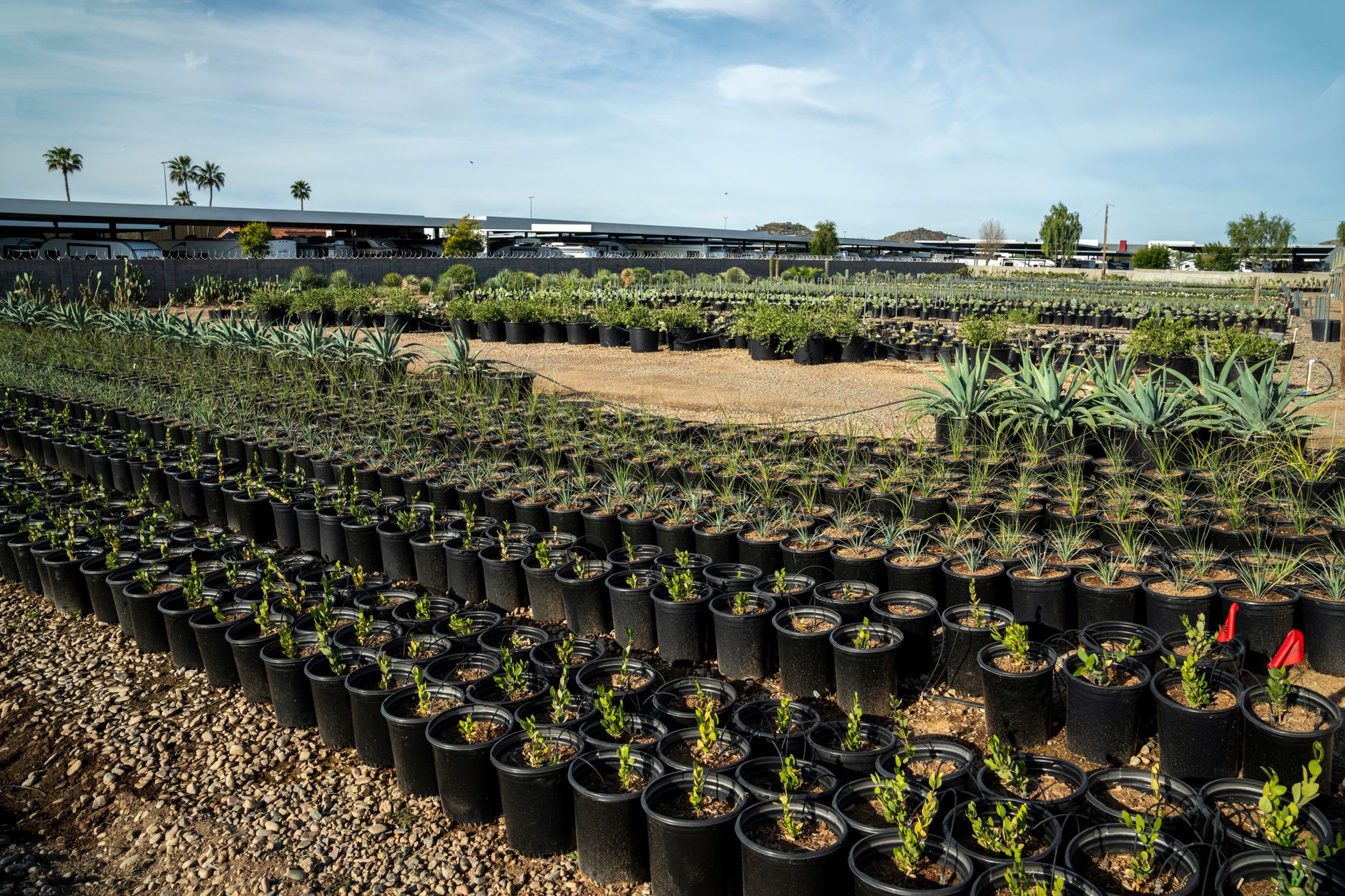
Across almost every zone covered above, fall is the better time to plant trees and shrubs, not an afterthought to spring. The logic is the same everywhere: soil is still warm enough to encourage root growth, air temperatures are cooler so the plant loses less water through its leaves, and most regions get more reliable rainfall in fall than in the heat of summer. A tree or shrub planted in October has months to establish roots before it has to cope with next year's first heat wave, which is usually the hardest test a newly planted tree faces.
The exception is the coldest climates, where planting needs to stop early enough that roots have a few weeks to settle before the ground freezes. In zone 5-6 areas like upstate New York, that generally means wrapping up tree and shrub planting by mid-to-late October; in zone 8-10 areas like Texas, Florida, and California, the window stays open much longer.
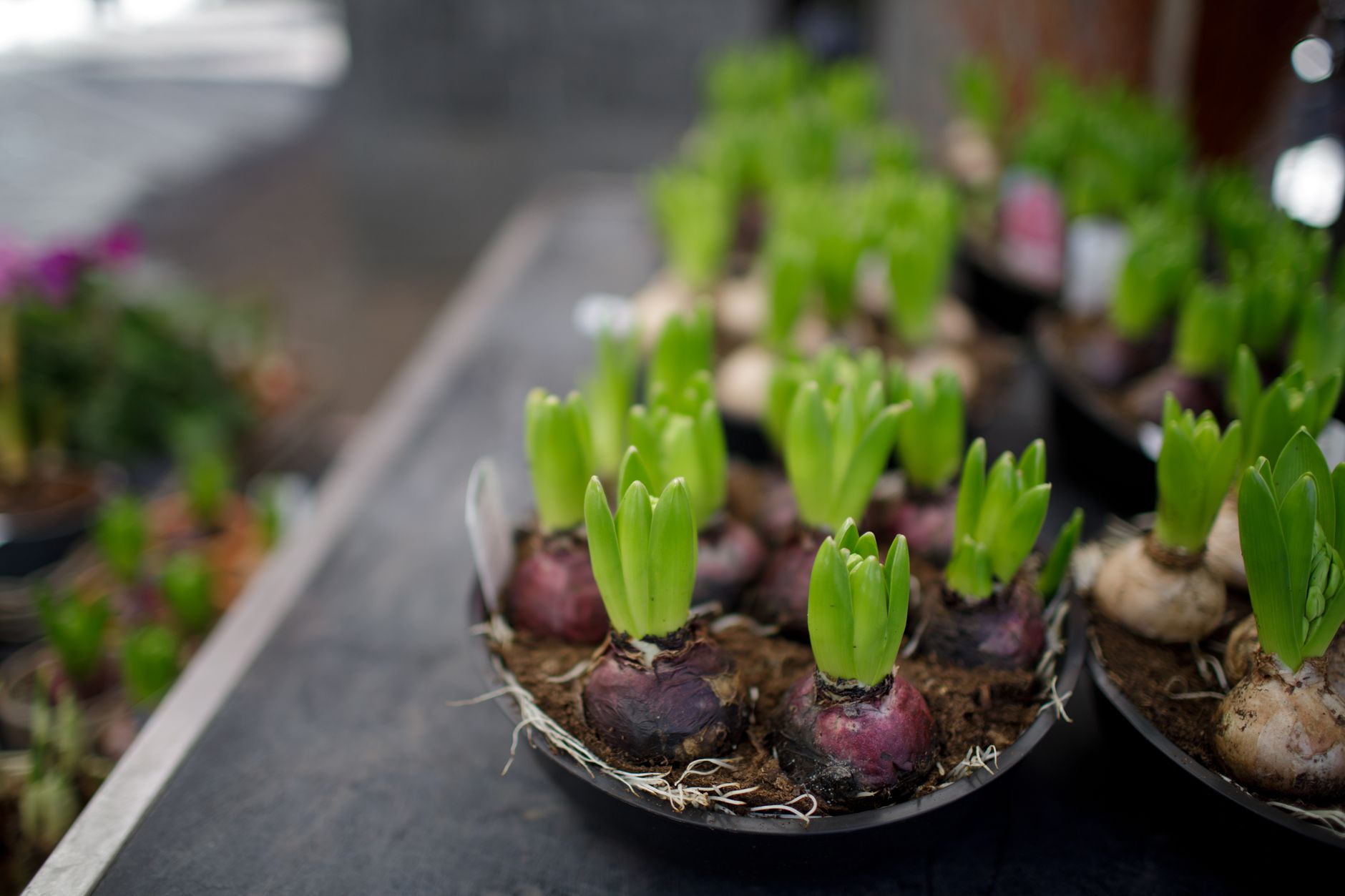
Spring-flowering bulbs are one of the few plantings that are actually easier to get right than wrong, because the rule is simple almost everywhere: they need a period of cold soil to bloom properly the following spring. In zones 5-7, that means planting bulbs in October so they have enough cold weeks ahead of them. In zone 8-9 areas like much of Texas, bulb planting can run later into fall and even into early winter. In zone 9-10 areas like Southern California and most of Florida, many classic spring bulbs (tulips, hyacinths, most daffodils) don't get cold enough naturally and need to be pre-chilled in a refrigerator for six to eight weeks before planting — a detail worth asking about at a local garden center before buying a bag of bulbs.
Garlic follows a similar logic to bulbs: it's typically planted in fall for a summer harvest, and it benefits from a period of cool soil to develop properly, which is one reason October is the traditional planting month for garlic across most of the country.
Not everything belongs on an October planting list. Warm-season vegetables like tomatoes, peppers, and squash are finished for the year everywhere except the warmest zones, where a very short second round is sometimes possible if planted early in the month. Tender tropicals and most houseplant-style foliage plants are better held until spring almost everywhere, since they won't tolerate the cold nights ahead even in mild climates. And in the coldest zones, it's too late in October to start most vegetables from seed outdoors — transplants of quick-maturing greens are a better bet if there's still a short window before frost.
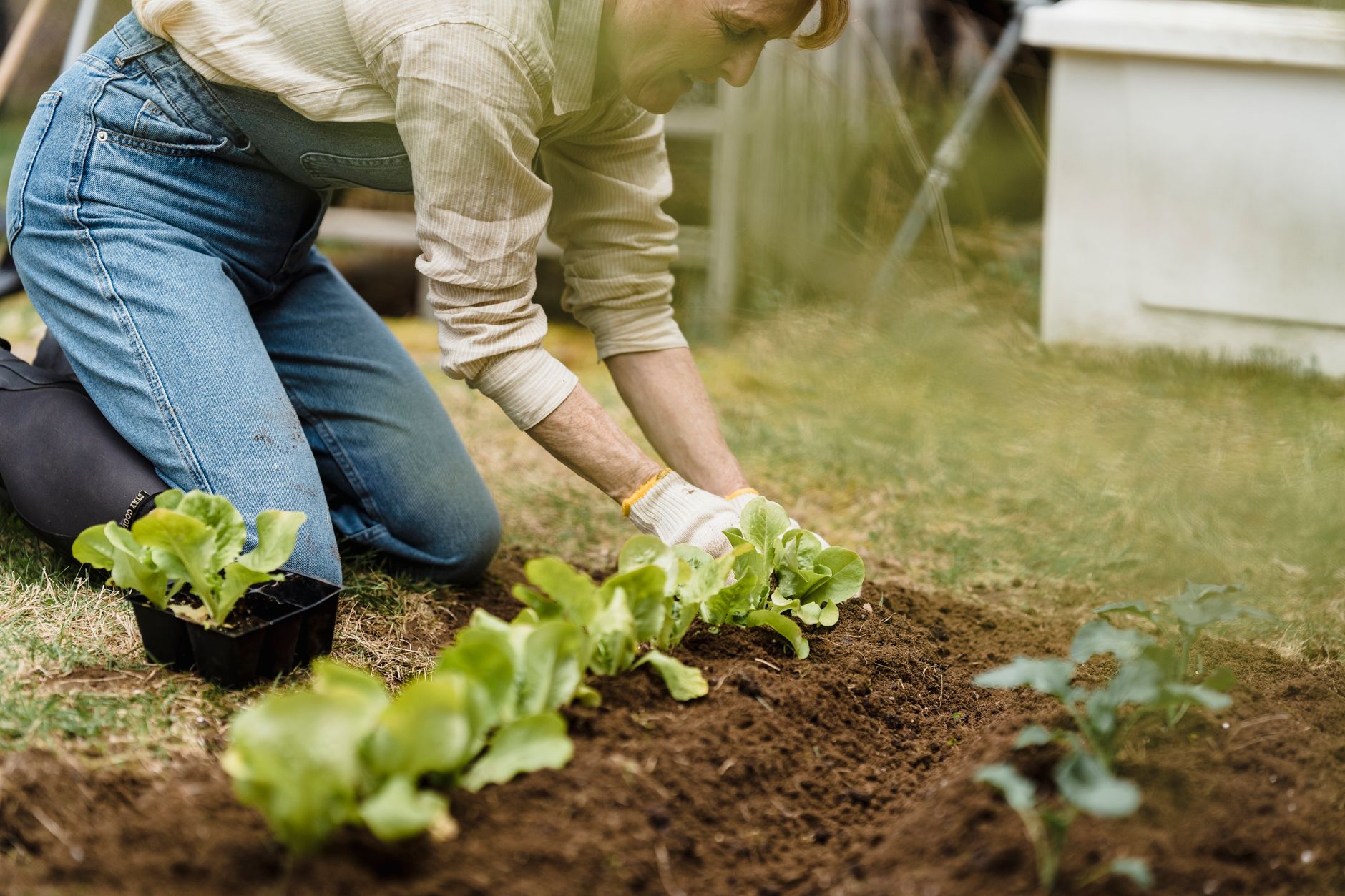
Whatever gets planted in October, the aftercare matters more than the planting itself. New roots need consistent moisture to establish, even in climates where rainfall picks up in fall — a newly planted tree or shrub can still dry out between rains if it isn't checked regularly for the first several weeks. A layer of mulch, kept a few inches back from trunks and stems, helps hold that moisture in and moderates soil temperature swings as the weather cools.
In cold zones, mulch has a second job after the first hard frost: insulating the soil enough to slow the freeze-thaw cycles that can heave shallow-rooted perennials and bulbs out of the ground over winter. In warm zones, mulch mostly just conserves water and suppresses winter weeds, which tend to be more of a problem in mild climates that never get cold enough to stop weed growth entirely. Either way, it's worth asking at a local garden center what mulch depth and material they recommend for the specific plants going in, since recommendations vary by region and by plant type.
| Region (approx. zone) | Trees & shrubs | Bulbs | Vegetables | Watch for |
|---|---|---|---|---|
| Southern California (9-10) | Good through fall | Needs pre-chilled bulbs | Cool-season crops now | Little frost risk |
| Central Florida (9-10) | Good through fall | Needs pre-chilled bulbs | Cool-season crops now | Post-hurricane season timing |
| Texas Gulf/Central (8-9) | Prime planting month | Can plant through fall | Cool-season crops now | Occasional early cold fronts |
| Upstate New York (5-6) | Finish by mid-to-late October | Plant now for spring bloom | Season is ending | First hard frost |
This is a general guide, not a substitute for a local forecast — always check current conditions and ask staff at a nearby garden center, since microclimates (coastal vs. inland, urban vs. rural) can shift the safe planting window by several weeks even within the same state.
Garden centers and nurseries typically restock for the season a few weeks ahead, so early-to-mid October is a good time to see what each region's growers consider appropriate for local conditions. Besides the businesses mentioned above, the broader directory listings for California, Texas, Florida, and New York cover garden centers, plant nurseries, and specialty growers across each state for gardeners who want to compare options closer to home.
October planting isn't one list — it's at least three or four different lists depending on climate. Warm zones like Southern California and Florida can keep planting almost everything through the month. Transitional zones like much of Texas are in their best planting window of the year. Cold zones like upstate New York have a short, specific task list — bulbs, garlic, and finishing up trees and shrubs — before frost closes things out. Checking with a local garden center about current stock is usually the fastest way to confirm what's right for a specific yard this week, since their shelves reflect the actual regional climate rather than a one-size-fits-all national calendar.
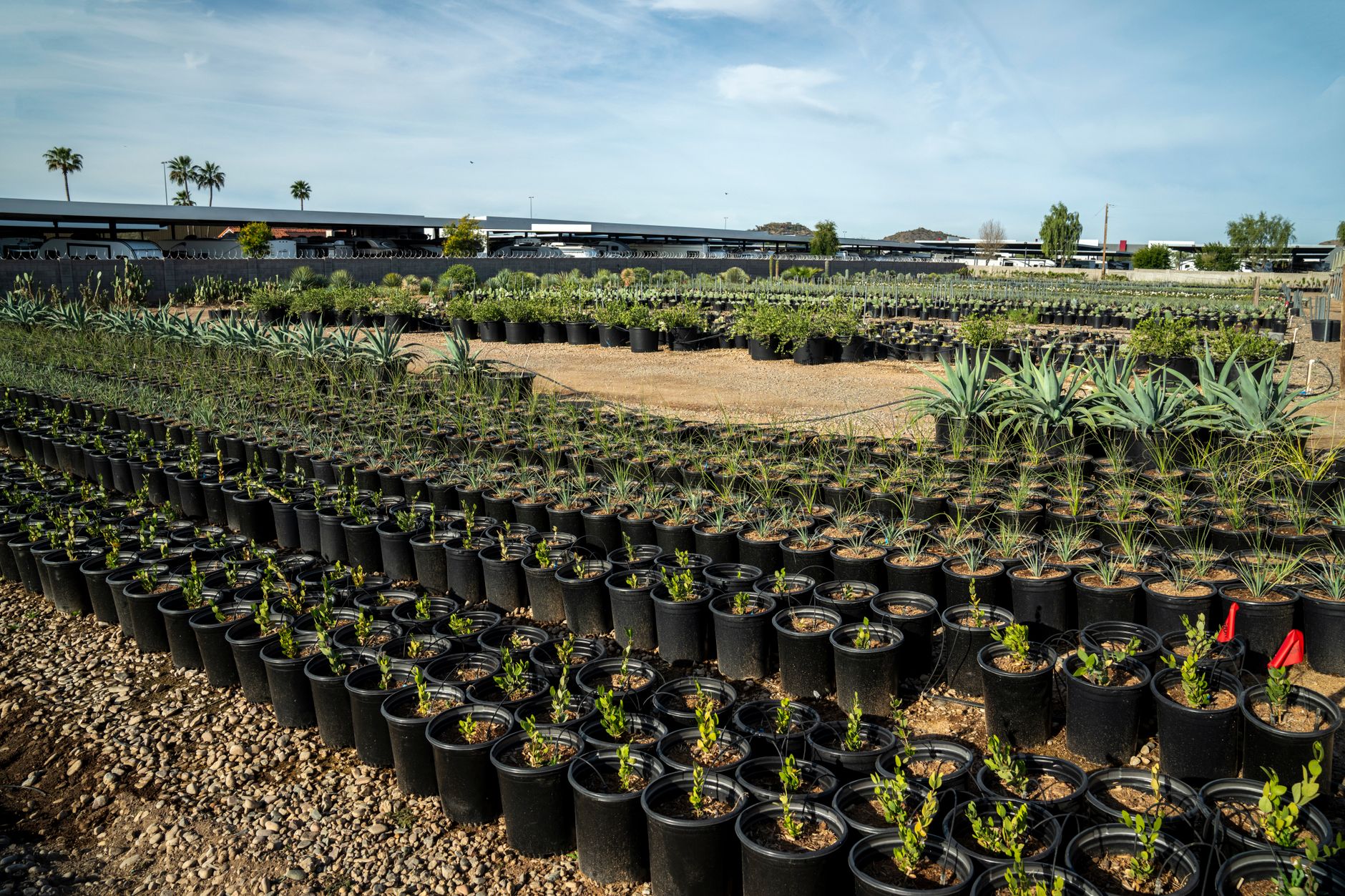
07 Oct 2026 · 8 min read
Where to shop for plants, mulch, feed and irrigation around Orlando this fall, with a guide to which business type fits which project.
Orlando Florida fall planting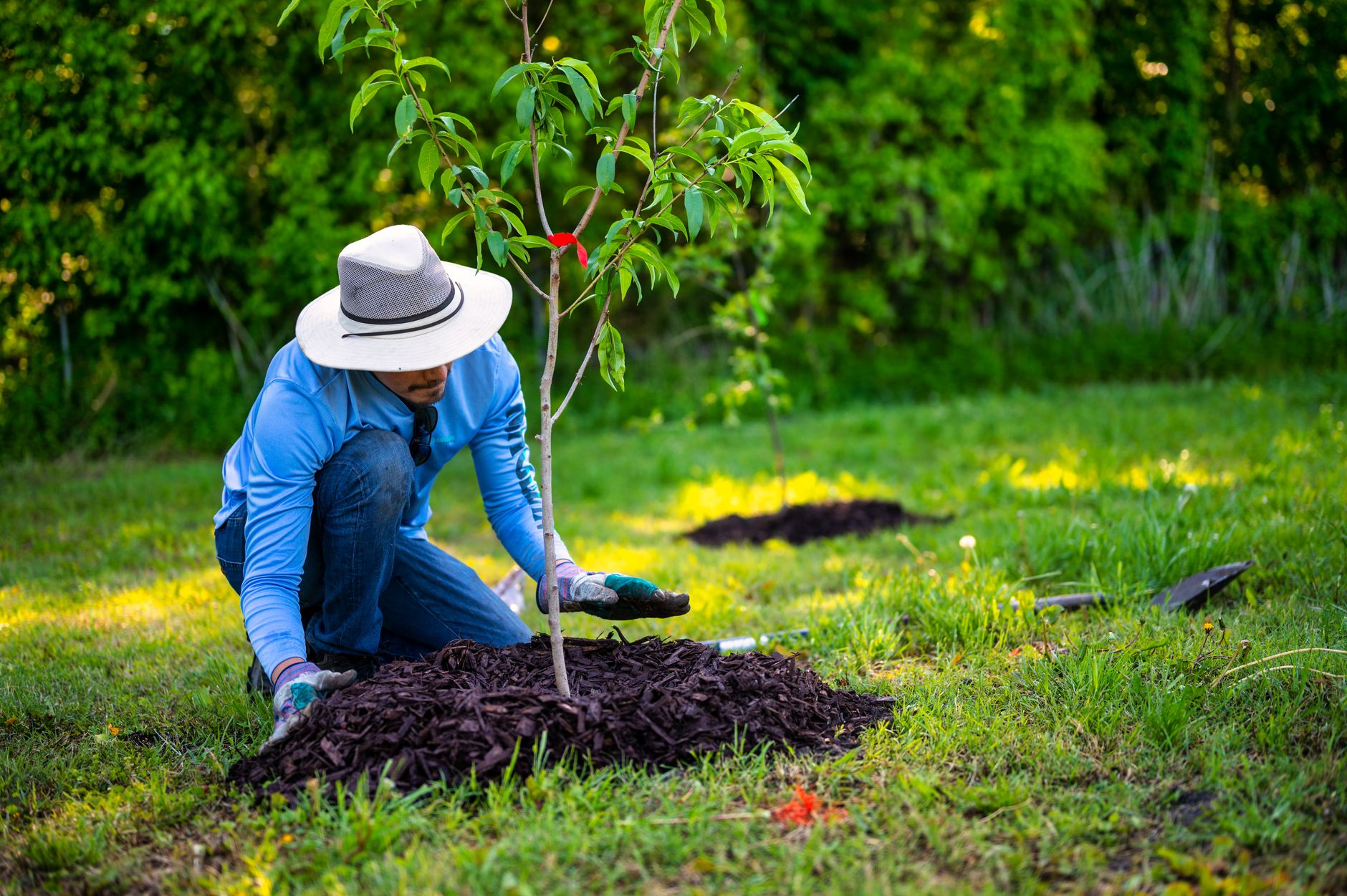
06 Oct 2026 · 9 min read
What a USDA hardiness zone number means, how to look yours up, and how it shapes fall planting from Texas to Florida to California.
hardiness zones fall planting California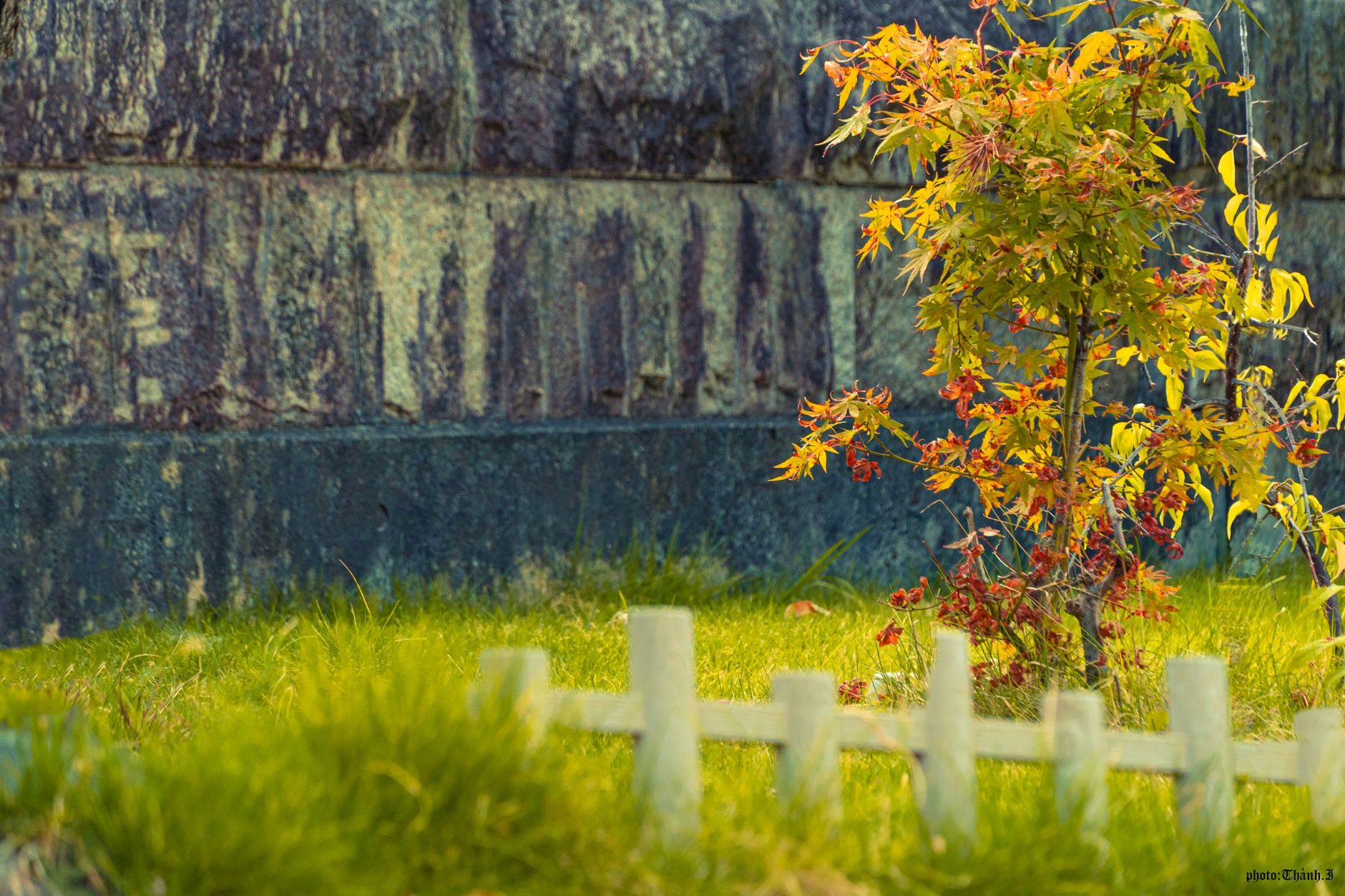
05 Oct 2026 · 9 min read
Learn what to check on roots, trunk, and buds before buying a tree this fall, plus container vs. balled-and-burlap basics.
trees fall planting nursery shopping