


04 Oct 2026 · 7 min read
What Fall Mulch and Landscape Supplies Cost in 2026
A look at bagged vs. bulk mulch, landscape supply pricing and DIY vs. hiring a landscaper for fall yard work in Texas.
mulch landscaping costs Texas05 October 2026 · 9 min read
Fall is one of the best windows for planting trees and shrubs across much of the country: soil is still warm from summer, air temperatures are cooler, and roots get months to establish before next year's heat arrives. But a tree only performs as well as the stock it came from. A tree with a damaged root system, a girdling root, or a weak trunk can look fine on the lot and still struggle — or fail outright — within a few years of planting. Learning to inspect nursery stock before you buy takes a few minutes and can save a decade of waiting for a replacement to catch up.
This guide walks through what to check at the nursery or garden center, how the three common ways trees are sold differ, and where in California's nursery trade you can see this stock in person.
When you plant in spring, a tree has a whole growing season to mask small problems — a stressed root system can still push out leaves even if it's not actually settling in well. In fall, the tree is heading into dormancy, so there's less visible feedback before next spring tells you whether the planting worked. That makes the pre-purchase inspection more important, not less: you want a specimen that's already healthy going into winter, not one you're hoping will recover.
Garden centers typically stock their best tree selection in early fall alongside spring, so timing a visit for the first cool weeks of the season — rather than the tail end of inventory — usually means more selection and fresher stock that hasn't sat in a container through a full summer of heat stress.
Roots are the single most important thing to check, and the easiest to overlook, because they're hidden in the pot or burlap.
For container trees, gently slide the tree partway out of its pot (nursery staff can help with this) and look for:
For balled-and-burlap trees, the root ball should feel solid and heavy for its size, with no cracks or loose soil. A root ball that's dry, crumbling, or noticeably lighter than it should be has likely lost roots in handling.
Bare-root trees, sold mainly in late fall and winter in cooler climates, let you see the entire root system directly. Look for an evenly branched structure with numerous fine feeder roots, not just a few thick ones, and make sure the roots are moist, not dried out, when you buy.
Run your eyes — and a hand — along the trunk from base to the first branches. You're looking for:
A few minor surface scratches aren't a dealbreaker, but any wound that goes through the bark into the wood underneath is worth skipping.
By fall, deciduous trees may already be dropping leaves or showing color, which is normal and not a sign of poor health. What you're checking instead:
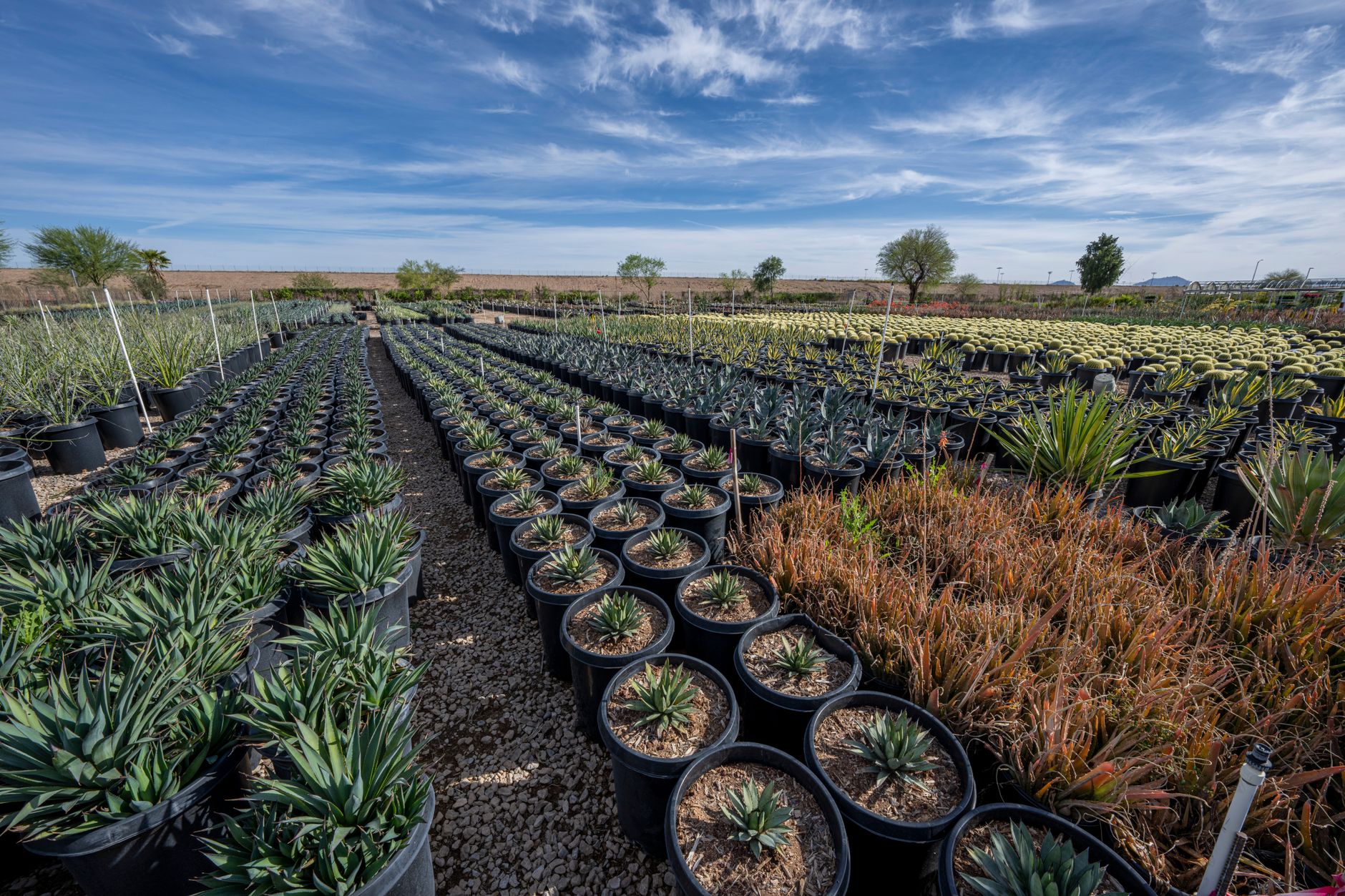
Nurseries sell trees in three main forms, and each has trade-offs worth knowing before you shop.
| Type | When typically available | What to check | Trade-off |
|---|---|---|---|
| Container-grown | Year-round | Circling roots, trunk flare depth | Convenient and forgiving on timing, but can have root issues if left in the pot too long |
| Balled-and-burlap | Fall and spring, larger specimens | Root ball firmness, cracking | Heavier and often pricier to transport, but can give an instant larger size |
| Bare-root | Late fall through winter dormancy, mainly fruit trees and some shade trees | Root branching, moisture | Lightest and usually least expensive, but must be planted quickly and has a shorter buying window |
None of these is universally "better" — the right choice depends on the species, the size you want, and how soon you can get it in the ground after buying.
Even a perfectly healthy tree can be the wrong tree for where it's going. Before you fall in love with a particular specimen on the lot, think through the site it's headed to:
This is where buying from a local, independent nursery or garden center tends to pay off: staff who work with the regional soil and weather day to day can usually steer you away from a species that looks great on the tag but fights the site for years afterward.
A reputable garden center or nursery should be able to answer:
Staff at a dedicated nursery or garden center — as opposed to a seasonal pop-up lot — are usually the most useful source for site-specific advice, since they're working with the same regional soil and climate conditions you are.
A few issues are worth skipping the tree entirely rather than hoping they resolve:
California's nursery and garden center network is large enough that most metro areas have several independent options worth comparing in person rather than buying from the first lot you pass. A few examples from across the state, each listed with its category and city page on this directory:
Garden Centers · Los Angeles, California
Garden Centers · Oakland, California
Plant Nurseries · San Francisco, California
Plant Nurseries · San Jose, California
Plant Nurseries · Stockton, California
Plant Nurseries · Long Beach, California
Plant Nurseries · Pasadena, California
You can browse the full directory listings for garden centers in Los Angeles, garden centers in Oakland, and plant nurseries in San Diego, or see every garden-related business in a given city through pages like Stockton, CA and Pasadena, CA.
A healthy tree can still be set back by a rough trip home or a bad transplant. A few practical notes:
Mulch around the base after planting, but keep it a few inches back from the trunk itself — mulch piled directly against bark holds moisture against it and invites rot and pests, undoing a lot of the careful selection you just did at the nursery.
If you're unsure about placement near a structure, slope, or utility line, a local tree service or arborist can advise before you dig, which is far easier to act on than after a tree is already in the ground. For larger properties with several trees going in, it's also worth asking a landscaper to lay out spacing and sun exposure for the whole planting at once, rather than deciding tree by tree.
The healthiest-looking tree on the lot isn't always the healthiest tree — the roots, trunk, and buds tell you more than the canopy alone. Spend the few extra minutes checking root structure and trunk condition before you buy, ask the nursery staff direct questions about the specific tree in front of you, and match the buying format — container, balled-and-burlap, or bare-root — to how soon you can actually get it planted. A little scrutiny at the nursery in fall is the cheapest insurance you'll find for a tree that's meant to be in the ground for decades.
04 Oct 2026 · 7 min read
A look at bagged vs. bulk mulch, landscape supply pricing and DIY vs. hiring a landscaper for fall yard work in Texas.
mulch landscaping costs Texas
03 Oct 2026 · 8 min read
A fall planting guide to Sacramento garden centers, native-plant and specialty nurseries, and the supply yard for soil, mulch and irrigation.
Sacramento California fall planting