What Fall Mulch and Landscape Supplies Cost in 2026
04 October 2026 · 7 min read
Fall is when Texas lawns and garden beds get the most attention of the year. Summer heat has stressed the turf, leaves are starting to come down, and the mild weeks ahead are the best window for planting, mulching and bed prep before winter. For homeowners pricing out the work, though, it is not always clear what separates a bag of mulch from a bulk delivery, or when a landscaper's quote is worth it over a weekend of DIY. This guide walks through what actually drives the cost of fall mulch, soil and landscaping work in Texas, using the supply yards, garden centers and landscapers already listed in this directory.
Why Fall Is Prime Time for Mulch and Lawn Care
Texas falls are short on extremes: daytime temperatures ease into the 70s and 80s across most of the state, and rainfall picks up compared to the dry summer stretch. That combination makes October and November good weeks to lay fresh mulch, since the soil underneath still holds moisture and the mulch has time to settle before the first cold snap. It is also when many Texas landscape supply yards restock bulk hardwood and cedar mulch ahead of spring, so inventory and selection both tend to be good.
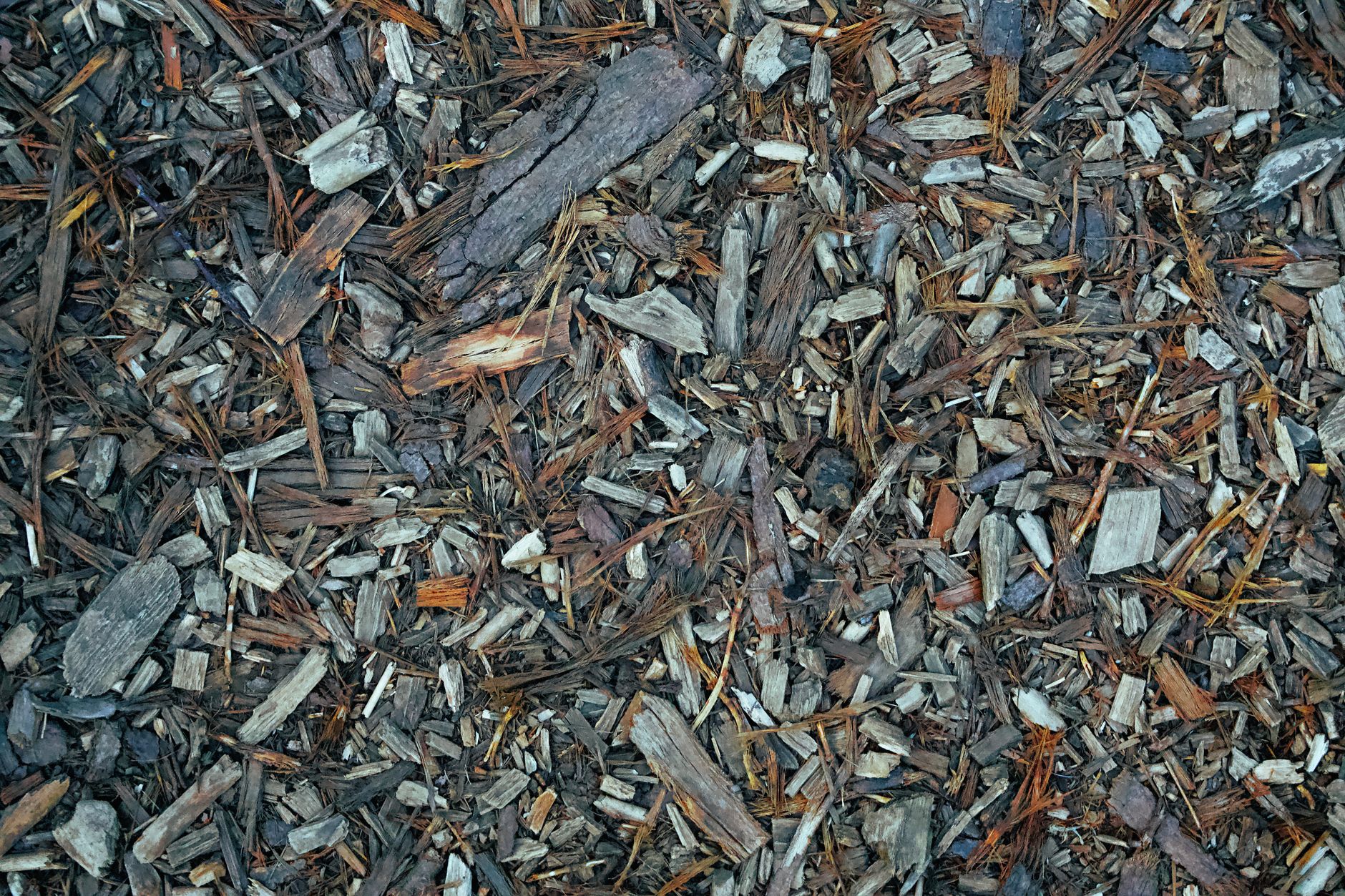
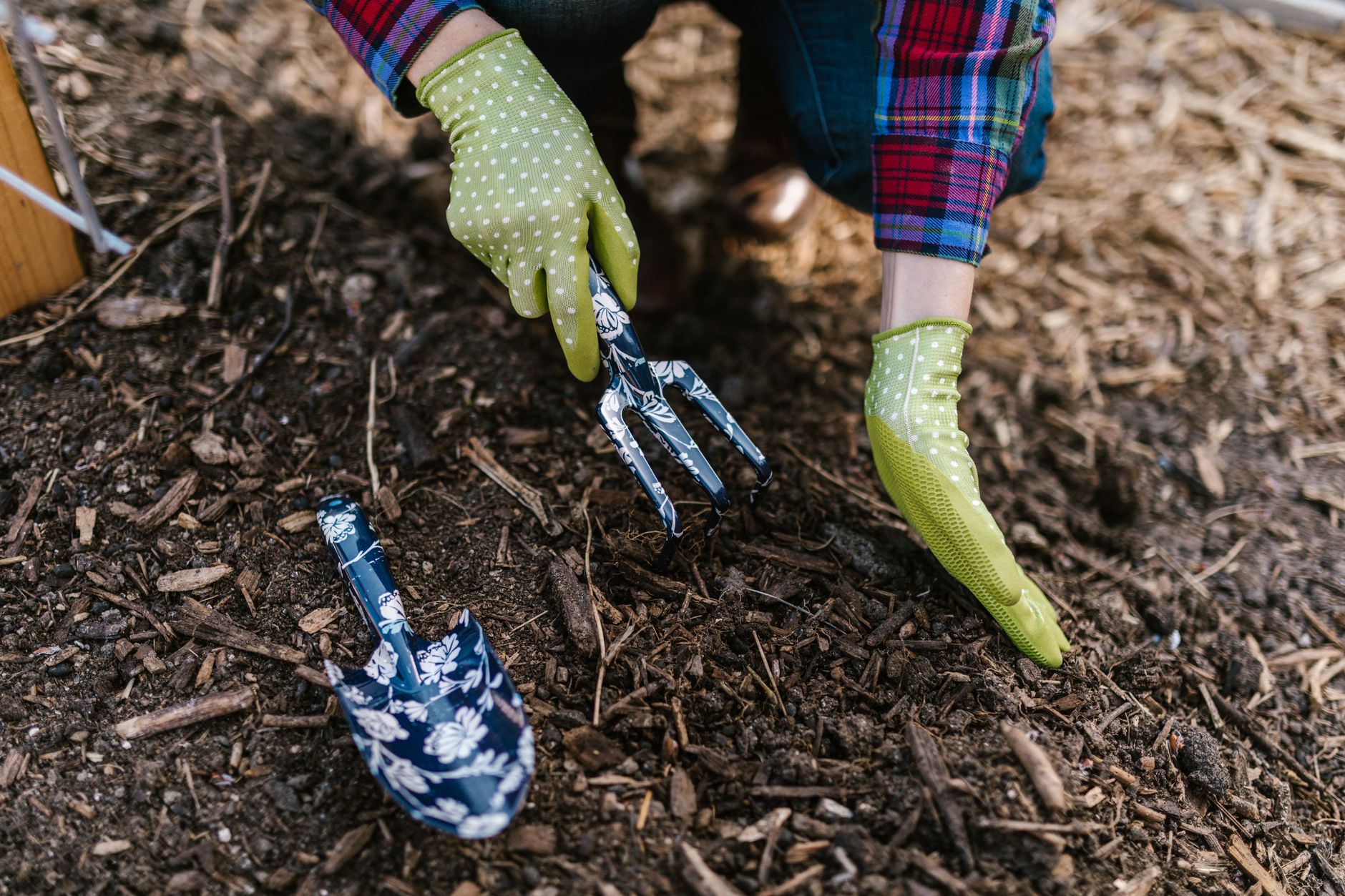
Fall mulching does two things at once. It insulates root zones heading into winter, and it suppresses the cool-season weeds that germinate once the heat breaks. For lawns, fall is also the point to deal with thin or bare patches, since Texas's common turf types -- warm-season grasses like Bermuda and St. Augustine, and the cooler-tolerant fescue blends used in parts of North Texas -- both benefit from fall overseeding or patch repair rather than waiting for spring stress to show.
None of this requires guessing. A landscape supply yard or garden center can tell you, on the day, what a given mulch or soil product costs and how far a yard of it goes -- figures that change by location and season, so check current rates directly rather than relying on a number from months back.
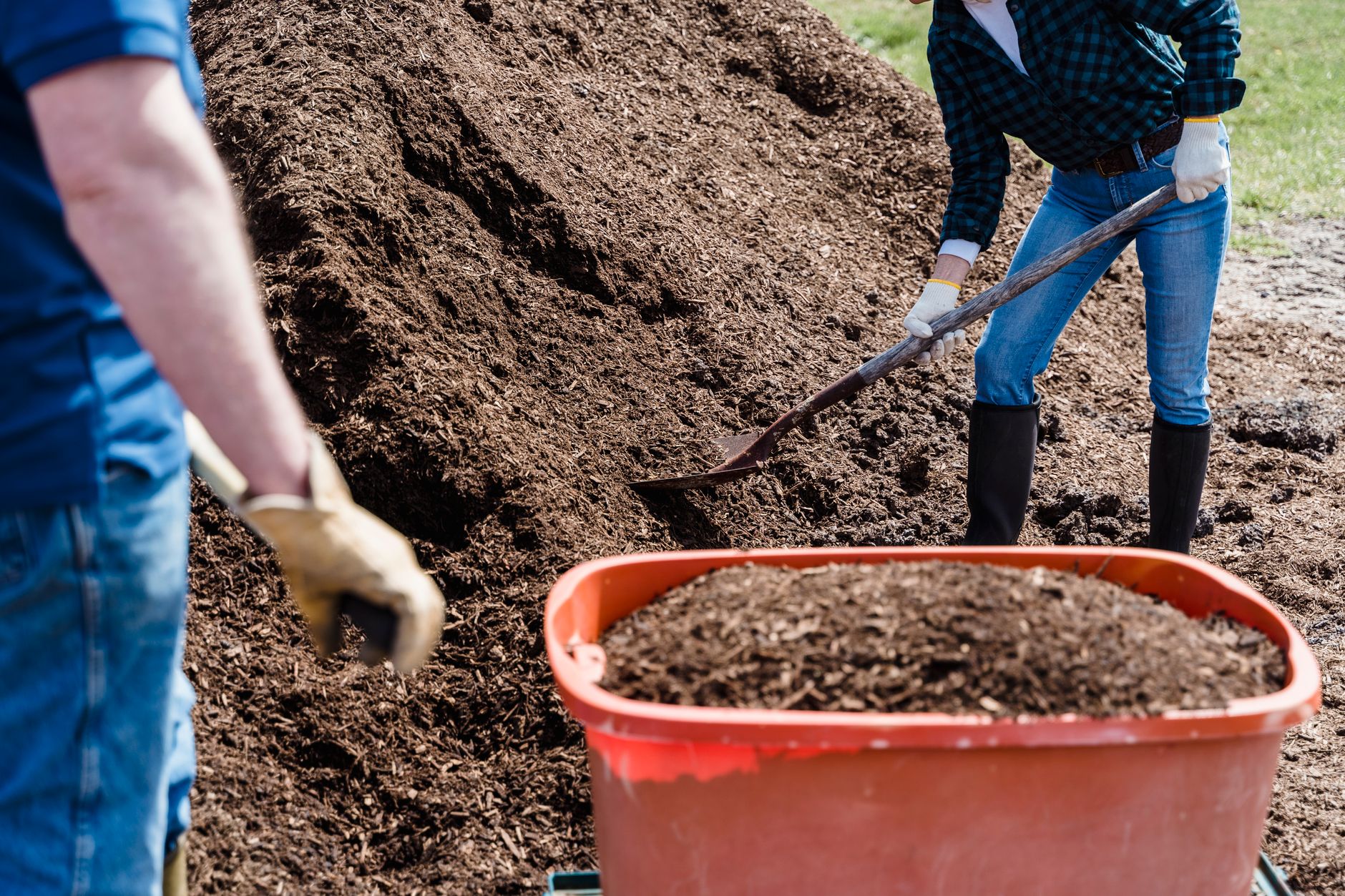
The first real decision for most homeowners is bagged mulch from a retail aisle versus bulk mulch by the cubic yard from a supply yard. Both get organic material onto a bed; the differences are in volume, handling and what you are actually buying.
Bagged mulch
Bulk mulch
Typical unit
2 cubic foot bags
Cubic yard (27 cubic feet)
Best for
Small beds, borders, container areas
Whole-yard projects, large beds
Delivery
You carry it yourself
Many yards deliver or load your truck or trailer
Consistency
Uniform bag to bag
Varies by batch -- ask to see or smell a sample
Where to buy
Garden centers, hardware stores
Landscape supply yards, some garden centers
Price
Check current rates per bag
Check current rates per yard
Bagged mulch wins on convenience for small jobs -- there is no minimum, and you only buy what the bed needs. Bulk mulch tends to win on cost-per-square-foot once a project gets past a few hundred square feet, because you are not paying for packaging, and many yards will load a truck bed or deliver for a flat fee on larger orders. The tradeoff is that bulk product is sold loose, so ask the yard how it is sourced and whether it is aged -- fresher wood mulch can tie up nitrogen in the soil as it breaks down, while aged or composted mulch does not carry that risk.
A supply yard's price for mulch, soil or decomposed granite reflects more than the material itself. Sourcing matters -- mulch made from local tree trimmings generally costs a yard less to bring in than a bagged, dyed product trucked in from out of state. Volume matters too: yards typically price per cubic yard with a minimum order, and many offer a better per-yard rate the more you buy in a single trip.
Delivery is its own line item. Some yards include delivery within a set radius once an order clears a minimum yardage; others charge a flat fee regardless of distance. If you are hauling it yourself, ask whether the yard will load a pickup bed or trailer for free -- most will, since it saves them labor compared with bagging.
It is also worth asking what is included in a "soil" product. Garden soil, raised-bed mix and topsoil are not interchangeable, and a yard that blends its own mixes can usually explain what is in each one -- compost ratio, whether it is screened for debris, and whether it has been tested for a specific pH range. Austin Wholesale Landscape Supply and World of Organics Garden Supply both carry yard-specific mixes worth asking about directly.
Both of these San Antonio yards are rated above 4.8 by reviewers, which is a reasonable starting signal when you have not used a yard before -- though hours, current stock and pricing are worth confirming by phone, since inventory shifts with the season. You can browse the full category for landscape supply stores in Texas to compare options near a specific city, or look at listings by location on the Texas state page.
Hiring a Landscaper for Fall Cleanup vs. DIY
Mulching and bed cleanup are within reach for most homeowners with a weekend and a wheelbarrow, but a few situations tip the scale toward hiring a landscaper instead. Large properties, steep grades, heavy clay soil that is hard to turn, or beds that need grading before mulch goes down are the usual reasons people call in help. So is simple time: a crew can often finish a full-yard mulch job in a few hours that would take a homeowner a full weekend.
Grow It Land Designs and Garden Center in Coppell combines a retail garden center with landscaping design work, which is a useful setup if you want to buy plants and mulch in the same trip as getting a quote. A & M Nursery & Supplies in Arlington is listed under the same landscaping category and is worth a call for a comparison estimate. For either, ask what is included in a cleanup quote -- debris haul-away, edging and mulch depth all affect the price, and a fair comparison between two landscapers depends on comparing the same scope of work. You can see more landscaping businesses on the landscapers category page for Texas.
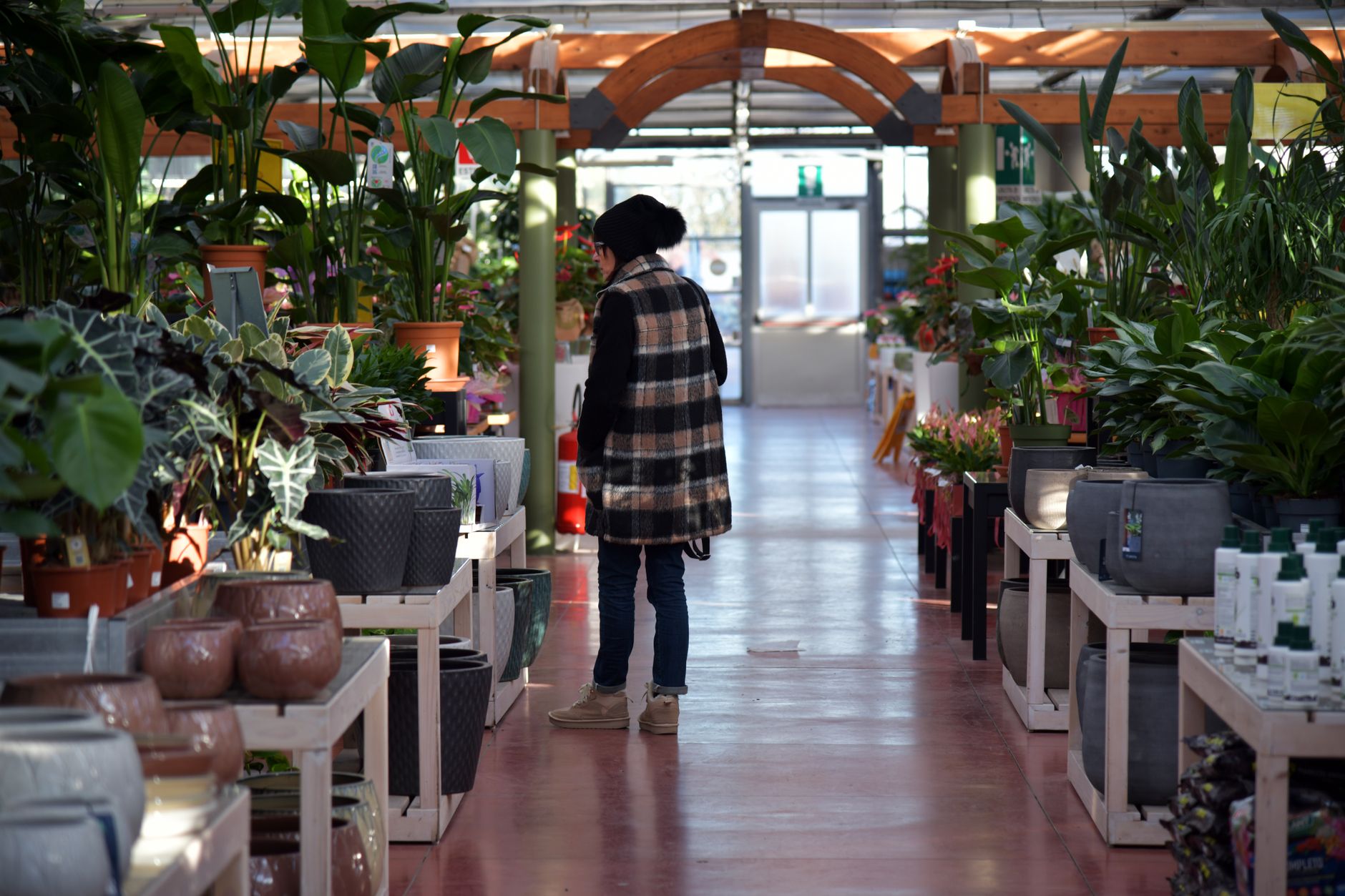
Beyond bulk supply yards, Texas garden centers are a practical stop for fall planting, since most carry mulch, soil amendments and the cool-season annuals and vegetables that go in now. A few with strong review counts across different metro areas:
The Natural Gardener in Austin and Plants For All Seasons in Houston are both long-established retail nurseries with thousands of combined reviews, and both list categories that cover general garden center stock rather than a single specialty. A garden center visit is also a good way to ask a specific, local question -- what is actually doing well in that soil and climate this fall -- that a general guide like this one cannot answer for every yard. Houston shoppers can see more listings on the Houston city page, and Austin shoppers on the Austin city page.
A Simple Way to Calculate How Much You Need
Before calling a yard or loading a cart, it helps to know roughly how much mulch or soil a project actually needs, since both bagged and bulk pricing scale off cubic feet or cubic yards.
The basic formula is: square footage of the bed, multiplied by the mulch depth in feet, equals the cubic feet needed. A 2-3 inch mulch depth is standard for most beds -- thinner breaks down too fast to matter, and much deeper can smother roots. For a bed that is 200 square feet at a 3-inch (0.25-foot) depth, that works out to 50 cubic feet, or roughly 2 cubic yards. From there, a supply yard or garden center can tell you the current cost for that volume in whichever product you choose.
A few practical notes that apply regardless of where you buy:
Order slightly more than the math says, since beds are rarely perfectly flat or rectangular.
Ask whether the yard's cubic yard measurement is loose or compacted -- it changes how far a load actually goes.
If a landscaper is doing the work, ask them to confirm the square footage before quoting, rather than estimating from a drive-by.
The Takeaway
Fall is a sound time to mulch and tidy up a Texas yard, and the cost comes down to a few concrete choices: bagged versus bulk, local supply yard versus garden center, and DIY versus hired labor. None of those choices has a fixed right answer -- a small border bed is a bagged-mulch job, a quarter-acre lot is a bulk-delivery job, and a steep or heavily overgrown yard is often worth a landscaper's quote. What does not change is that the figures move by location and season, so the one step worth doing before any project is calling the specific yard, center or landscaper and asking for a current quote on your actual square footage.