


05 Oct 2026 · 9 min read
How to Pick a Healthy Tree at the Nursery in 2026
Learn what to check on roots, trunk, and buds before buying a tree this fall, plus container vs. balled-and-burlap basics.
trees fall planting nursery shopping06 October 2026 · 9 min read
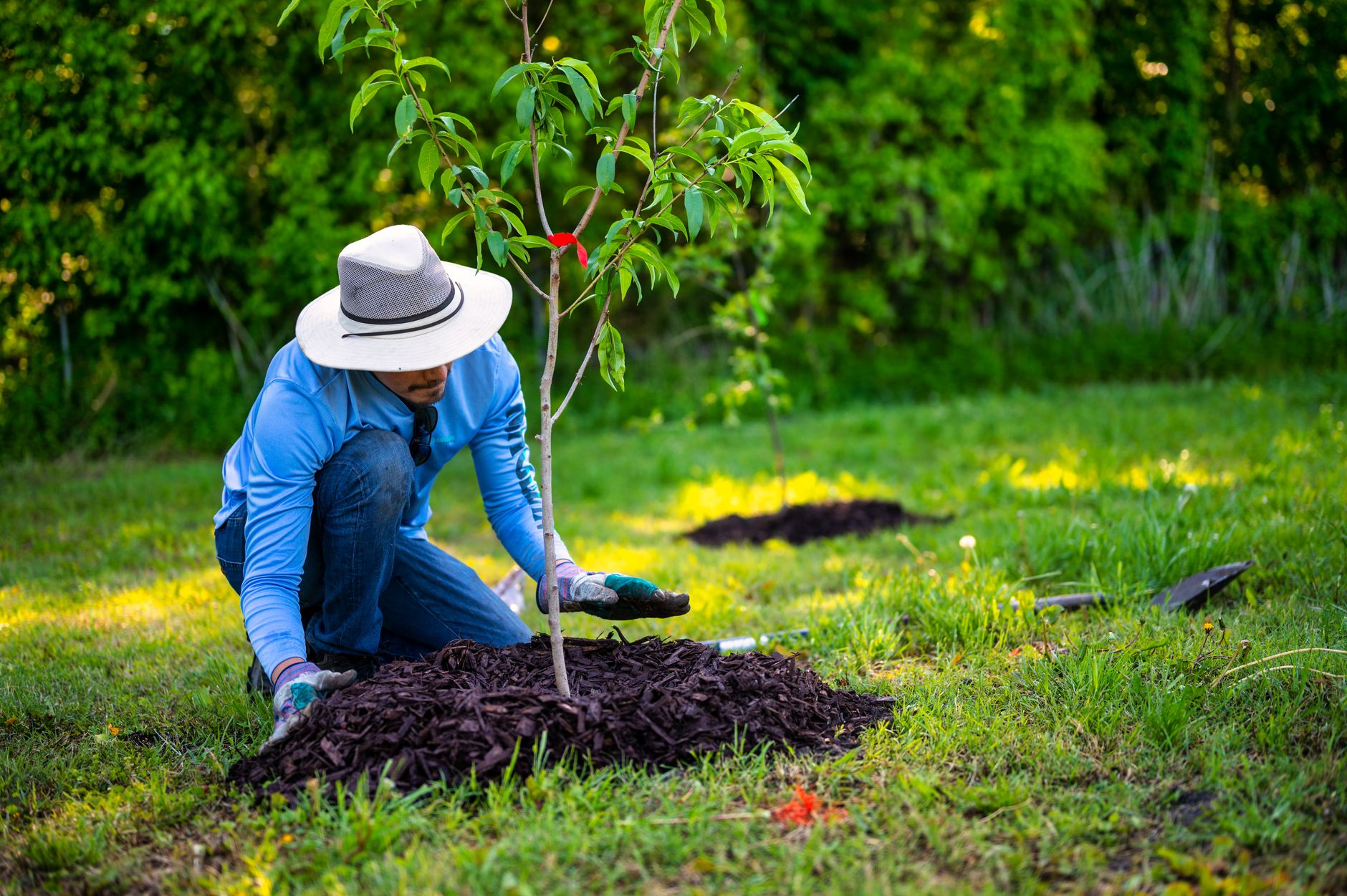
If you have ever bought a plant at a garden center and wondered why the tag warns it is only "hardy to zone 8," the answer is printed on a map most gardeners never look at closely: the USDA Plant Hardiness Zone Map. It is the single most useful piece of information for deciding what will survive your winter, and it varies more within a single state than most shoppers realize. A nursery forty miles from the coast can sit in a completely different zone than one near the water, which is exactly why two garden centers in the same state can carry different plant lists for the same fall planting season.
This guide walks through what a hardiness zone number actually measures, how to look up your own, and what the zone spread looks like across three states where this directory already has deep listings: California, Texas and Florida. Along the way we point to real garden centers and nurseries in each zone so you can see how the number plays out on the ground.
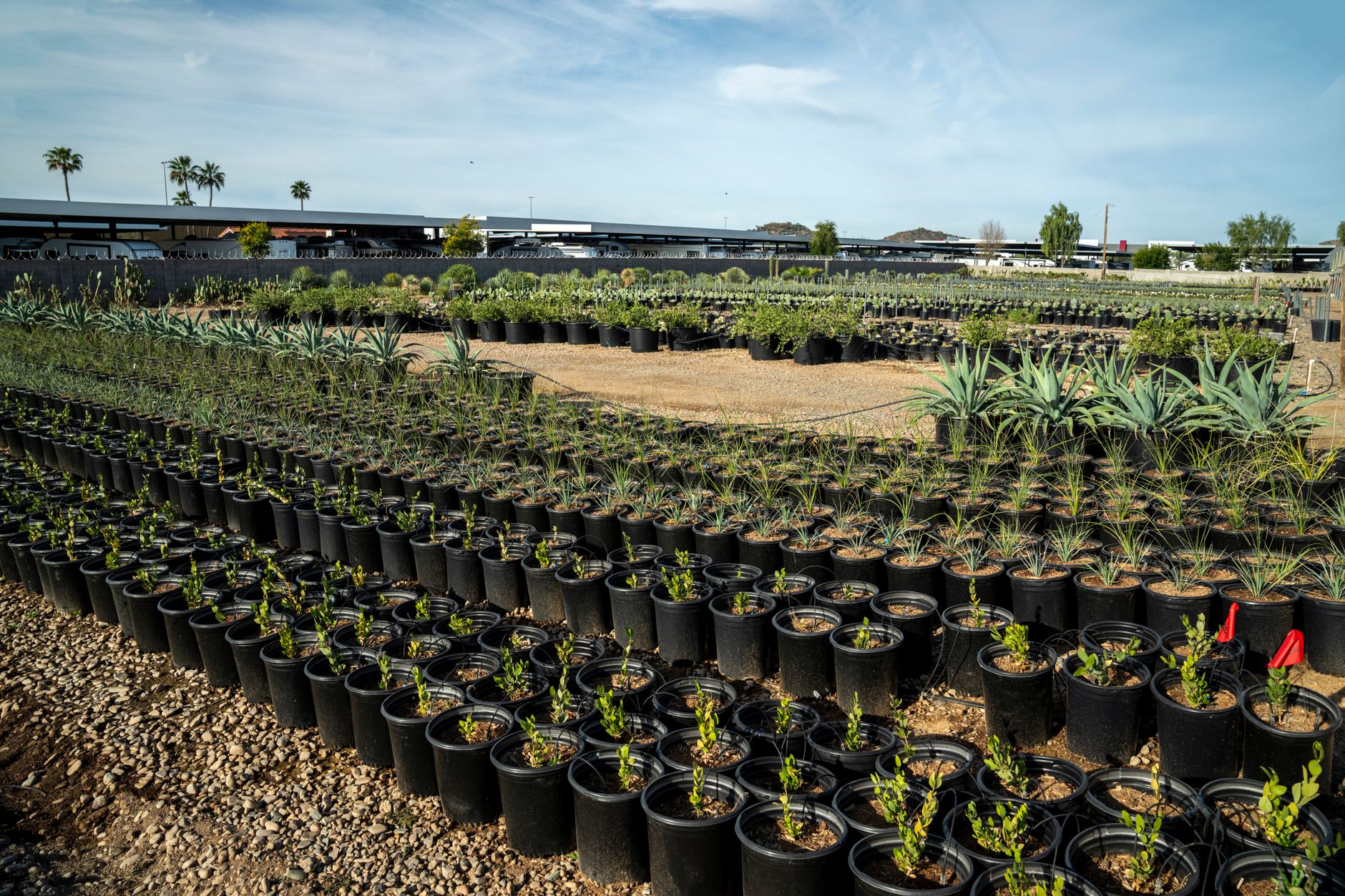
The USDA Plant Hardiness Zone Map divides North America into 10-degree Fahrenheit bands, each split into a colder "a" half and a warmer "b" half, based on the average annual extreme minimum winter temperature recorded at weather stations over a multi-decade period. Zone 5 means winters typically bottom out between -20°F and -10°F; zone 10 means they rarely drop below 30°F to 40°F. The map does not measure heat, humidity, rainfall or soil — only how cold winter gets in an average year.
That single number on a plant tag ("hardy to zone 7") tells you whether a perennial, shrub or tree is likely to survive the coldest night your area typically sees. It does not guarantee the plant will thrive; it only tells you whether it will likely live through winter outdoors. A plant rated for zones 8–11 will die back or die outright in a zone 6 winter, while a zone 3–7 plant may simply struggle with heat stress if planted in zone 10.
The USDA updated the map most recently in 2023, and it is searchable by ZIP code at planthardiness.ars.usda.gov. Punch in your ZIP code and the tool returns your specific half-zone — not just the broad band most people remember from decades ago. This matters because many gardeners are still working from an outdated mental map; some areas shifted by half a zone or more in the latest revision as decades of warmer winters were factored in.
It's worth checking even if you think you already know your zone, because zone boundaries inside a single state can be surprisingly granular. Elevation, distance from the coast or a large lake, and urban heat all shift the number, sometimes within the same metro area.
To make this concrete, here is how the zone spread looks across six cities where this directory has active garden center and nursery listings, verified against the current USDA zone-by-ZIP-code data:
| City | State | ZIP | USDA Zone | What it means |
|---|---|---|---|---|
| Fort Worth | Texas | 76119 | 8b | Occasional hard freezes; tender perennials need winter protection |
| Tallahassee | Florida | 32308 | 9a | Light frost most winters; citrus needs a protected spot |
| Houston | Texas | 77043 | 9b | Rare hard freeze; many subtropicals survive outdoors |
| Upland | California | 91786 | 10a | Frost is rare and brief; most citrus and avocado thrive |
| Fort Pierce | Florida | 34982 | 10a | Essentially frost-free; tropical plants are reliable |
| Carpinteria | California | 93013 | 10b | Coastal mild climate with almost no frost risk |
Notice that Fort Worth and Carpinteria, both in large states with major directory coverage, sit two full zones apart. That gap is the difference between needing to bring tropical houseplants indoors every winter and being able to leave them outside year-round.
California's zones compress a lot of climate variation into a short map. Inland foothill towns and coastal towns can both land in zone 10, but for different reasons: inland areas get hot, dry summers with brief winter chill, while the coast stays mild and damp nearly all year.
Garden Centers · Upland, California
Plant Safari, a garden center in Upland (zone 10a) in the garden centers of Upland, California, sits in the inland Inland Empire climate, where winter lows are mild but summer heat is intense — a factor that matters as much as the zone number when choosing where to plant.
Garden Centers · Carpinteria, California
Down the coast, Seaside Gardens in Carpinteria (zone 10b) in the garden centers of Carpinteria, California sits in one of the mildest climates in the continental US, where the Pacific keeps both summer heat and winter frost in check. You can browse more of the state's nurseries and garden centers on the California listings page for other zones across the state.
Texas is large enough that its hardiness zones shift meaningfully from north to south and inland to coast. Fort Worth, in the north-central part of the state, still sees occasional hard freezes that can kill unprotected tropicals, while Houston, closer to the Gulf, rarely drops that low.
Plant Nurseries · Fort Worth, Texas
The Tree Place in Fort Worth (zone 8b), listed among the plant nurseries of Fort Worth, Texas, operates in a zone where many broadleaf evergreens and some citrus varieties need a sheltered microclimate or winter protection to reliably survive.
Plant Nurseries · Houston, Texas
Moon Valley Nurseries in Houston (zone 9b), part of the plant nurseries of Houston, Texas directory, works in a warmer band where palms, citrus and many subtropical shrubs are standard stock rather than a gamble. The full set of Texas garden businesses spans a wide range of zones worth checking before you plant.
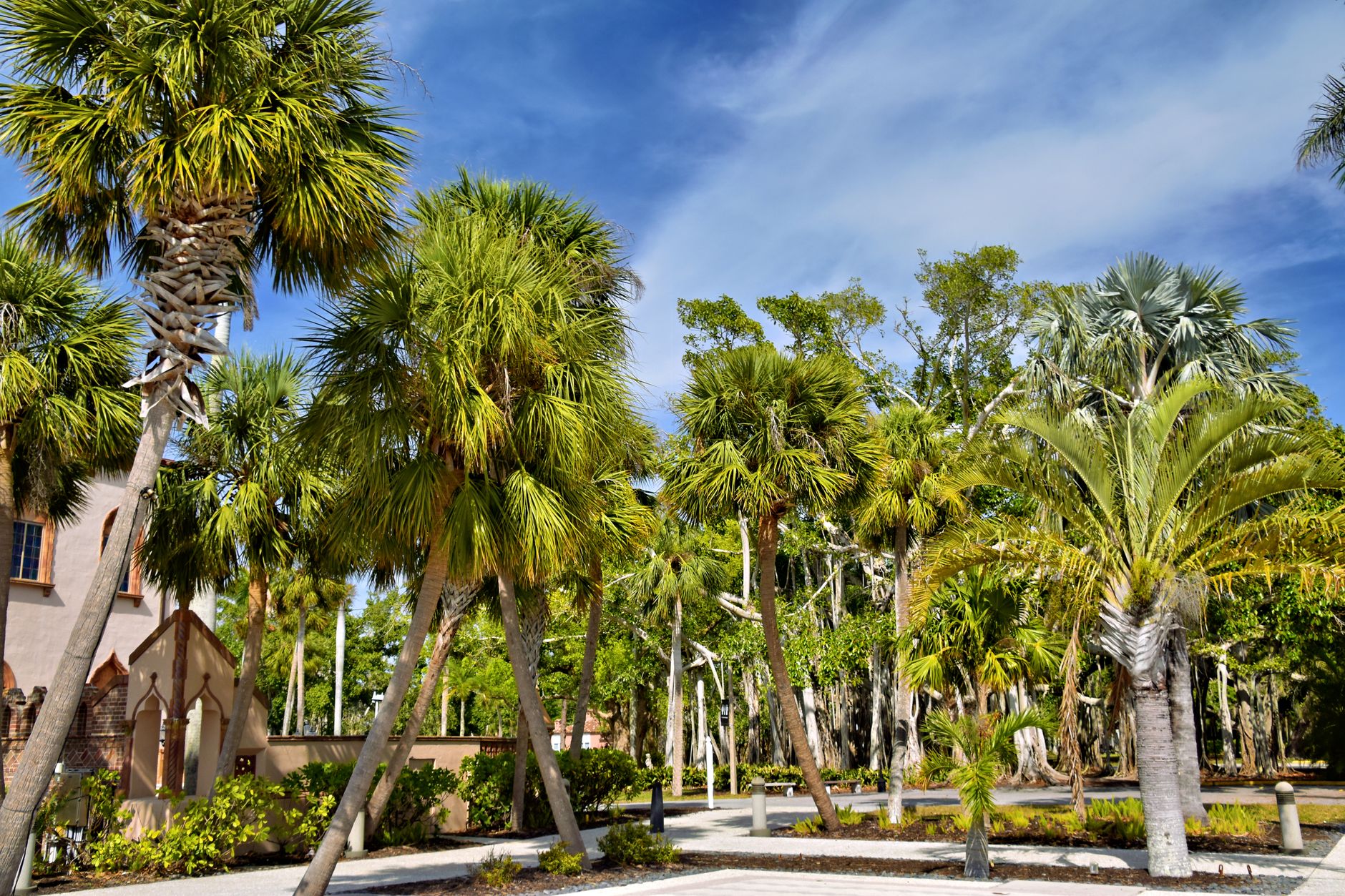
Florida's panhandle and north-central cities behave more like the Deep South than most people expect, with real winter frost most years, while the central and southern coasts stay close to frost-free.
Garden Centers · Tallahassee, Florida
Native Nurseries in Tallahassee (zone 9a), found among the garden centers of Tallahassee, Florida, sits in a part of the state that gets light frost most winters — enough that citrus trees usually need a protected spot near a south-facing wall.
Garden Centers · Fort Pierce, Florida
Weatherbee Nursery in Fort Pierce (zone 10a), part of the garden centers of Fort Pierce, Florida listings, operates in the state's warmer coastal band, where frost is rare enough that tropical and subtropical plantings are the norm. The broader Florida directory covers everything from the panhandle to the southern tip.
Fall is when zone knowledge pays off the most, because it is when gardeners make two kinds of decisions at once: what to plant now for next spring, and what needs to come indoors or get covered before the first real cold snap. In a zone 8b city like Fort Worth, late October and November are typically the window to get trees, shrubs and perennials into the ground before the ground cools too much for root establishment, and also the deadline for moving tender container plants under cover.
In zone 9 and 10 areas like Houston, Tallahassee or Fort Pierce, fall planting windows run longer because the ground never gets cold enough to stop root growth, and frost risk is occasional rather than guaranteed. That is also why garden centers in these warmer zones can keep more tender perennials, citrus and tropical foliage in stock through the fall than a zone 7 or 8 nursery further north would dare to carry outdoors.
Knowing your zone before you shop saves a wasted trip and a dead plant. If a label says "zone 9–11" and you garden in zone 8b, that plant is a container specimen or an indoor plant where you live, not a permanent landscape choice — no matter how good it looks on the bench.
The practical difference between these zones shows up most clearly in what a garden center will recommend planting in October and November. In zone 8b areas like Fort Worth, fall is prime time for cold-hardy trees, shrubs and perennials that need the next few months of cooler, moister soil to establish roots before summer heat returns — but it is also the last reasonable window to plant anything borderline, since a hard freeze can arrive as early as late November some years.
In zone 9 cities like Houston and Tallahassee, the fall planting window extends further into winter, and gardeners have more flexibility to stagger projects across several weekends instead of racing a single frost deadline. Citrus, in particular, is often planted in fall in zone 9a so it has a full growing season to establish before the next light frost arrives.
In zone 10 areas like Upland, Carpinteria and Fort Pierce, "fall planting" is less about beating frost and more about avoiding the stress of summer heat — cooler fall temperatures simply make it easier for new root systems to establish than planting in the middle of a hot, dry summer. Tropical and subtropical plants that would need to come indoors every winter further north can go straight into the ground here with little seasonal timing pressure at all.
A hardiness zone is a floor, not a full forecast. It says nothing about summer heat, which matters just as much in Texas and Florida as winter cold; the American Horticultural Society's companion Heat Zone Map addresses that separately, and many plant tags increasingly list both. It also says nothing about rainfall, humidity, soil drainage or how much sun a specific spot gets — a shaded, low-lying corner of a zone 9 yard can behave like a colder microclimate, and a south-facing wall in a zone 7 yard can shelter plants rated a zone warmer than the official number suggests.
Local nursery staff tend to know these microclimate quirks better than any map, which is one good reason to ask before buying anything borderline for your zone. A garden center that has been selling plants in the same neighborhood for years has effectively run the experiment already.
Look up your exact ZIP code on the USDA Plant Hardiness Zone Map rather than relying on memory or an old chart, since the 2023 update shifted many areas by a half zone. Then check any plant tag against that number before buying, remembering that the zone tells you about winter cold tolerance only — heat, soil and microclimate still matter. If you are shopping this fall in a borderline zone like 8b or 9a, ask the nursery staff directly whether a plant needs winter protection in your specific area; if you are in a reliably warm zone like 9b or 10, you have a wider and longer fall planting window than gardeners just a few hundred miles north.
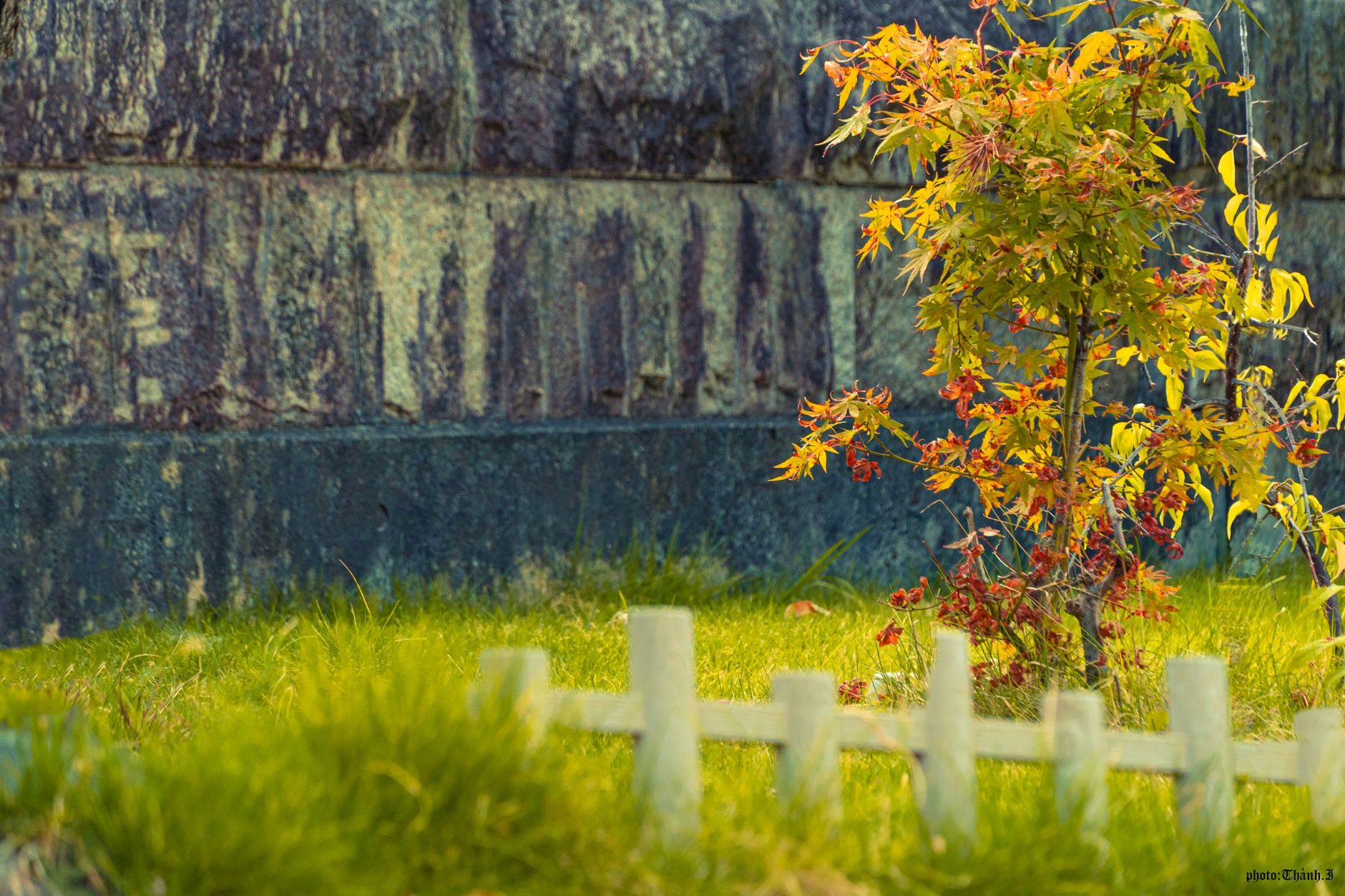
05 Oct 2026 · 9 min read
Learn what to check on roots, trunk, and buds before buying a tree this fall, plus container vs. balled-and-burlap basics.
trees fall planting nursery shopping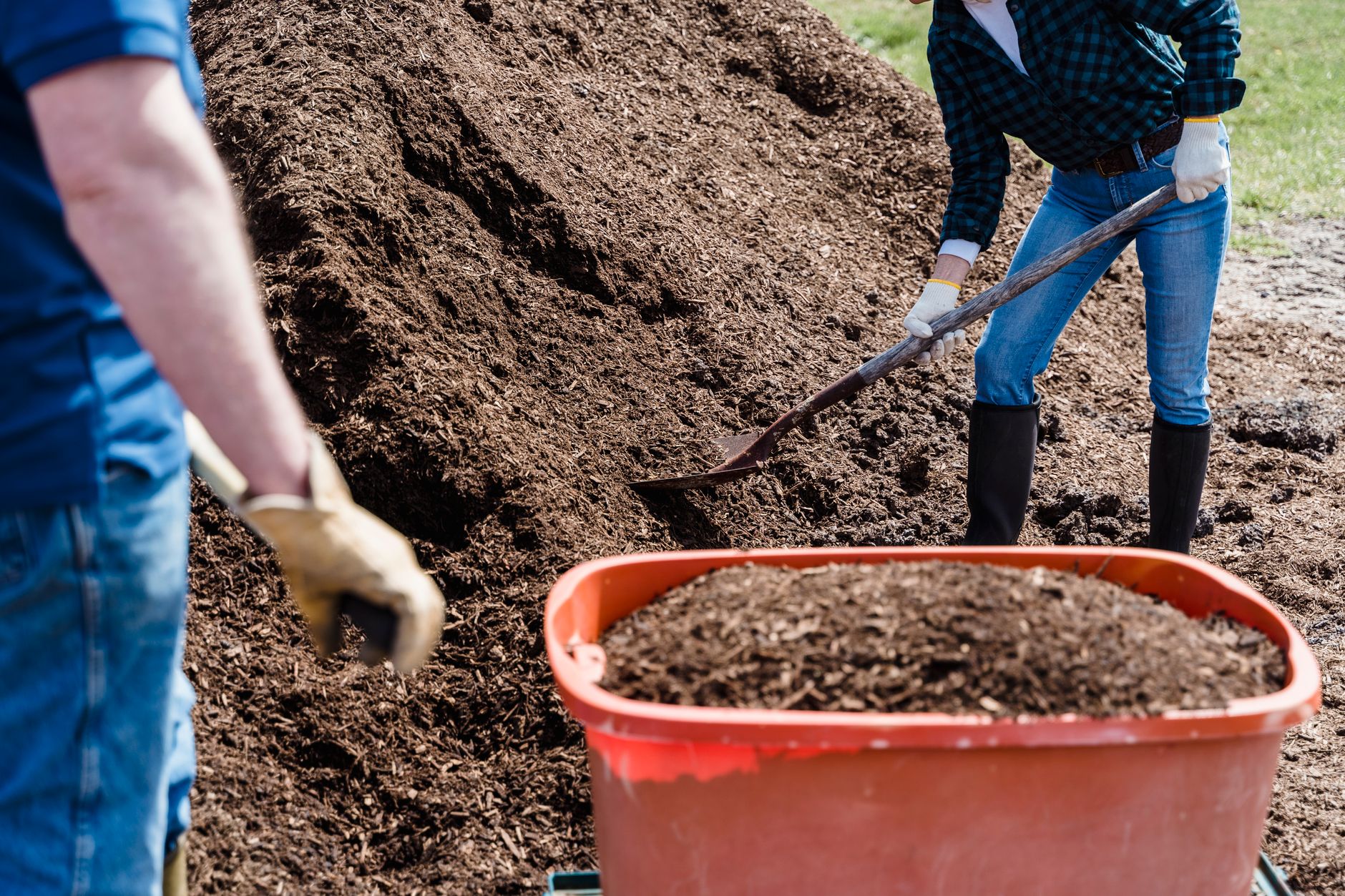
04 Oct 2026 · 7 min read
A look at bagged vs. bulk mulch, landscape supply pricing and DIY vs. hiring a landscaper for fall yard work in Texas.
mulch landscaping costs Texas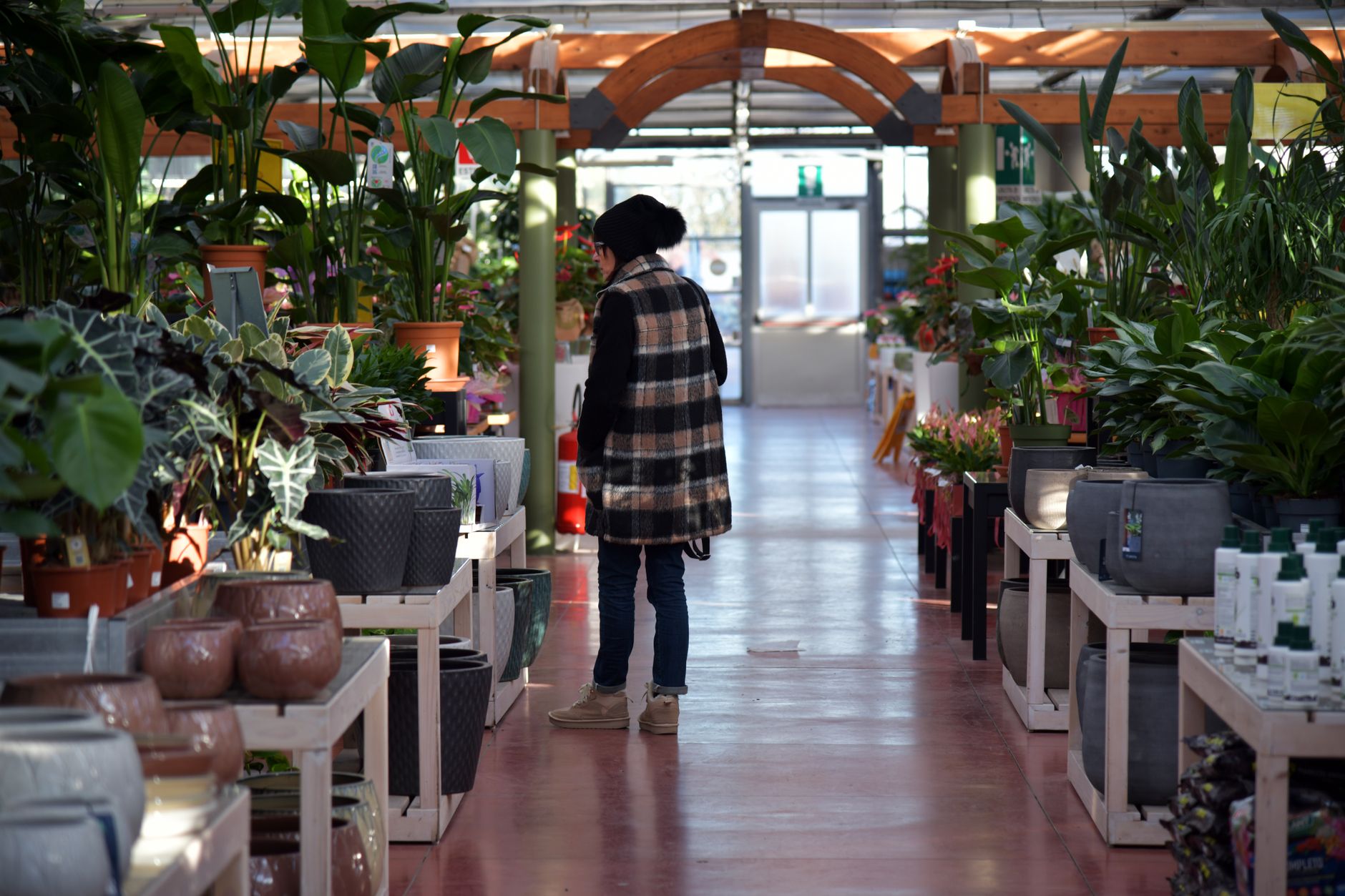
03 Oct 2026 · 8 min read
A fall planting guide to Sacramento garden centers, native-plant and specialty nurseries, and the supply yard for soil, mulch and irrigation.
Sacramento California fall planting