Central Florida's heat finally breaks in October, and for gardeners around Orlando that makes fall one of the most comfortable stretches of the year to get outside and plant. Temperatures drop out of the triple digits, afternoon thunderstorms taper off, and the soil has months of warmth left in it before any real cold arrives. It's also the season when local garden centers, nurseries and supply yards restock for the fall rush — which makes now a reasonable time to scout the shops rather than default to whichever big-box store is closest.
Orlando's directory of garden-related businesses is large enough that it helps to know which kind of shop solves which kind of problem. A small retail garden center is not the same trip as a wholesale tree farm, and a feed store selling fertilizer and tools is a different stop from a landscape supply yard selling mulch and soil by the yard. Below is a practical map of what's available around the city, organized by what each type of business is actually for.
Garden Centers for Everyday Planting
For most home gardening — annuals, perennials, potting soil, basic pest control — a local garden center is the simplest stop. Orlando has several long-running, independently owned options rather than only chain stores.
Apenberry's Gardens, on Edgewater Drive, describes itself as a locally owned neighborhood garden center with over an acre of indoor and outdoor plants, along with planters, fountains, soil, mulch, fertilizer and pest control supplies. It's open seven days except Sunday, with hours that run into the early evening most days, which matters if you're coming from work.
Palmer's Garden & Goods, on Corrine Drive, keeps similar daily hours, open every day of the week including Sunday afternoons. Having a Sunday option is worth noting if weekday errands don't leave time for yard shopping.
Beyond general garden centers, Orlando has a cluster of nurseries that focus more narrowly — on houseplants, rare or unusual specimens, or a specific niche like succulents and bonsai.
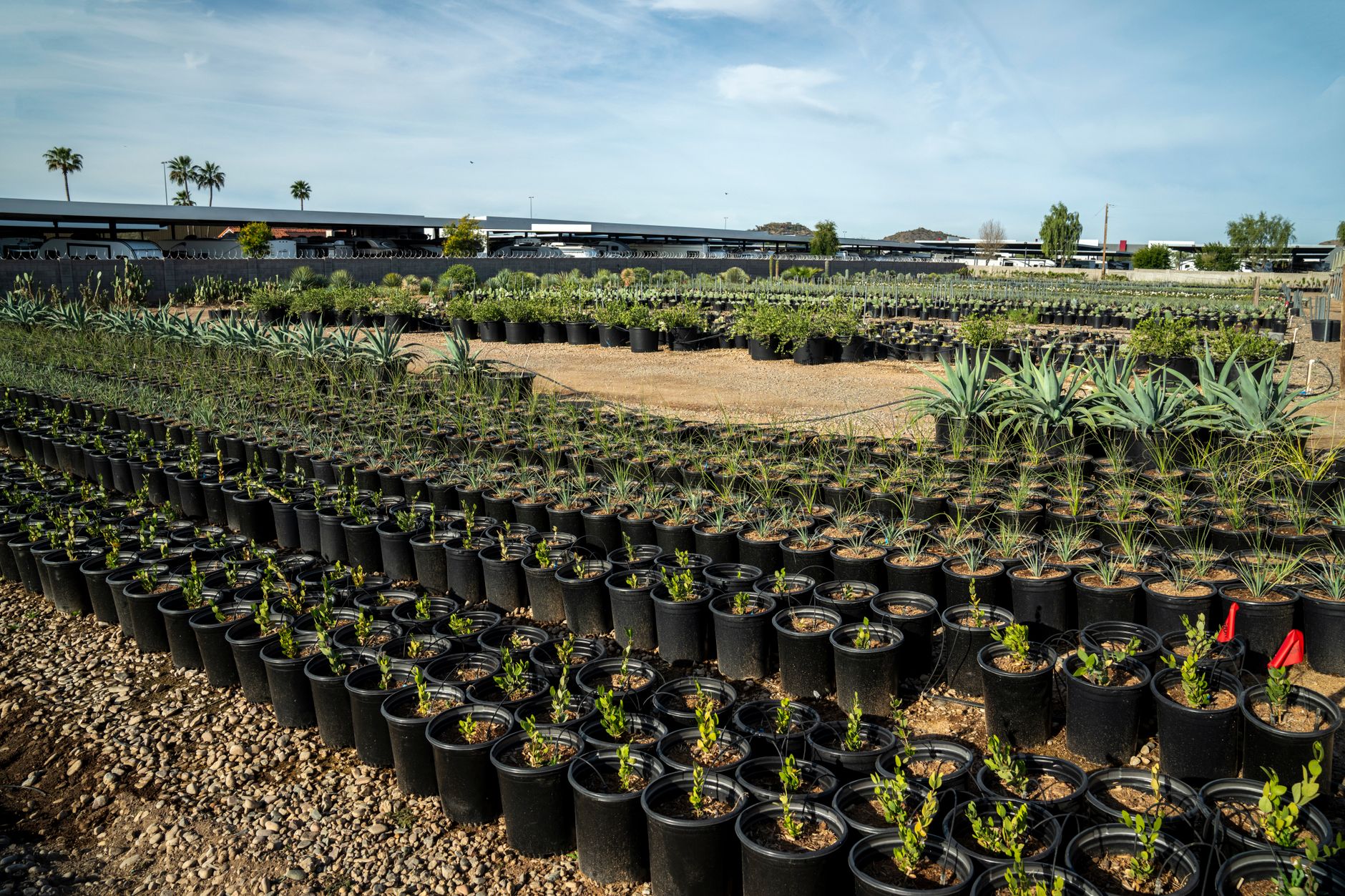
Sieffert's Nursery, in East Orlando on Tanner Road, has been operating as a family-owned business for more than 45 years according to its listing, which is long enough to have outlasted several waves of big-box competition. It opens at 8 a.m. on weekdays, earlier than many of the retail garden centers, which suits anyone trying to shop before the Florida sun gets high.
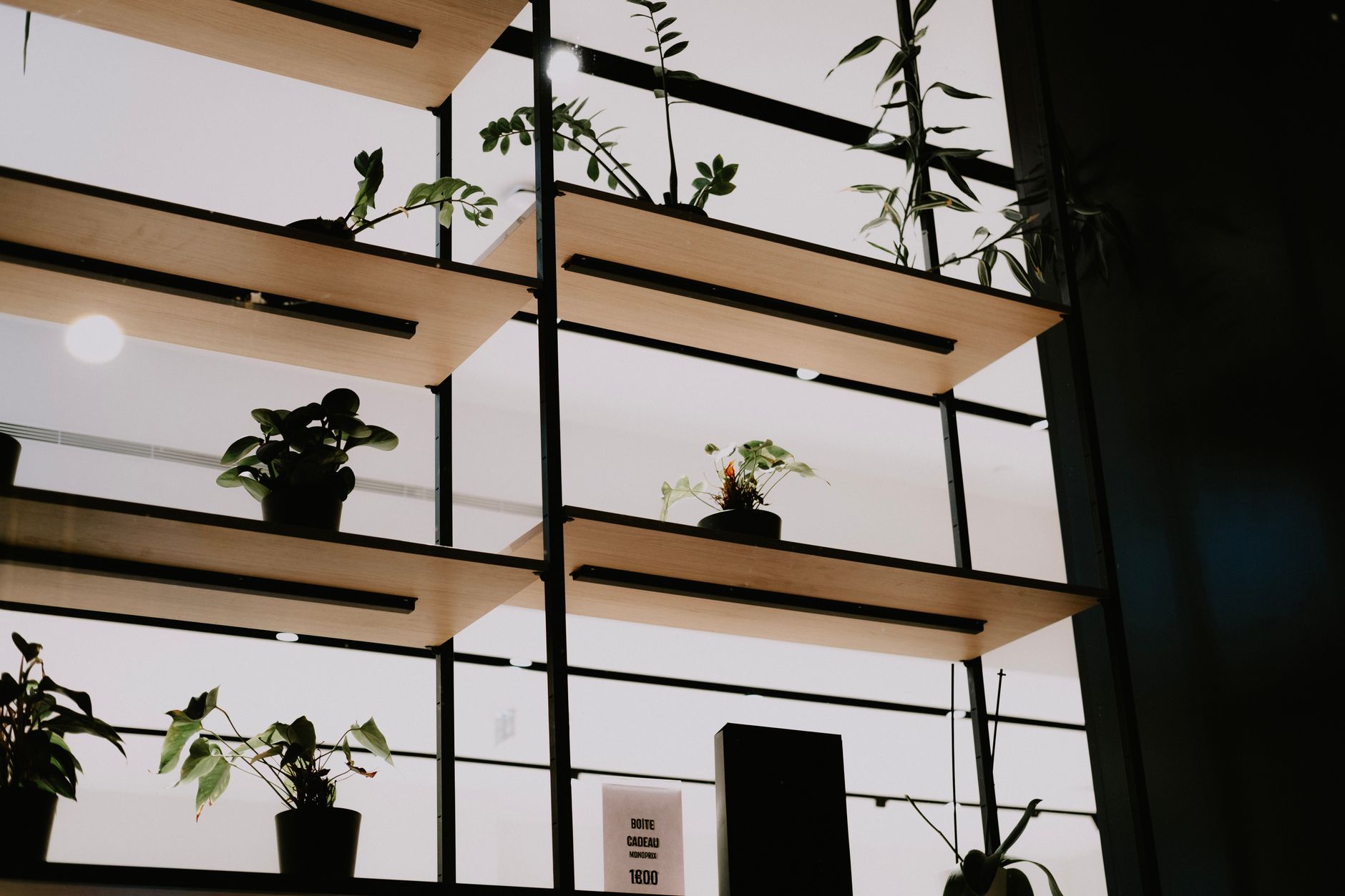
Jungle Room by BWH Plant Co., on Edgewater Drive, is positioned specifically around houseplants — from easy-care varieties to rarer finds — and notes new arrivals weekly. Its hours are different from a typical nursery: closed Monday and Tuesday, then open from midday through evening Wednesday through Sunday, which is closer to retail-shop hours than farm-stand hours. If you're hunting for a specific houseplant rather than landscaping stock, that distinction in hours and focus matters.
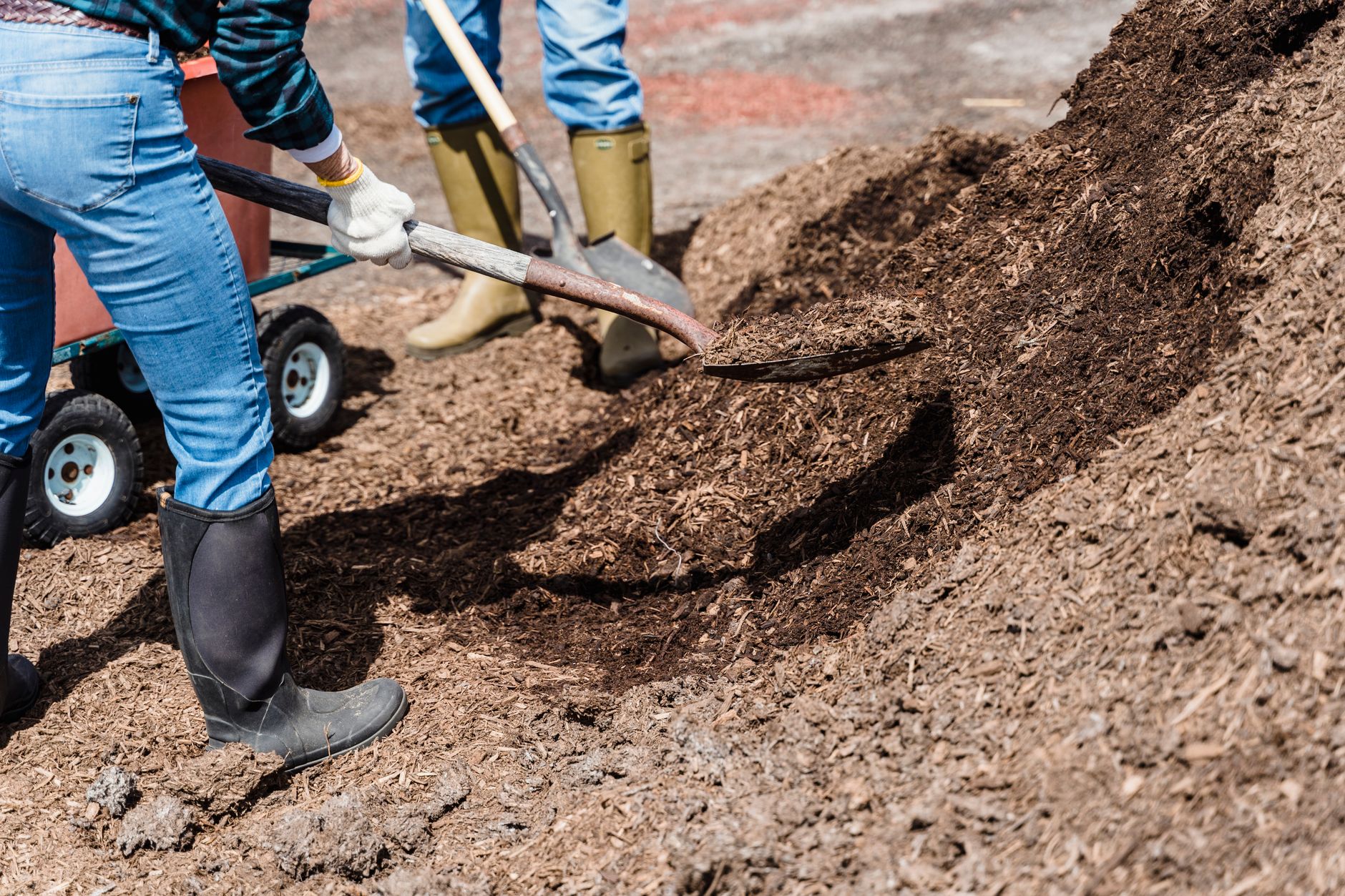
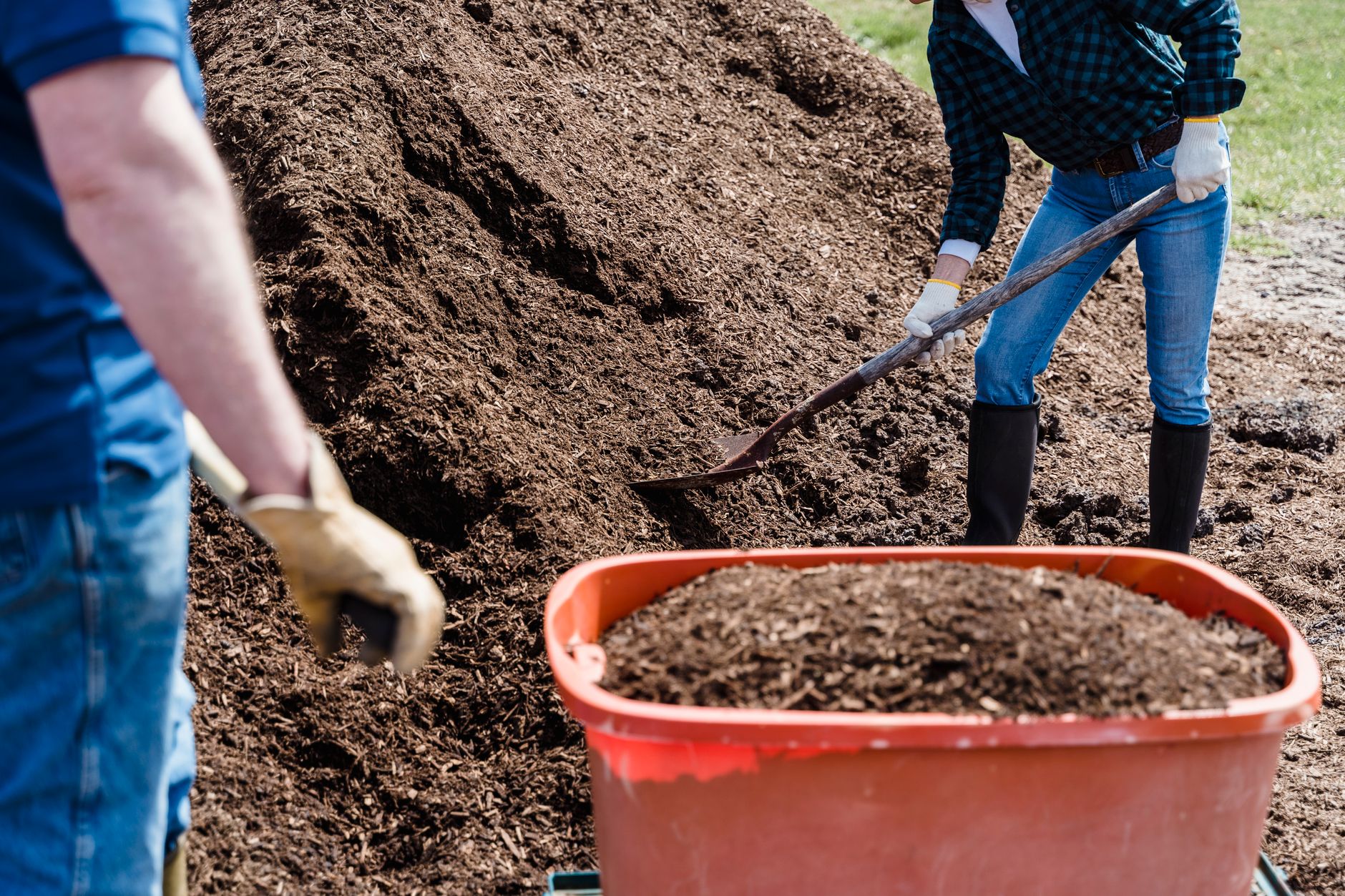
A different kind of trip entirely is the bulk materials run — mulch, soil, stone, or irrigation parts for a larger project rather than a few potted plants.
Ewing Outdoor Supply, on Old Winter Garden Road, is oriented toward professional landscaping and irrigation contractors working around Orlando, Winter Park, Winter Garden, Lake Buena Vista and Clermont, per its own listing. Its hours run early morning to mid-afternoon on weekdays only, closed weekends — standard for a trade supply yard that serves contractors rather than weekend shoppers. If you're a homeowner tackling a big mulch or soil job yourself, it's still worth a call, but go in expecting a yard built around professional customers.
If your property leans more rural — chickens, livestock, a vegetable garden measured in rows rather than beds — a feed store rounds out the list with products a garden center typically won't carry.
Palmer's Feed & Seed, on West Church Street, lists itself as primarily an animal feed store that also carries hardware and fertilizer. It's open daily, including shorter Sunday hours, which is convenient for anyone managing animals that need feeding on a schedule that doesn't pause for the weekend.
Not every stop on this list is about buying something. Seeing mature plantings in a public setting is a useful way to judge what actually thrives in Central Florida before committing to a purchase — a shrub or tree that looks fine as a small container plant at a nursery can grow into something very different after a decade in local soil and heat, and a public garden is the easiest place to see that outcome firsthand.
Harry P. Leu Gardens, on North Forest Avenue, is open daily from 9 a.m. to 5 p.m. according to its listing. A botanical garden isn't a retail stop, but walking through one in October — after the worst of the summer humidity has passed — is a low-pressure way to see which trees, shrubs and perennials hold up in this climate over years, not just a single season.
Not every Orlando gardener has a yard. Apartments, condos and townhomes around the city have pushed a steady market for hydroponics and indoor-growing supplies, which cover everything from grow lights to nutrient systems for anyone growing herbs, vegetables or ornamentals indoors year-round.
Grow Giant Hydroponics, on 28th Street, is one of several hydroponics retailers in the Orlando area carrying equipment for indoor and container growing. For renters or anyone without outdoor planting space, a hydroponics shop is a more useful stop than a traditional nursery, since the products and the advice are built around controlled-environment growing rather than in-ground planting.
The table below is a rough guide to which category fits which kind of project. It's a starting point, not a substitute for calling ahead — especially for anything involving delivery, bulk pricing or professional-only accounts, since those details vary by business and change over time.
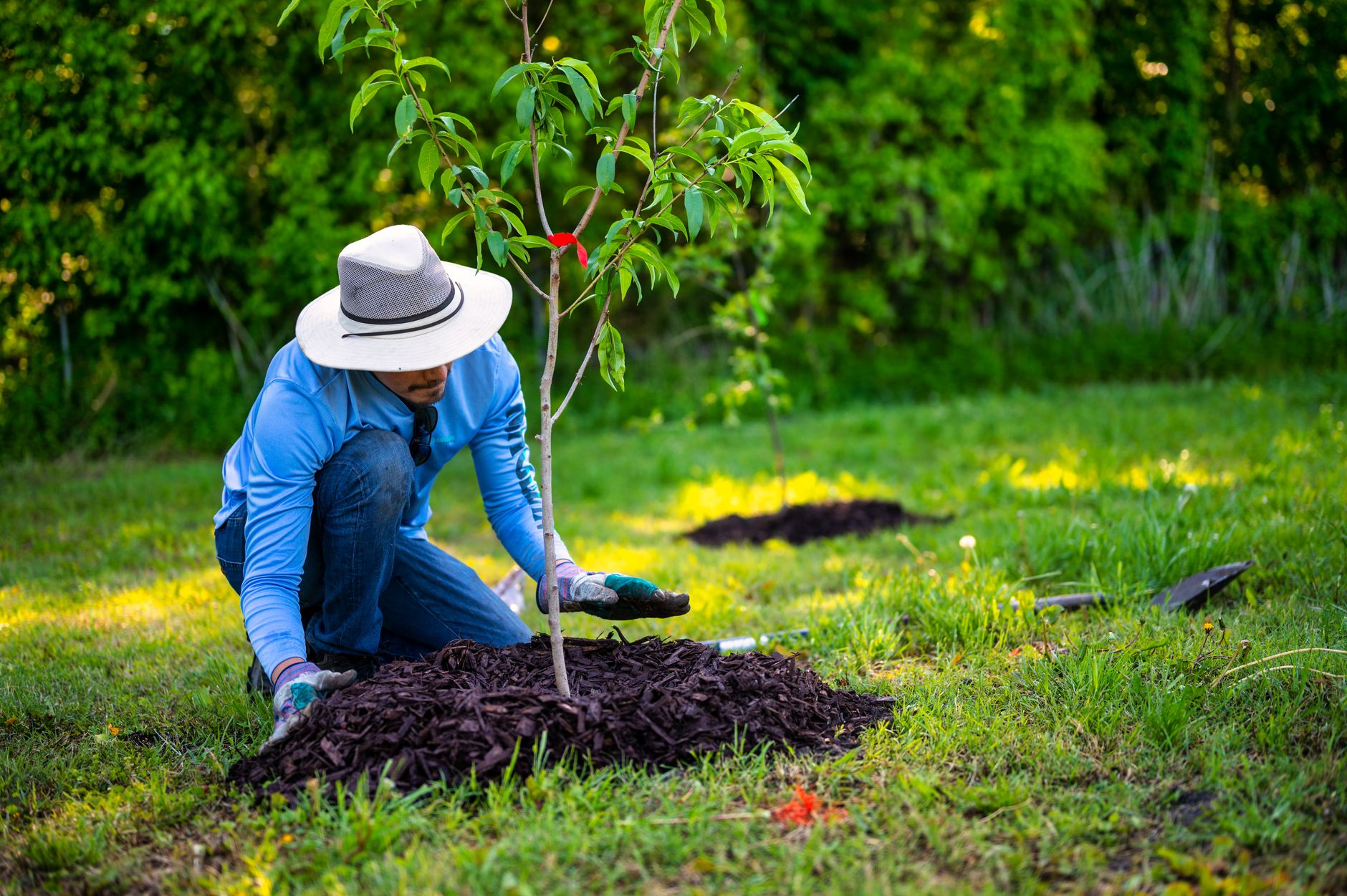
Central Florida doesn't have the hard planting deadline that colder regions do before winter, but fall still has a real advantage: the ground is warm, rainfall tends to ease up from the summer wet season, and plants put down roots without the stress of midsummer heat. Trees and shrubs installed now get a few months to establish before next year's heat returns, which generally gives them a head start over anything planted in spring under already-rising temperatures. None of that requires guessing at exact dates — it's simply a wider, more forgiving window than late spring or summer offers.
That said, local conditions vary block by block. Drainage, sun exposure and existing soil differ even within a single Orlando neighborhood, which is one more reason an in-person conversation at a nursery or garden center is worth more than a generic planting calendar. Staff at an independent nursery that's been in the area for decades, like Sieffert's, have usually seen how a given plant performs in local soil over multiple seasons — information that's harder to get from a big chain store with regional rather than local buying decisions.
This is also the time of year when irrigation habits should change. Established plantings generally need less supplemental watering once daytime temperatures ease and rainfall patterns shift, while anything newly planted this fall still needs consistent moisture while its root system spreads. If a sprinkler system has been running on a summer schedule since spring, fall is a sensible time to walk the yard and check whether any zones are overwatering now that the heaviest rains have passed — a quick adjustment that can save on a water bill without any new equipment or a service call.
Delivery, Parking and Accessibility
Specific delivery areas, current stock and accessibility features aren't listed uniformly across every business profile, so the most reliable approach is still a phone call or a check of the business's own website before making a special trip — particularly for anything bulky like mulch, soil or larger nursery stock that may need a truck or delivery arranged in advance. Parking varies by location too: the smaller nurseries on residential-feeling streets like Edgewater Drive and Tanner Road tend to have limited on-site parking compared to a supply yard built for contractor trucks.
The Takeaway
Orlando has enough garden-related businesses that the right first stop depends on the job: a garden center for everyday planting, a specialty nursery for houseplants or unusual stock, a supply yard for bulk materials, a feed store for larger or rural properties, and a public garden for research before you buy anything at all. Fall is a reasonable season to make any of those trips, since the worst of the Central Florida heat is behind you and plants have time to settle in before next summer. Start with the category that matches your actual project, call ahead for hours or delivery specifics, and treat the full Orlando listings as the index to work from rather than guessing which chain store happens to be nearest.