Every homeowner who calls around for a landscaping quote eventually asks the same question: why did one estimate come back so much higher than another for what sounds like the same job? The honest answer is that "landscaping" covers an enormous range of work, from a weekend mulch refresh to a full backyard redesign with a patio, retaining walls and a new irrigation system. What drives the final number is rarely the plants themselves — it's scope, materials, site conditions and labor.
This guide walks through the pieces that make up a landscaping cost, what each service category in the directory actually covers, and what to ask for when you request a quote. It does not quote specific prices, because rates vary by region, fuel costs, material markets and the individual business — always ask the company for its current rates. What it will do is help you understand what you're paying for, so a quote makes sense when it lands in your inbox.
What Goes Into a Landscaping Quote
A landscaping estimate is rarely a single line item. Most quotes break down into some combination of:
Design and planning — time spent walking the site, sketching a layout, and specifying plants or materials.
Labor — the crew-hours needed to grade soil, install plants, lay hardscape, or run irrigation line.
Materials — mulch, soil, sod, stone, pavers, plants and irrigation parts, usually marked up from wholesale.
Delivery and disposal — hauling in bulk material and hauling out old sod, stumps or debris.
Permits and equipment — relevant for retaining walls over a certain height, drainage work, or anything requiring heavy machinery.
A company that lists its services clearly makes it easier to see which of these cost drivers apply to your project before you even call. In College Station, Texas, one example spells out lawn care, fertilization and tree care as distinct line items:
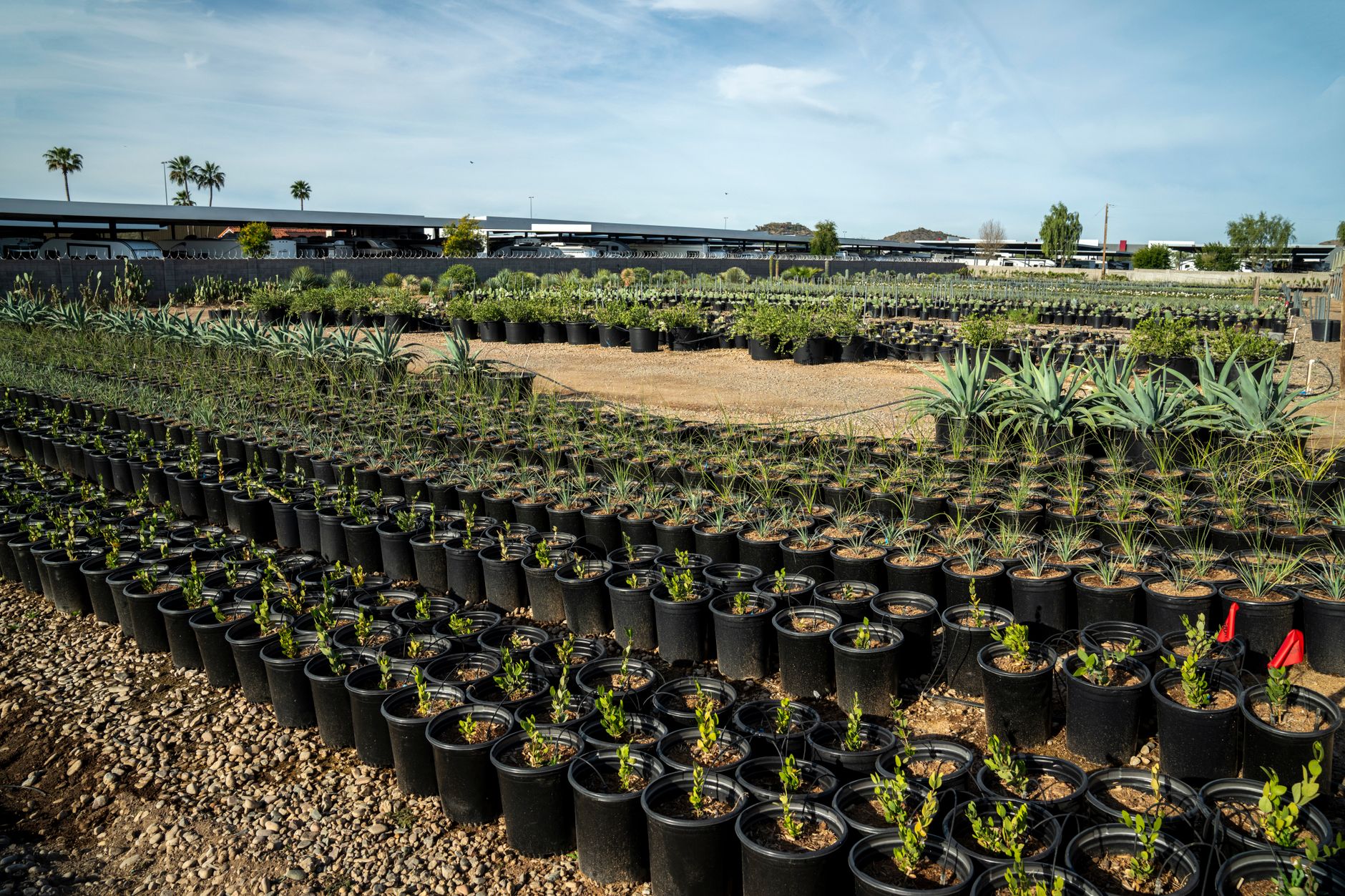
Some directory listings are retail or wholesale nurseries that also offer design and installation, which blurs the line between "buying plants" and "hiring a service." In Southwest Ranches, Florida, one example grows plants on site and also designs gardens and outdoor living spaces, so part of the cost is plant stock and part is labor for the install:
A pure landscaping contractor, by contrast, is selling labor and expertise more than product. Serving Pinellas County and South Tampa from St. Petersburg, Florida, this next listing specializes specifically in native-plant landscaping — a narrower focus that can mean a more tailored (and sometimes pricier) design process than a general landscaping crew, because native-plant selection takes site-specific knowledge of sun, soil and local wildlife:
Knowing which type of business you're calling helps you compare quotes fairly. A nursery-landscaper hybrid and a design-only landscape architect are not pricing the same scope of work, even if both show up under "landscaping" in a search.
Bulk Materials: Mulch, Soil, Sod and Stone
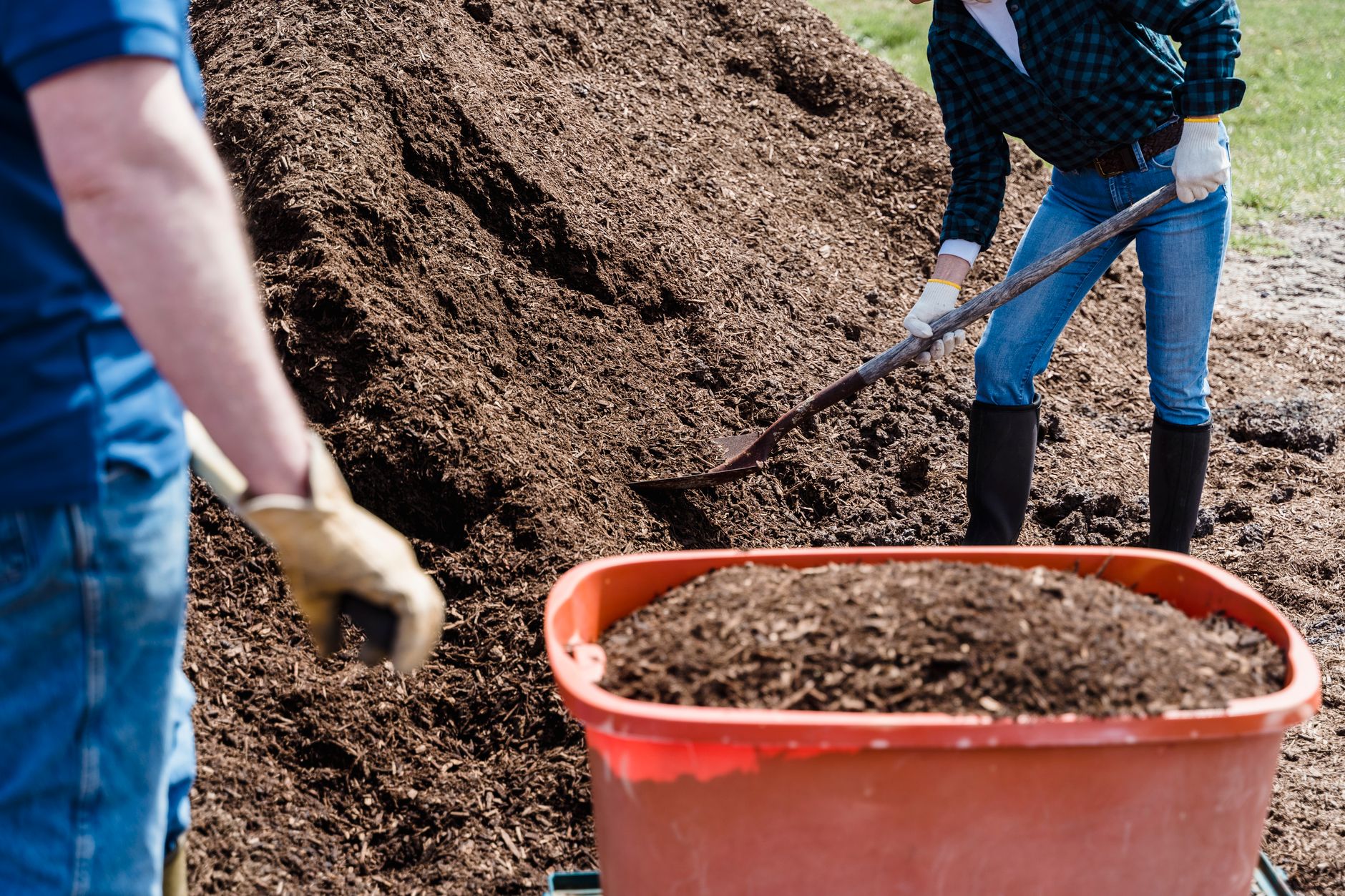
For DIY projects or contractors buying on your behalf, bulk material cost is one of the few places you can get a real number before committing to anything, because landscape supply yards typically post or quote pricing by the yard, ton or pallet. This Houston, Texas supply yard sells bulk mulch, organic compost, topsoil, sod and decorative rock directly, and a yard like this is usually the cheapest way to source material if you're willing to haul or arrange delivery yourself:
On the West Coast, a San Diego, California business takes a different angle on supply: it specializes in bamboo, thatch and tropical decor products rather than mulch and soil, a reminder that "landscape supplies" covers more than dirt and bark — screening material, edging, and decorative elements all show up on a materials line too:
Always ask a supply yard whether delivery, minimum order quantities, or a bulk discount for larger yardage changes the per-unit price before you commit to bagged product at a big-box store instead.
Project type
What's typically included
What drives the price
Mulch or soil refresh
Material delivery, spreading
Yardage needed, bagged vs. bulk, delivery distance
Lawn care program
Mowing, fertilization, weed and pest treatment
Lot size, visit frequency, treatment type
Planting or garden bed install
Plant stock, soil prep, labor
Plant size and species, number of beds, site access
Hardscaping (patio, walkway, wall)
Excavation, base material, pavers or stone, labor
Square footage, material choice, wall height/engineering
Irrigation system
Design, trenching, piping, heads or drip line, controller
Zone count, lot size, existing plumbing access
Hardscaping: Patios, Walkways and Retaining Walls
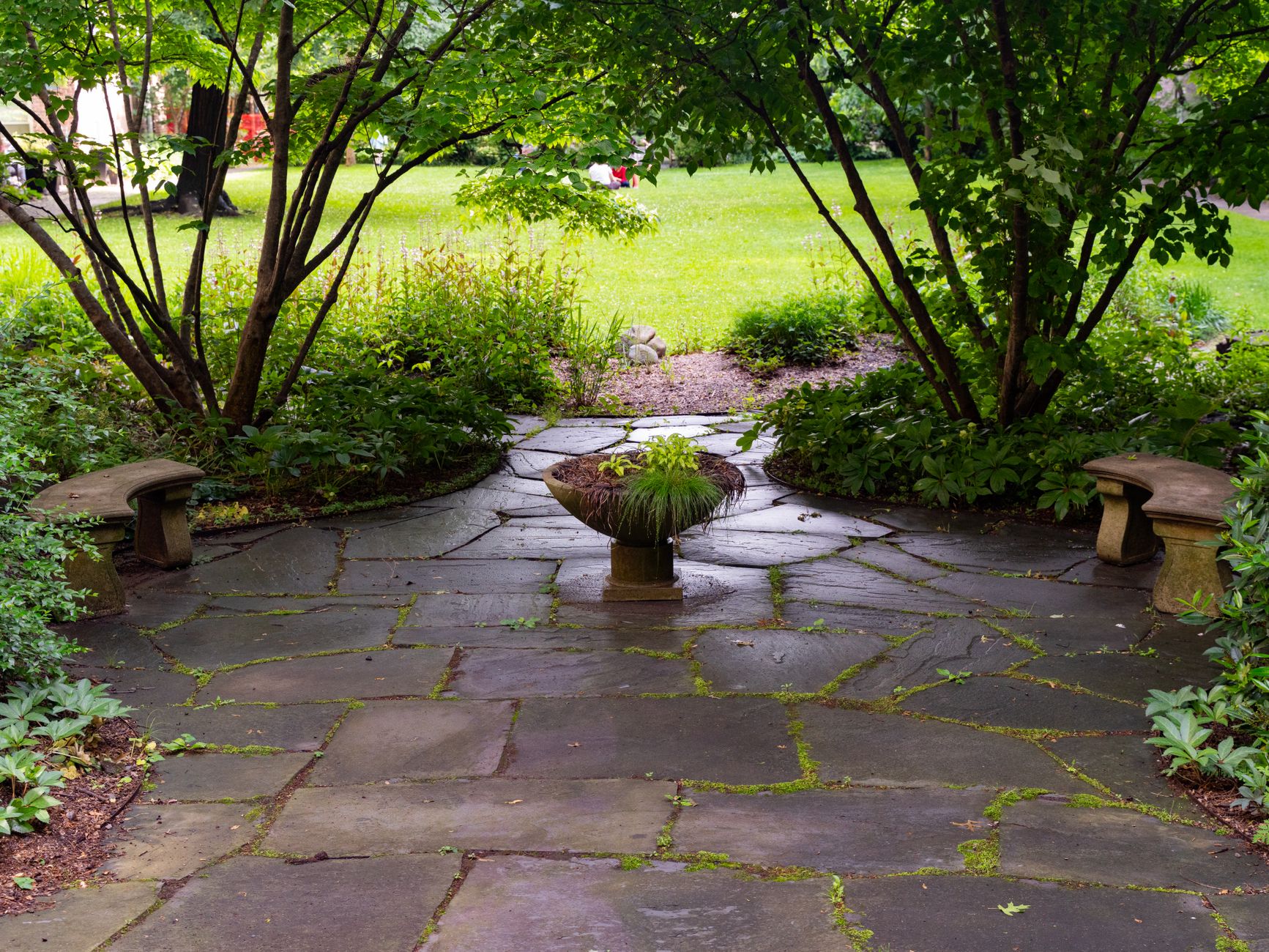
Hardscaping is usually the most expensive category per square foot because it combines heavy labor with material cost and, often, a base layer most homeowners never see — compacted gravel, sand, and sometimes drainage pipe beneath the visible stone or pavers. This Wilkes-Barre, Pennsylvania business supplies both landscape material and hardscape products, which is common for hardscaping-focused yards: they sell the pavers or wall block and often also handle or subcontract the installation.
Retaining walls deserve a specific mention because cost scales with more than length — wall height, soil type, and local permitting requirements for anything structural can all add cost that isn't obvious from a quick estimate. If a quote for wall work looks unusually low, ask whether it includes drainage behind the wall and whether the height requires an engineered design or permit in your municipality; skipping either is a common way contractors keep a bid artificially low.
Irrigation and Ongoing Lawn Care
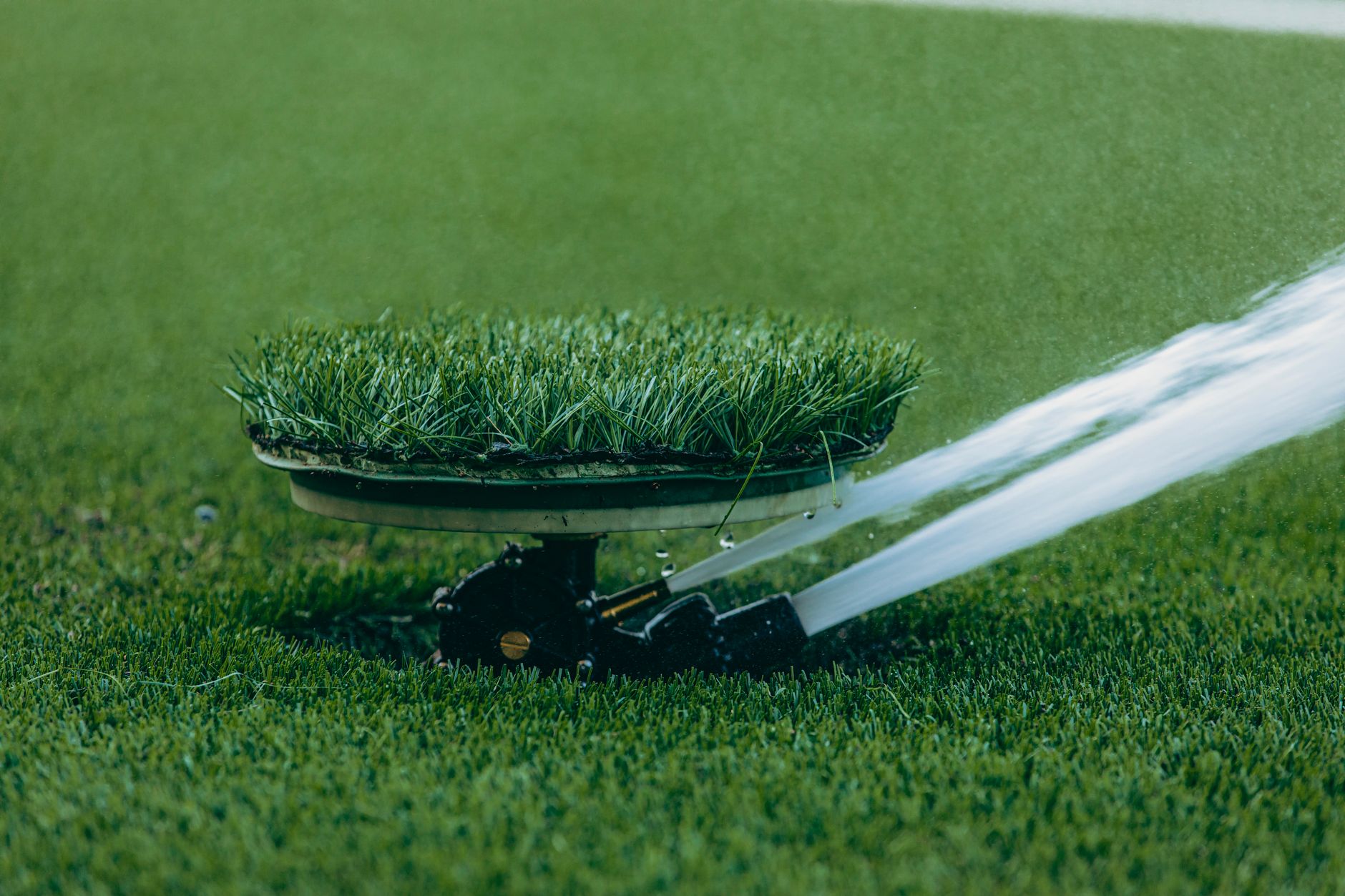
Irrigation is typically priced separately from a one-time landscaping project because it's infrastructure, not a one-day install in most cases — trenching, running pipe to each zone, and wiring a controller takes time regardless of lot size. Once a system is in, the ongoing cost shifts to maintenance: spring start-up, seasonal adjustments and winterization in cold climates.
Recurring lawn care is priced differently again, usually as a program rather than a project. In Poughkeepsie, New York, one business offers lawn maintenance and landscaping together, which is a common model in the Northeast where the mowing season is shorter and companies bundle seasonal cleanup with weekly care to keep crews busy year-round:
In Texas, where the growing season runs longer, this Frisco business focuses on tree care alongside lawn service — a useful reminder to check whether a "lawn care" listing also covers trees, since tree work (pruning, removal, disease treatment) is often priced and scheduled separately from mowing and fertilization:
Why the Same Job Costs Different Amounts in Different States
Climate and labor markets both move the needle. A Florida landscaper works around a nearly year-round growing season and hurricane-driven demand spikes for tree and storm cleanup work. A Pennsylvania or New York crew deals with a shorter season compressed into fewer months, which can push per-visit or per-project pricing higher to cover the same annual revenue over less working time. Texas sits in between, with a long season but also a large, competitive market of both national chains and independent operators, which tends to put downward pressure on recurring-service pricing specifically.
None of this tells you what your project will cost — only a quote from a business serving your area can do that — but it explains why a national average you might see elsewhere online is a poor substitute for a local quote. If you're comparing directory listings in your city and state, check each one's page for its address, hours and reviews before you call, since that context (a small owner-operated crew vs. a larger company with multiple trucks) often lines up with how pricing is structured.
Timing a Fall Project
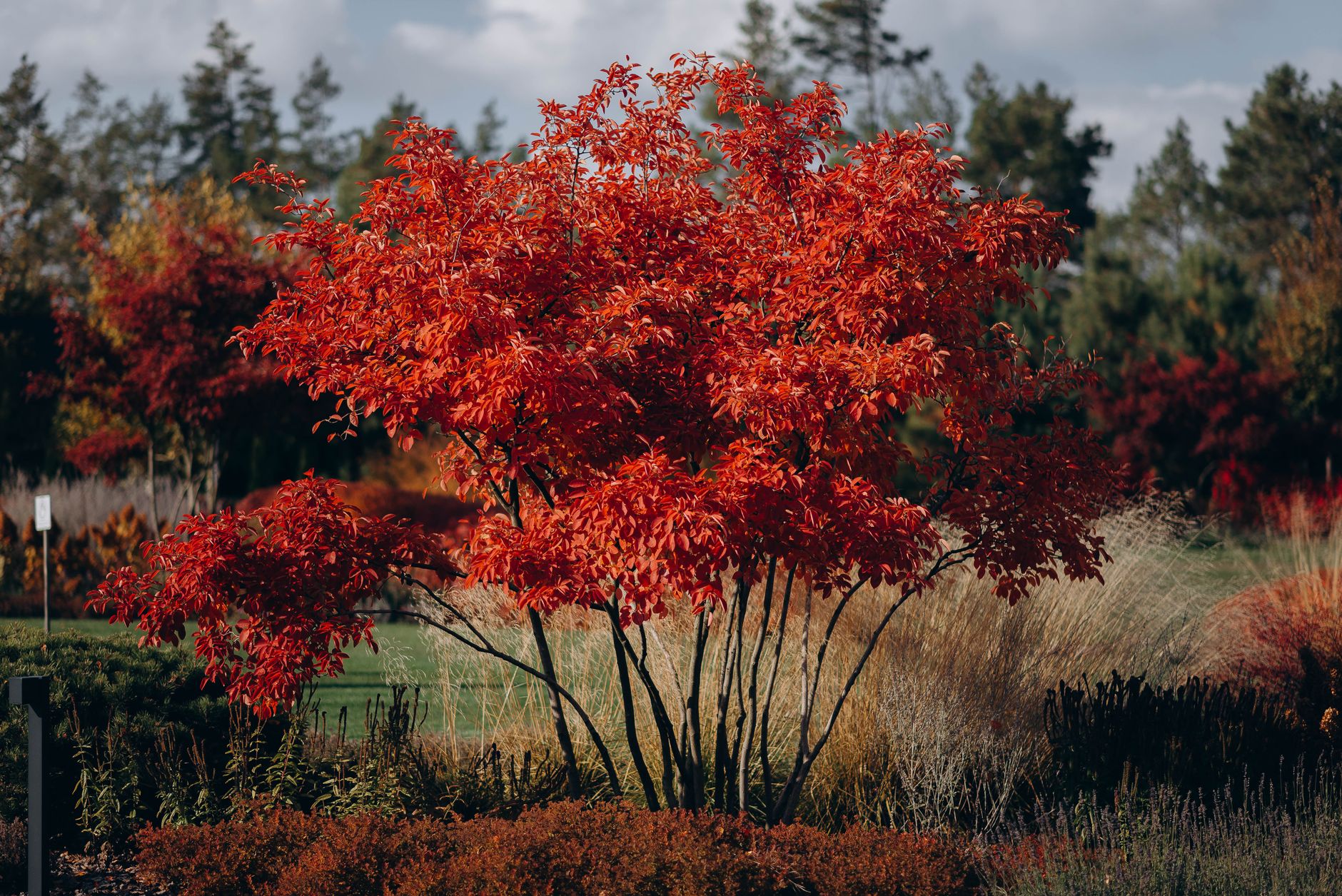
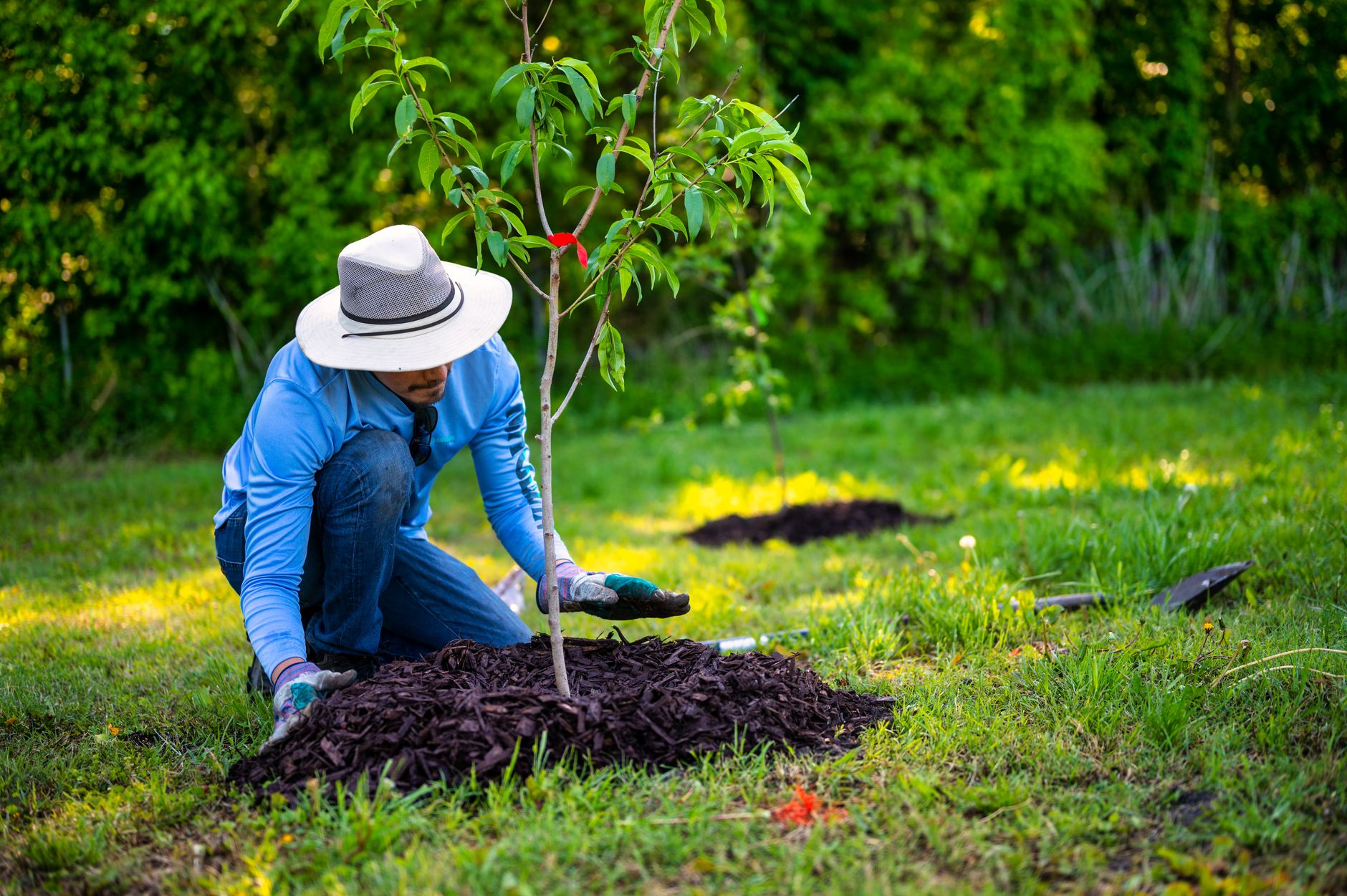
October sits in an odd spot for pricing. In much of the country, fall is considered the best time to plant trees and shrubs and to seed or overseed a lawn, because cooler air and still-warm soil let roots establish before winter without the stress of summer heat. That makes October a popular window for planting-focused work, which can mean a landscaper's calendar fills up fast even as mowing-focused lawn care work tapers off for the season. Asking a company directly whether it's in a slow or busy stretch right now is one of the simplest ways to find out whether there's room to negotiate scheduling, if not price.
In warmer states, the calendar barely changes company workload at all — growing seasons run long enough that hardscaping and irrigation crews stay busy nearly year-round, while in cold-winter states, a company may be wrapping up planting jobs and shifting toward leaf cleanup, gutter clearing and pre-winter irrigation shutdowns. None of this is a universal rule, but it's worth asking about when you request a quote in fall specifically, since a company's current backlog affects both price flexibility and how soon it can actually start.
Getting an Accurate Quote
A few habits make quotes more comparable:
Describe the scope the same way to each company — square footage, current condition, and what "done" looks like.
Ask what's included and excluded — delivery, disposal, cleanup, and warranty terms vary even for similar bids.
Request an in-person walkthrough for anything beyond a small refresh — phone or photo estimates for hardscaping or drainage work are rough at best.
Ask about timing — demand (and sometimes price) rises in spring and after storm damage; off-season requests can be more flexible.
Check for licensing or insurance on structural work — retaining walls, grading that affects drainage, and irrigation tie-ins to a water supply are areas where it matters.
The Takeaway
Landscaping cost is really several separate cost categories — materials, labor, hardscaping, irrigation and ongoing care — that happen to get bundled into one estimate. Understanding which category your project falls into, and which of the businesses in your area specialize in that category rather than treating it as a side service, is the fastest way to get a quote that's actually comparable to the next one you request. Browse nurseries, supply yards, landscapers and lawn care companies near you in the directory's state and city pages, and always confirm current pricing directly with the business — rates change too often, and vary too much by region, for any guide to quote them reliably.