


09 Oct 2026 · 8 min read
What Landscaping Costs in 2026
What actually drives a landscaping quote in 2026 — materials, labor, hardscaping and irrigation — and how to get quotes you can fairly compare.
landscaping costs hardscaping lawn care10 October 2026 · 8 min read
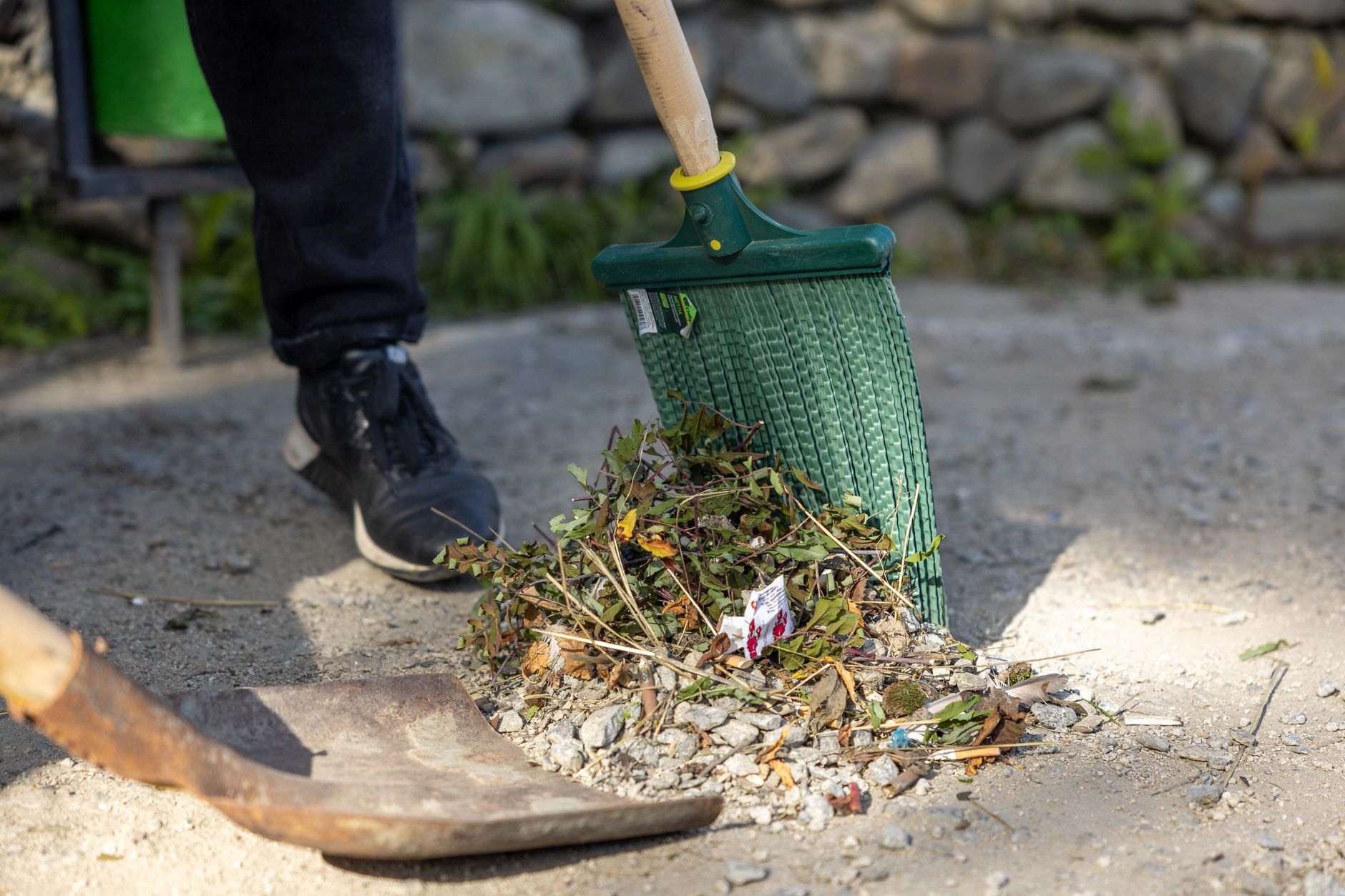
Most of the country has already felt that first cold snap in the morning air, and for a lot of gardeners that means one thing: the first frost is coming, if it hasn't already. Exactly when it arrives depends heavily on where you live and what USDA hardiness zone you're in, but the tasks themselves are mostly the same whether you're in Ohio or Georgia. This guide walks through the practical, no-nonsense steps to protect tender plants, put garden beds to bed for winter, and avoid the most common frost-related losses — plus where a garden center, nursery, or landscaper can help if a job is bigger than a weekend project.
"First frost" isn't a fixed date on a calendar — it's a local average, and actual timing swings by a week or two in either direction depending on the year. Gardeners in the upper Midwest and Northeast are often watching for frost by early-to-mid October, while much of the South and coastal areas don't see a hard freeze until November or later. If you're not sure where your area typically falls, your county extension office or a local garden center can usually tell you, since they track it every year to time their own fall plant sales and clearance.
It's worth distinguishing between a light frost (32°F, which damages the most tender annuals and tropicals) and a hard freeze (28°F or below, which kills back most perennials to the ground and can damage pipes and hoses). Plan your prep around the hard freeze date if you can, since that's the one that causes the real damage. Many garden centers post a rough "average first frost" reminder near their fall displays, which is a reasonable backup if you don't want to dig through weather records.
Garden Centers · Marengo, Ohio
Anything that spent the summer outside in containers — houseplants, tropical foliage, citrus in pots, herbs — needs to come inside before temperatures drop into the high 30s, not after. Tropical plants can suffer chilling injury well above actual frost temperatures, so don't wait for a frost warning to make the move.
Before bringing plants in, check them over for pests. Aphids, spider mites, and small slugs all hitch a ride indoors on container plants and are much easier to deal with outside than once they've spread to your houseplant collection. A simple hose-down or insecticidal soap treatment a few days ahead of the move is enough for most plants. Give pots a few days near a bright window before moving them to their permanent winter spot, since the drop in light levels alone can cause leaf drop even without cold stress.
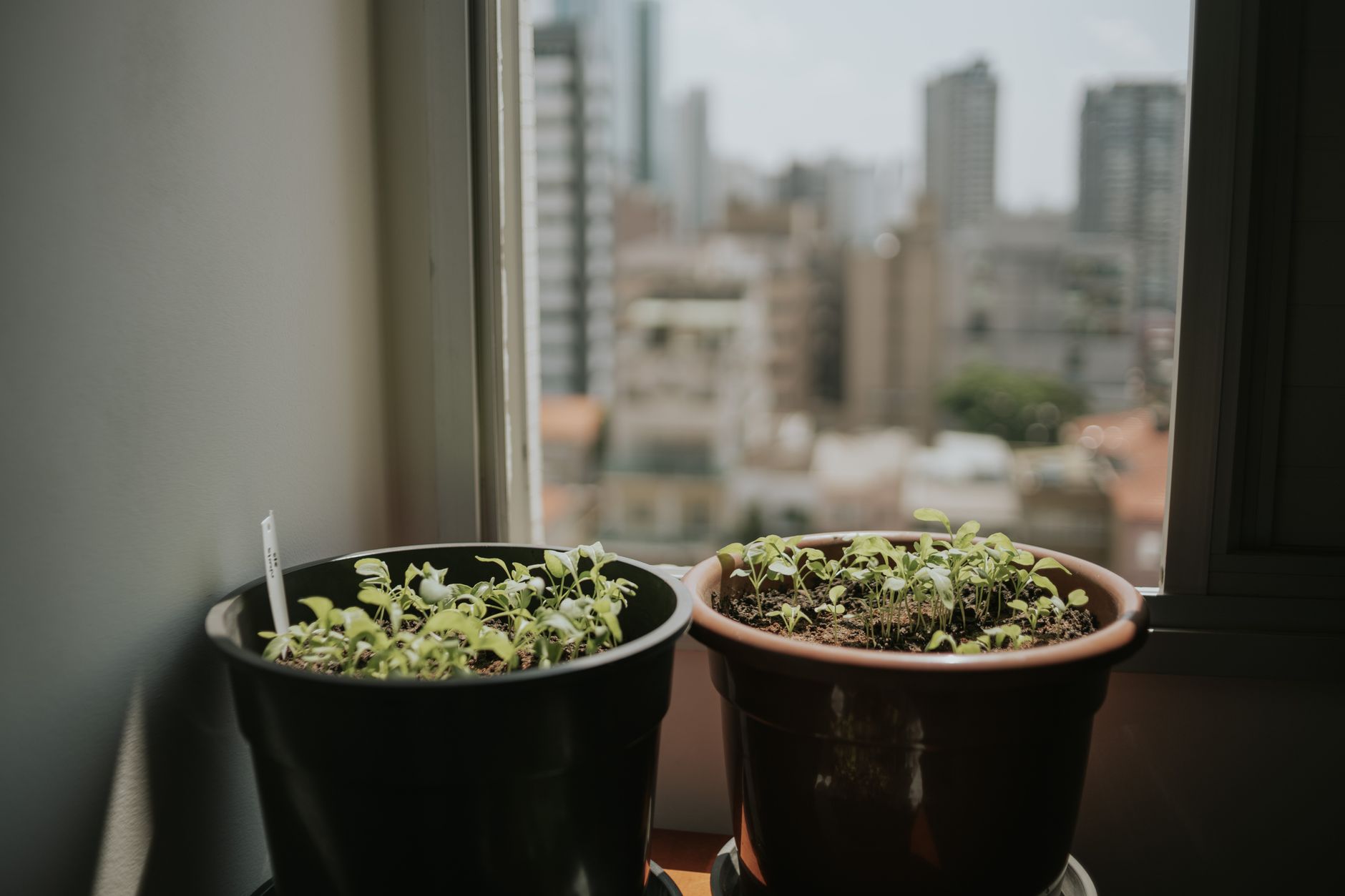
If you're not sure whether a particular plant can handle indoor winter conditions, a houseplant specialist or plant nursery can usually tell you what light and watering adjustments to make. City-based plant shops deal with this exact question every fall as customers bring in tropicals that spent the summer on a patio or balcony.
Plant Nurseries · Chicago, Illinois
A layer of mulch does double duty heading into winter: it moderates soil temperature swings (which is often more damaging to roots than the cold itself) and helps retain soil moisture through the dry winter months. Wait until after the ground has had its first light frost before mulching perennials — mulching too early can trap warmth and encourage new, tender growth that then gets hit hard by the next cold spell.
A 2–4 inch layer of shredded leaves, straw, or bark mulch around the base of perennials, roses, and newly planted shrubs is typically enough. Avoid piling mulch directly against stems or trunks, which can trap moisture against the bark and invite rot or rodents looking for a warm place to nest over winter.
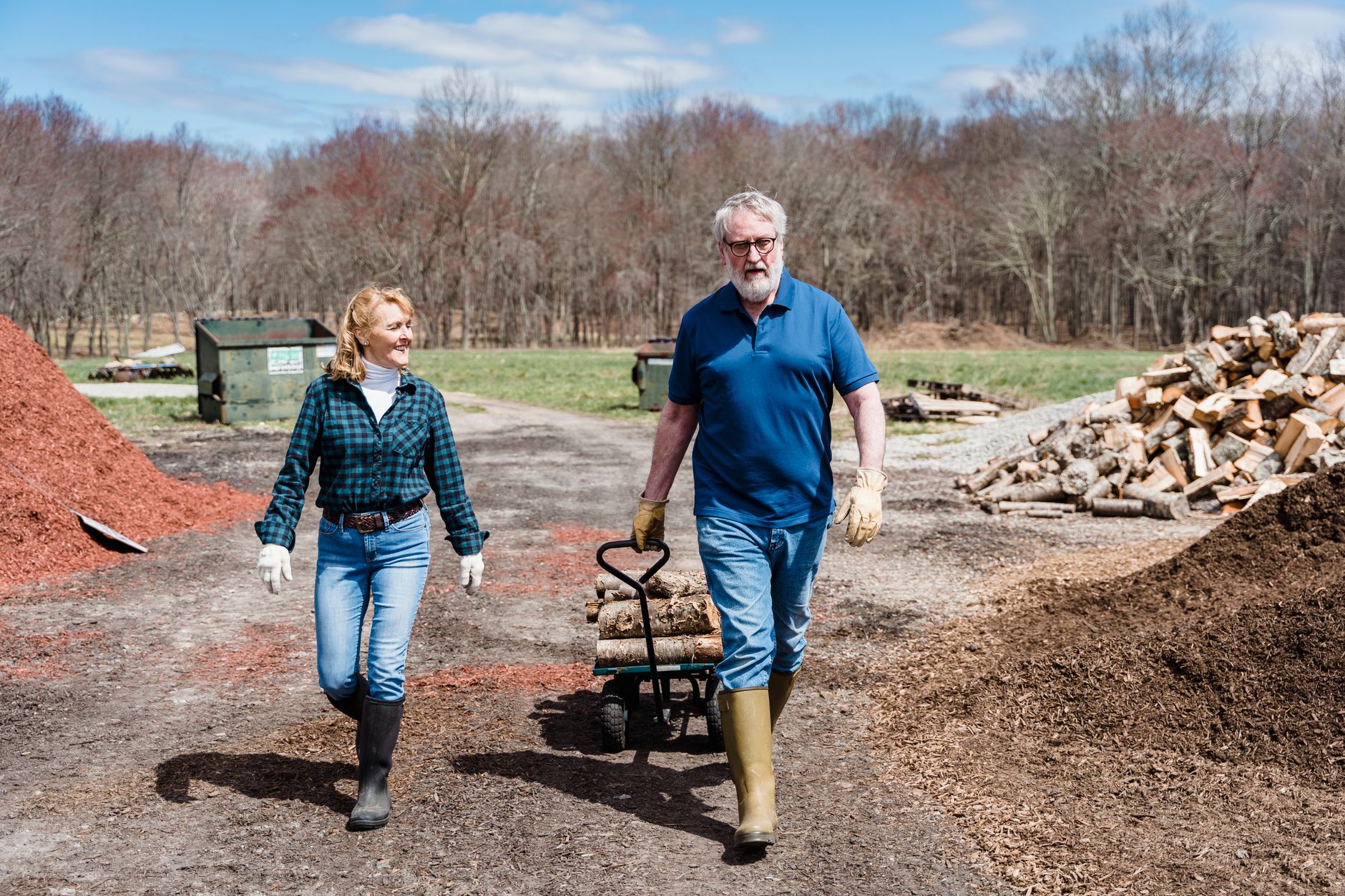
Garden centers typically keep mulch, straw, and bagged soil amendments in stock right through fall — two examples of garden centers that carry fall mulch and winterizing supplies alongside their plant stock are below, which is worth checking before a weekend mulching project so you're not making multiple trips.
Garden Centers · Columbus, Ohio
Garden Centers · Mechanicsburg, Pennsylvania
Trees and shrubs planted within the last year or two are the most vulnerable to winter injury, since their root systems haven't fully established. For these, and for anything rated borderline for your hardiness zone, a few extra steps make a real difference:
A local nursery can usually tell you which of your specific plants are considered borderline for your zone and need this extra attention versus which ones will shrug off a hard freeze without any help.
Frozen water inside hoses, drip lines, and backflow preventers is one of the most common and preventable sources of fall damage. Before the first hard freeze:
If your property has an in-ground irrigation system, this is usually a job for whoever installed or services it, since a proper blow-out with compressed air clears water from lines in a way a simple drain can't always match.
Tomatoes, peppers, and other frost-tender vegetables should be picked before a hard freeze, even if they're not fully ripe — green tomatoes will often finish ripening indoors on a windowsill. Cold-hardy crops like kale, carrots, and Brussels sprouts can usually tolerate a light frost just fine and, in the case of some greens and root vegetables, actually taste better after a light frost sweetens them.
Once a bed is finished for the season, pull spent annuals and diseased plant material (leave healthy perennial foliage in place where it can, since it provides some winter insulation and habitat). Diseased material should be removed rather than composted, since most home compost piles don't get hot enough to kill off fungal spores or overwintering pests.
| Task | Timing | Why it matters |
|---|---|---|
| Harvest tender vegetables | Before first light frost | Prevents total crop loss from a single cold night |
| Move tropicals/houseplants indoors | Before nights dip into high 30s°F | Chilling injury happens above actual frost temps |
| Apply mulch to perennials | After first light frost, before hard freeze | Too early can trap heat and trigger tender new growth |
| Drain hoses and irrigation | Before first hard freeze | Frozen water cracks hoses, pipes, and fittings |
| Wrap young tree trunks | Before consistent freezing nights | Prevents sunscald on thin bark |
Some fall garden prep goes beyond what's reasonable for a single weekend — clearing overgrown beds, aerating and overseeding a lawn before dormancy, pruning mature trees, or winterizing a larger irrigation system. For jobs at that scale, a landscaping company or arborist can get the work done before the ground freezes in a fraction of the time, and can flag issues (like a dying tree limb that could come down in a winter storm) that are easy to miss from the ground. Below is one example of a landscaping service that handles this kind of seasonal cleanup in the Cleveland area.
Landscapers · Parma, Ohio
If you're searching for help, start with the directory's landscapers listings or browse by city to compare what's nearby.
If you're gardening in California, the Gulf Coast, or other areas with a late or mild first frost, most of this still applies — just on a slower timeline. Tender perennials and citrus in marginal zones still benefit from mulch and a plan for the occasional cold night, even if a hard freeze is rare. It's also a good time to plant cool-season vegetables and perennials while the soil is still workable, since fall planting in mild climates gives roots a head start before summer heat returns.
Garden centers further north keep a close eye on this timing too, since it affects their own fall sales — one example from upstate New York is below.
Garden Centers · Poughkeepsie, New York
Frost prep isn't complicated, but it's easy to put off until it's too late for plants that can't take even one bad night. The highest-value, lowest-effort steps are: know roughly when your first hard freeze tends to land, move tender containers inside before a cold snap (not during one), mulch perennials after the first light frost, and drain anything holding water before a hard freeze hits. Handle those four and most of what a garden actually loses to cold weather each year is avoidable. For anything bigger — tree work, irrigation winterizing, or a bed that's gotten away from you — a local nursery, garden center, or landscaping service can usually fit you in before the ground freezes for good.

09 Oct 2026 · 8 min read
What actually drives a landscaping quote in 2026 — materials, labor, hardscaping and irrigation — and how to get quotes you can fairly compare.
landscaping costs hardscaping lawn care
08 Oct 2026 · 8 min read
What to plant in October depends on your climate zone — here is what warm, transitional, and cold-zone gardeners should be doing this month.
fall planting hardiness zones trees and shrubs
07 Oct 2026 · 8 min read
Where to shop for plants, mulch, feed and irrigation around Orlando this fall, with a guide to which business type fits which project.
Orlando Florida fall planting