


14 Oct 2026 · 8 min read
Houseplant Care Basics for Fall and Winter 2026
What actually changes for houseplants once the heat comes on, from watering and light to humidity and pests.
houseplants plant care indoor plants15 October 2026 · 9 min read
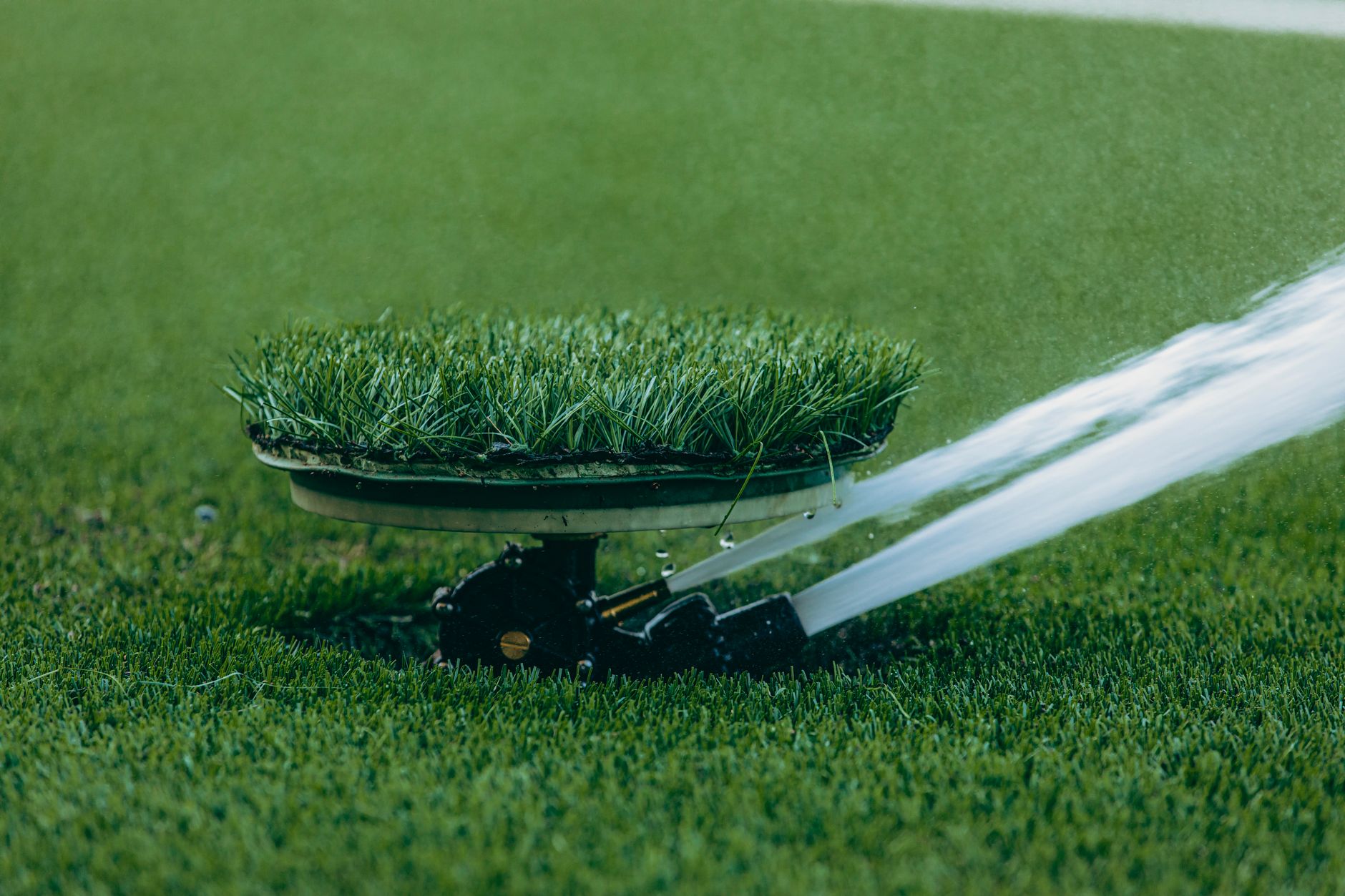
Most irrigation systems don't fail in winter from the cold itself — they fail because water left sitting in the pipes expands when it freezes and splits fittings, valves, and backflow preventers from the inside. The damage is usually invisible until the system is turned back on in spring, at which point a single cracked fitting can mean a flooded yard or a four-figure repair bill instead of a routine fall chore. The same logic applies to anything else in the garage that still has fuel, oil, or water sitting in it when temperatures drop.
None of this requires special skill, just the right order of operations and roughly an hour on a weekend before the first hard freeze. Here's what actually needs to happen to a sprinkler system, garden hoses, and lawn equipment before winter — and when it's worth calling in a contractor instead of doing it yourself.
Water is one of the few common substances that expands as it freezes rather than contracts. Inside a rigid PVC pipe, a fitting, or a plastic valve body, that expansion has nowhere to go, so the surrounding material cracks. The failure often doesn't show up immediately — a hairline crack in a valve can sit dormant all winter and only start leaking once the system is pressurized again in spring.
The parts most at risk are the ones most exposed to cold air: backflow preventers and above-ground risers take the brunt of it, but any section of buried pipe in a shallow trench, or any water trapped in a low spot that doesn't drain by gravity, is vulnerable too. The goal of winterizing isn't to protect the pipes from cold air directly — it's to make sure there's no standing water left inside them for the cold to act on.
Before draining anything, shut off the water supply to the irrigation system at its dedicated shutoff valve, not just at the controller. Turning off the controller stops the system from running on schedule, but it doesn't stop water from sitting in pressurized pipes, which is the actual risk. Most residential systems have a dedicated isolation valve near where the irrigation line splits off from the main household water supply; find it before winter, not during an emergency.
Once the water is off, turn the controller to "off" or "rain delay" rather than unplugging it entirely in most cases — many controllers retain their programming on battery backup, but it's worth checking the specific model's manual so the schedule doesn't need to be rebuilt from scratch in spring.
Shutting off the supply doesn't remove the water already in the pipes; that still has to be drained out. There are three common approaches, and which one applies depends on how the system was originally installed.
| Method | How it works | What it takes | Best suited for |
|---|---|---|---|
| Manual drain valves | Low-point valves are opened by hand and gravity empties the pipes | Nothing beyond the valves already built into the system | Systems installed with manual drain valves at low points |
| Automatic drain valves | Valves open on their own once internal pressure drops after shutoff | Nothing — the valve does the work once pressure is released | Systems designed from installation with auto-drain valves |
| Compressed-air blow-out | An air compressor forces remaining water out through each sprinkler head in sequence | An air compressor sized correctly for the pipe diameter, plus the right fitting at the backflow preventer | Systems without low-point or auto-drain valves, and most larger or zoned properties |
The blow-out method is the one most likely to cause damage if done wrong — too much pressure from an oversized compressor can crack pipes or blow seals out of valves, which is the opposite of the intended result. If a system doesn't already have manual or automatic drain valves and the household doesn't have a compressor rated correctly for the job, this is the point where hiring a local irrigation contractor is usually worth the cost rather than guessing with rented equipment.
Irrigation Supplies · Round Rock, Texas
Backflow preventers are typically the most exposed, most expensive-to-replace component in a residential system, and the most common point of freeze damage. After draining, open any test cocks or bleed valves on the backflow preventer so no water is trapped inside its body, and leave them open through winter. Some local codes or manufacturers also call for an insulated cover over above-ground backflow devices in colder climates — check what applies locally before assuming insulation alone is enough, since an insulated cover slows heat loss but doesn't replace draining the water out first.
Any exposed above-ground piping, risers, or valve boxes in a shallow trench are next most at risk. A foam pipe sleeve or an insulated valve box cover is inexpensive protection for the parts that can't simply be drained, such as a shutoff valve housed in an outdoor box.
Homeowners with a simple system, built-in drain valves, and a mild climate can often winterize a system themselves in well under an hour. The calculation changes with a larger or zoned system, a backflow preventer that requires the blow-out method, or a region where a missed step means a genuinely expensive repair rather than a minor inconvenience. A local irrigation contractor who services the same make and model of controller and valves all season is also faster at diagnosing whether a system actually has auto-drain valves in the first place — a detail that isn't always obvious from the surface.
Sprinkler & Irrigation Contractors · Cedar Hill, Texas
In the Dallas–Fort Worth area, Cedar Hill, Texas has irrigation contractors who handle this as routine seasonal work; the directory's sprinkler and irrigation contractor listings for the area are a starting point for comparing who's currently taking fall winterization appointments.
Garden hoses left attached to an outdoor spigot over winter can trap water that freezes back into the spigot itself, which is a separate failure point from the irrigation system. Disconnect and drain every hose, coil it for storage somewhere it won't crack from cold, and install an insulated faucet cover on any exposed outdoor spigot, even one without a hose attached.
Rain barrels need the same basic treatment: drain them fully before the first hard freeze, since a barrel full of water that freezes can crack its own walls or seams. Many rain barrel owners in colder climates disconnect the barrel from the downspout for winter and flip it upside down or store it somewhere protected, then reconnect it once the freeze risk has passed in spring.
Irrigation isn't the only thing that benefits from fall attention. A final mow at a slightly lower height than the summer setting helps prevent matting and snow mold under fallen leaves and early snow, while mowing too short can expose the crown of the grass to winter stress — most lawn care guidance points to a middle setting for the last cut or two of the season rather than either extreme.
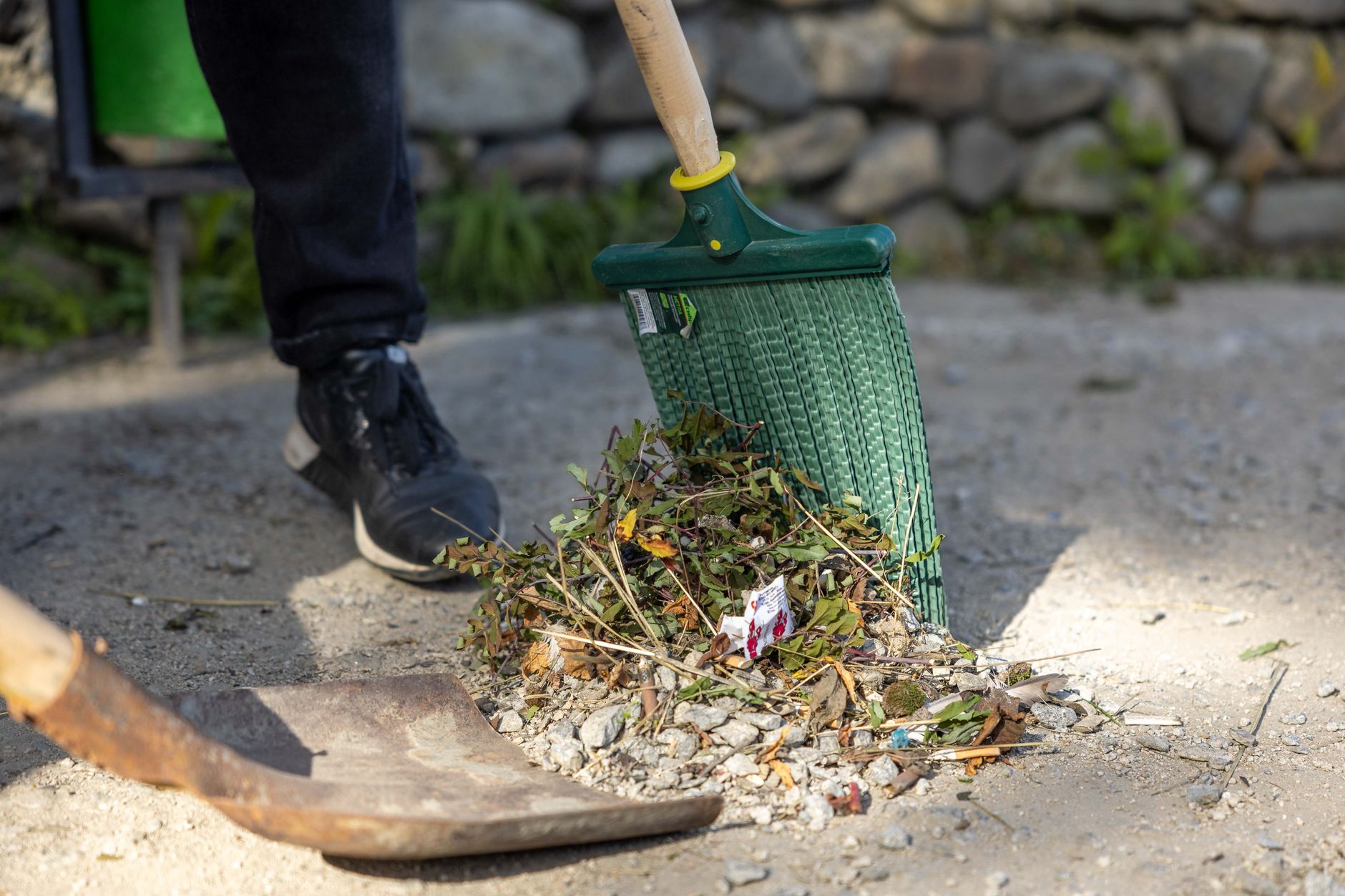
Clearing fallen leaves before they mat down over the grass matters more than most homeowners expect — a thick, wet layer of leaves left over winter can smother and kill patches of lawn underneath by spring. Aerating and a final fertilizer application timed for fall growth are also common parts of a lawn care company's late-season visit, though the right timing and products vary by grass type and region, which is where a local lawn care service that already works in the area's specific soil and climate is useful.
Lawn Care Services · Olympia, Washington
In Olympia, Washington, the directory's lawn care service listings cover companies already doing this kind of seasonal work locally.
Gas-powered mowers, trimmers, and other small engines shouldn't simply be parked for the winter with a tank full of fuel still inside. Gasoline left sitting over several months can degrade and gum up a carburetor, which is one of the most common reasons a mower won't start reliably the following spring. Running the engine until the tank is empty, or using a fuel stabilizer according to the product's instructions, addresses most of that risk; draining the oil and refilling with fresh oil before storage is the other half of a proper off-season.
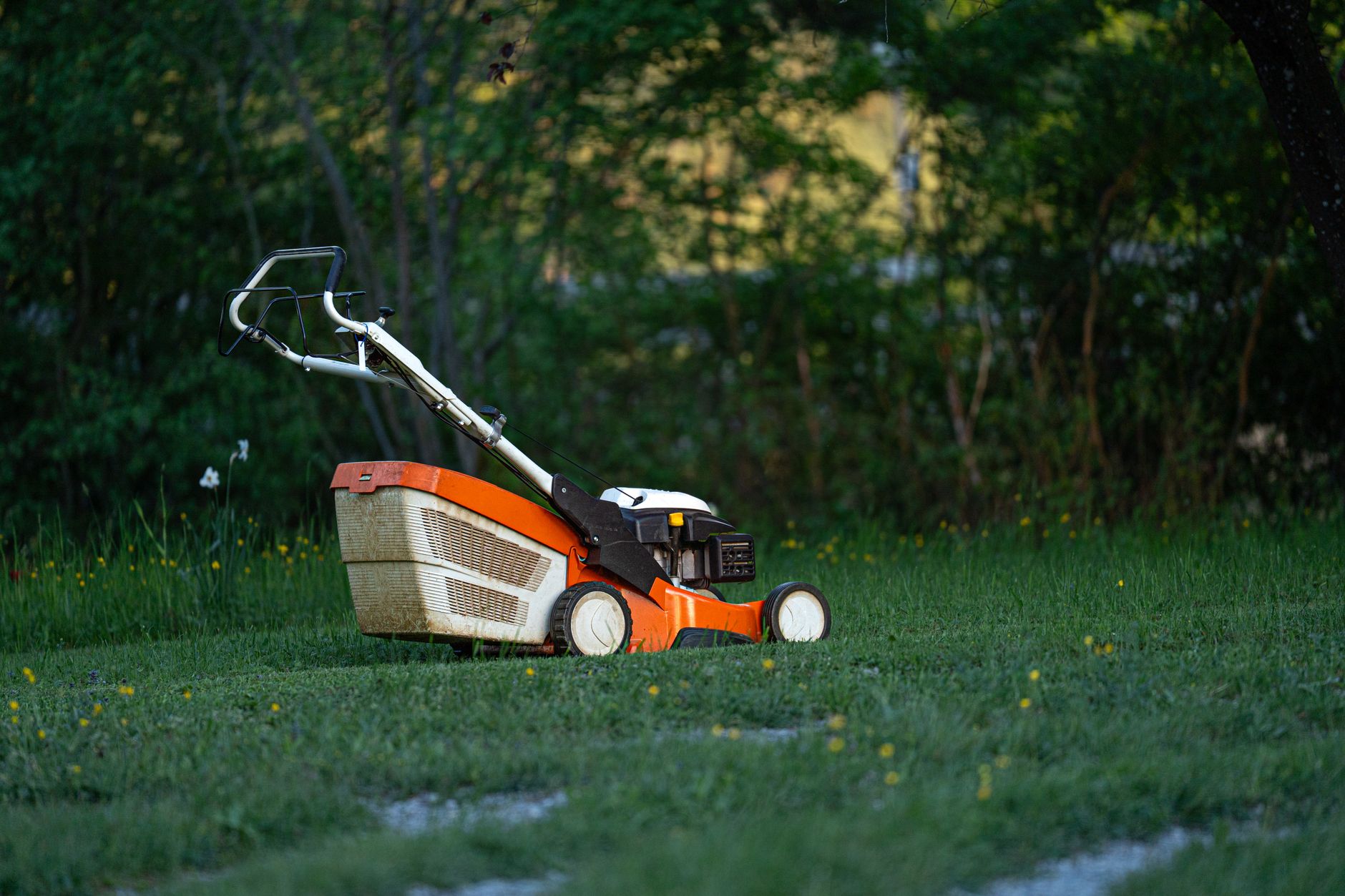
Cleaning grass and debris off the mower deck before storage also matters — built-up clippings hold moisture against metal and accelerate rust over a season of sitting idle. A local small-engine repair shop is worth a visit before storage, not just after a breakdown, if a mower had any trouble starting or running unevenly during the last season; catching a worn spark plug or dirty air filter in fall is a smaller job than diagnosing a no-start in spring when every other mower in town is also coming in for service.
Lawn Mowers & Outdoor Power Equipment · Johnson City, Tennessee
Lawn Mower & Small Engine Repair · El Mirage, Arizona
In Johnson City, Tennessee and El Mirage, Arizona, the directory's outdoor power equipment and small engine repair listings cover shops that handle this kind of seasonal service and storage prep.
If a hard freeze already happened before any of this got done, the first sign of a problem is often a wet or soggy spot in the yard once the system runs again, or a hissing sound near a valve box. Before turning the irrigation controller back on for a test run, visually check backflow preventers and exposed valve boxes for obvious cracks, and consider running just one zone at a time at first rather than the whole system, so a failure is easier to isolate. A contractor can usually pressure-test a system section by section faster than trial and error at home, which matters if the alternative is a flooded trench discovered too late.
A hardware store that stocks insulated faucet covers, pipe foam, fuel stabilizer, and basic valve parts covers most of what this list requires without a special order.
Hardware & Home Improvement Stores · Rockford, Illinois
In Rockford, Illinois, the directory's hardware store listings are a starting point for finding winterizing supplies locally; for irrigation-specific parts and fittings, the irrigation supply category covers stores that carry backflow and valve components year-round.
Winterizing an irrigation system comes down to three things in order: shut off the water supply at its isolation valve, get every bit of standing water out of the pipes and backflow preventer using whichever drain method the system was built for, and insulate or protect whatever can't be fully drained. Pair that with draining fuel or stabilizing it in mowers and small engines, and a few hours of fall maintenance avoids the much larger cost — in money and in a flooded or dead patch of lawn — of a freeze working on a system that was never prepared for it.
14 Oct 2026 · 8 min read
What actually changes for houseplants once the heat comes on, from watering and light to humidity and pests.
houseplants plant care indoor plants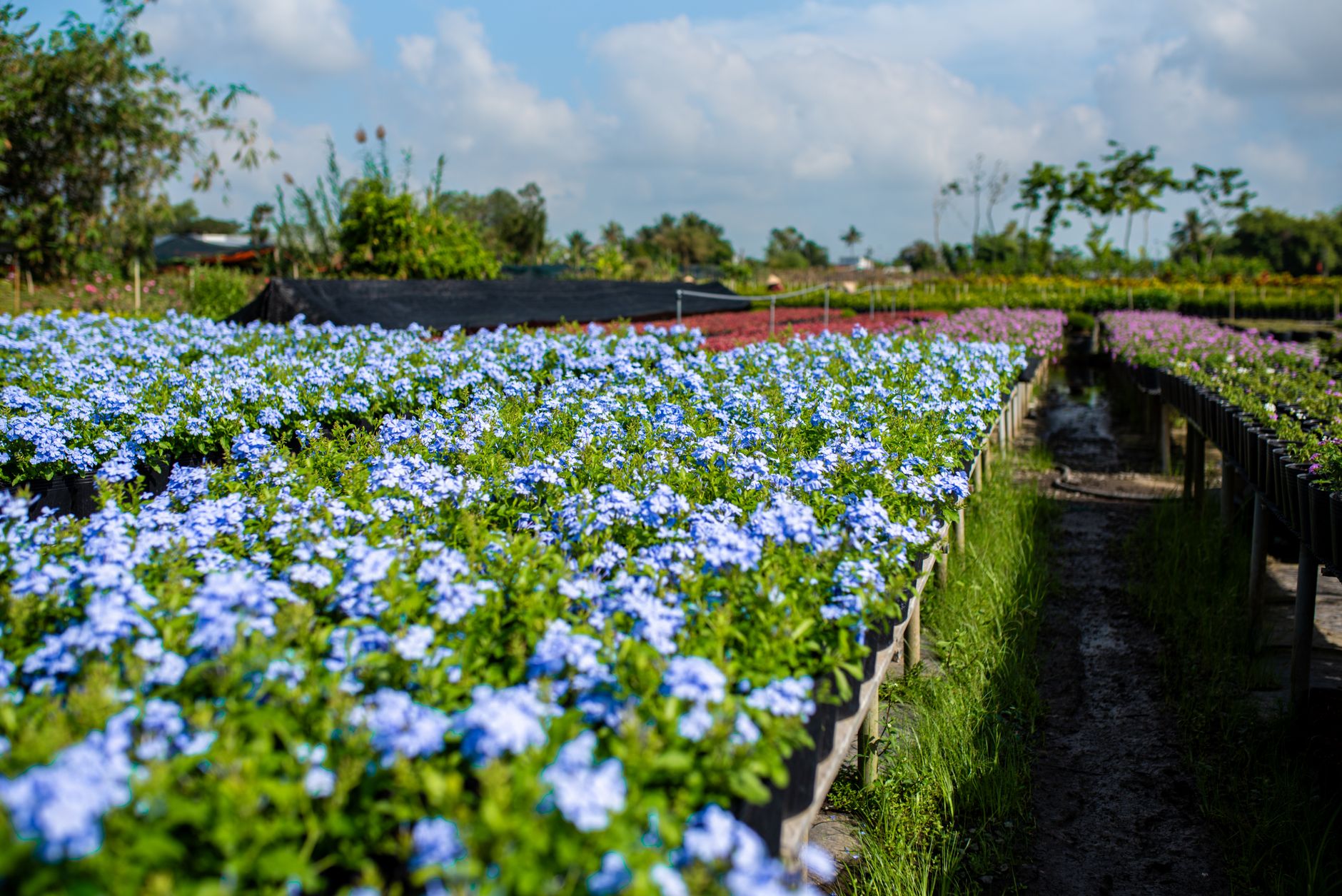
13 Oct 2026 · 8 min read
Where to shop for fall plants, bulbs and indoor growing supplies around Chicago, from garden centers to a wholesale nursery and a public conservatory.
Chicago Illinois fall planting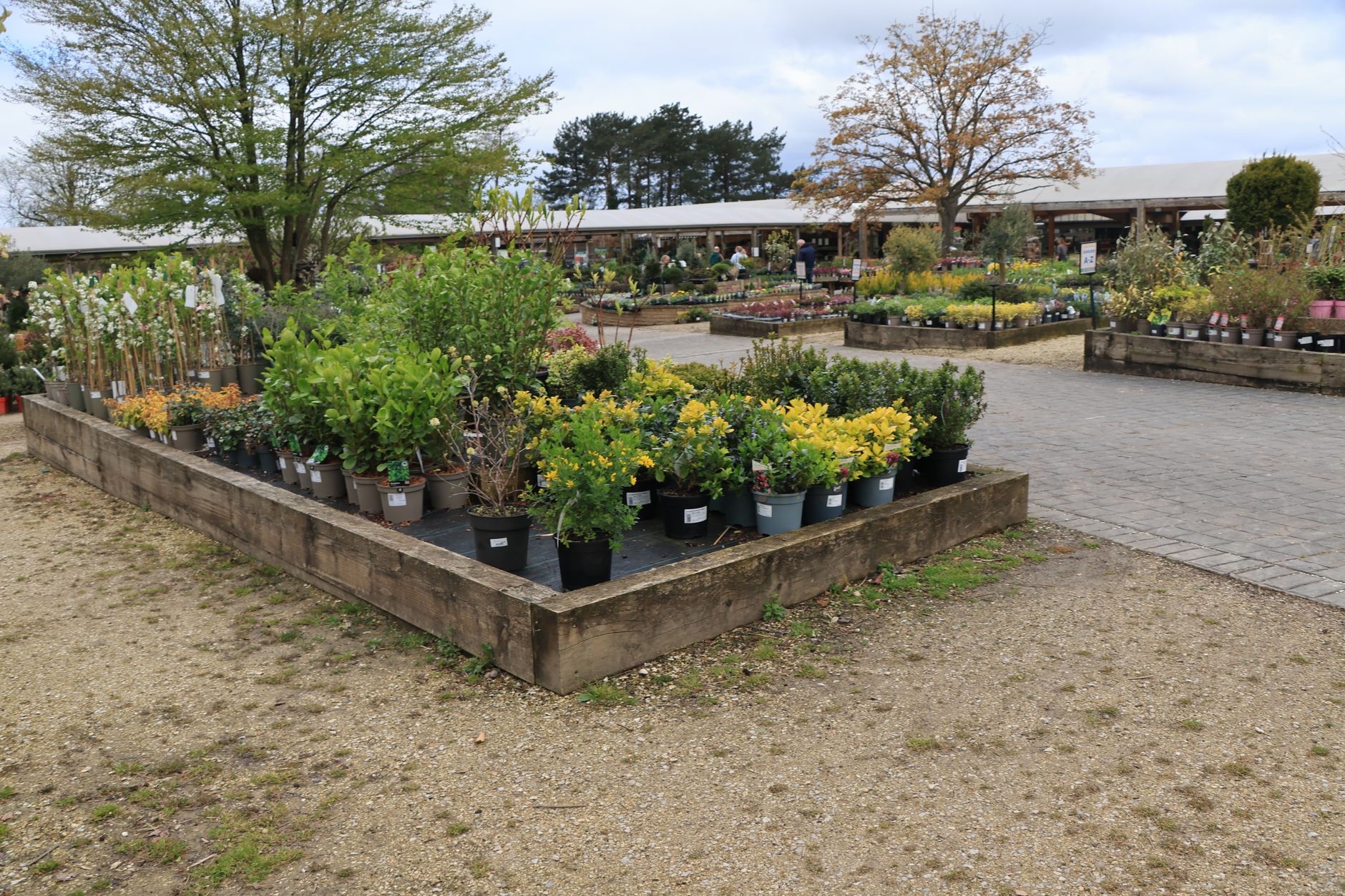
12 Oct 2026 · 8 min read
Where to shop for native plants, mulch and ranch supplies around Austin this fall, and which business type fits which project.
Austin Texas fall planting