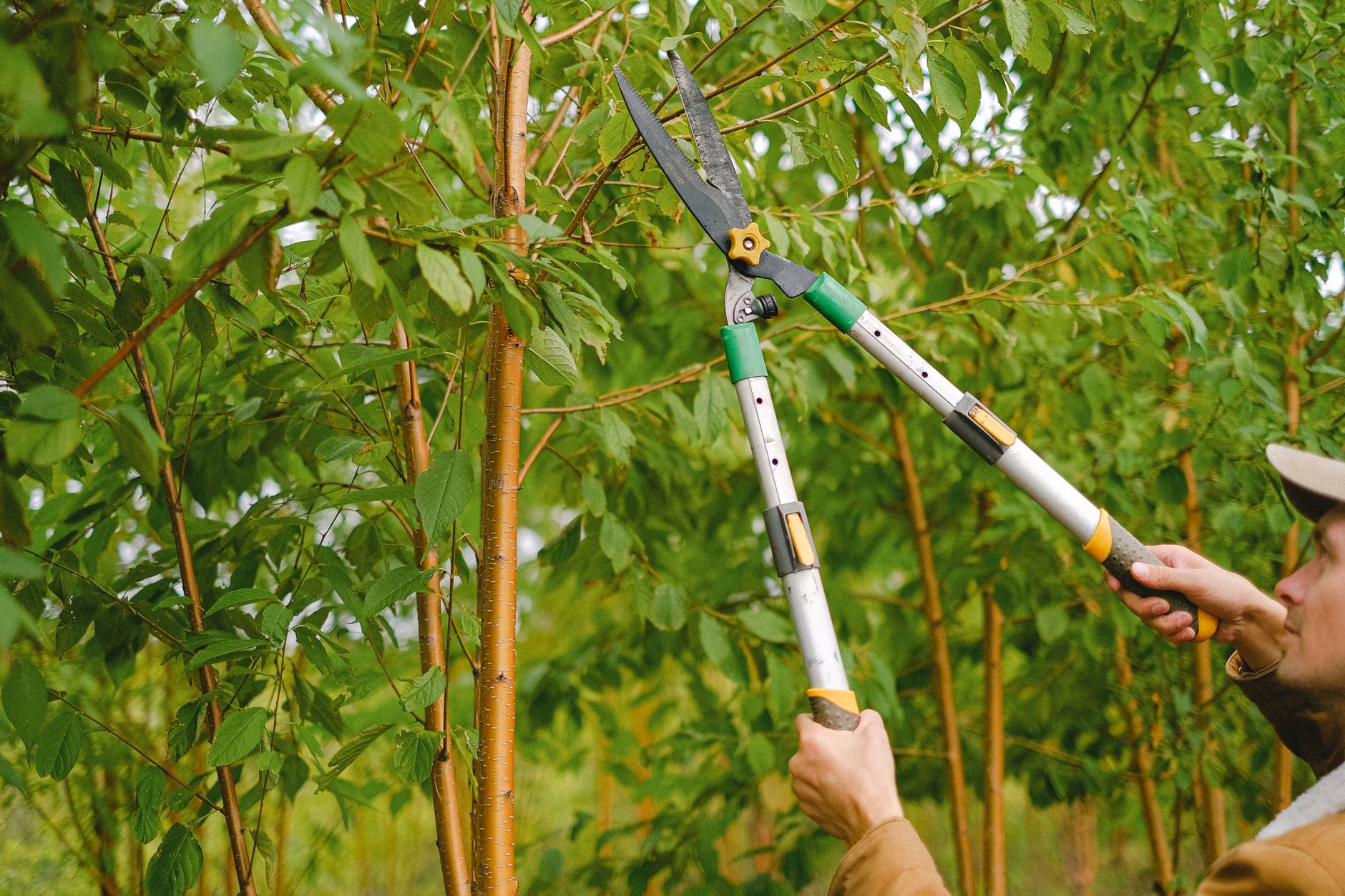
Miami sits in USDA hardiness zones 10b and 11, which means the local garden trade looks different from almost anywhere else in the continental United States. There's no real frost to plan around, foliage plants that are houseplants up north grow as hedges here, and the shopping list for October looks a lot more like "what to plant before the dry season" than "what to protect before the first freeze." For anyone furnishing a yard, a lanai, or a condo balcony in Miami, Florida, the city's garden centers, growers and specialty nurseries reflect that climate directly in what they stock.
This guide walks through the kinds of places the directory lists in Miami: general garden centers, the tropical and specialty plant growers the city is known for, water-garden suppliers, and the farm-and-feed and landscaping side of the trade. It sticks to what each listing actually shows — category, address, rating and review count — rather than guessing at inventory or pricing that can change by the week.
Miami-Dade County is large and its garden trade is spread across it, from the urban core near Brickell and Little Havana to the agricultural Redland area in the south. The businesses below are a sample of what shows up under the city of Miami in the directory, not a complete census, and several nearby cities — Hialeah, Coral Gables, Miami Beach and Homestead among them — carry their own separate listings worth checking for a specific neighborhood.
Why Miami's climate reshapes the shopping list
In most of the country, fall means digging in bulbs, mulching beds before a freeze, and bringing tender plants indoors. In Miami, the growing calendar runs the other way. Summer's heat and humidity are brutal on new plantings, so many gardeners wait for the slightly drier, cooler stretch from October through April to put trees, shrubs and palms in the ground. That makes early fall one of the busiest seasons at local nurseries, even without a frost date driving the rush.
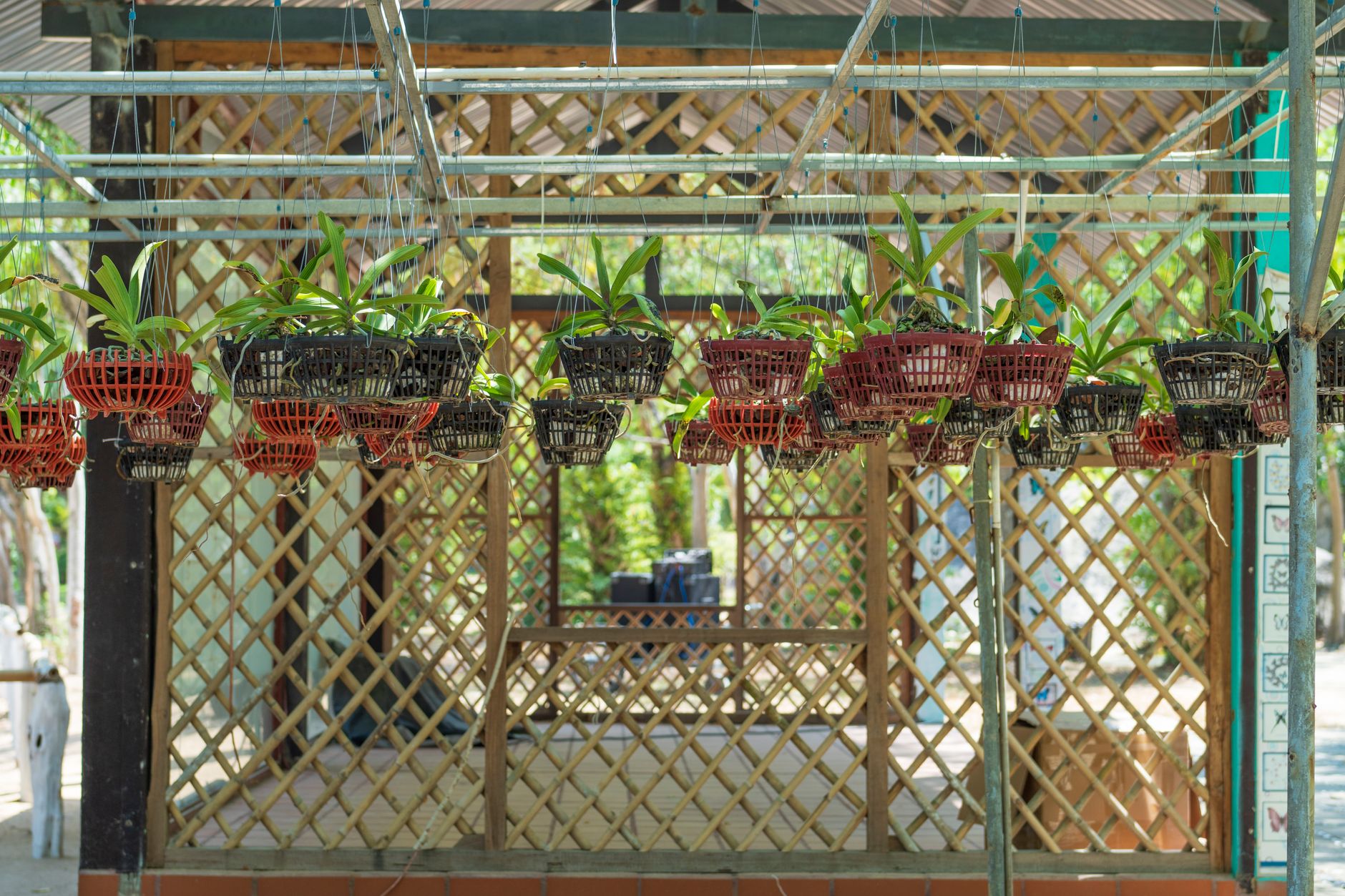
It also means the plant palette skews tropical and subtropical: hibiscus, crotons, bougainvillea, citrus, mango and avocado trees, orchids, bromeliads and a long list of palms share shelf space with the hedging plants — cocoplum, podocarpus, clusia — that do the heavy lifting in South Florida landscaping. Garden centers here routinely carry stock that a nursery in Minnesota or Michigan would only sell as a houseplant.
The soil is different too. Much of Miami-Dade sits on oolitic limestone with a thin layer of sandy, alkaline topsoil, which rules out plants that need acidic conditions unless a gardener is prepared to amend beds heavily. That's one more reason a conversation with a local nursery or garden center, rather than a generic planting guide written for average American soil, tends to save a new plant from struggling.
General garden centers and plant shops
Miami's garden centers are a good starting point for anyone outfitting a yard from scratch, since they tend to carry a broad mix of plants, pots, soil and basic hardscape materials rather than specializing in one category.
Casaplanta has built up a large number of customer reviews over the years, which is one sign of a shop that locals return to repeatedly rather than visit once. Flora of Miami is smaller but carries a five-star rating from the reviews on file. Neither listing claims to offer delivery or installation — if that matters for a project, it's worth confirming directly with the business rather than assuming.
A few garden centers in Miami lean toward the hydroponics and indoor-growing side of the trade as well:
TD Supply's listing places it in the garden-center category but its name points to a hydroponics and indoor-grow supply focus, which is a useful reminder to check a listing's website before a special trip — categories on any directory, this one included, are a starting filter, not a guarantee of exact product mix.
Specialty growers: bonsai, tropical fruit and wholesale nurseries
Miami's growing conditions have made it a center for several plant specialties that are harder to find farther north. The specialty plant and plant nursery categories in the directory include several bonsai specialists and fruit-tree growers with strong review histories.
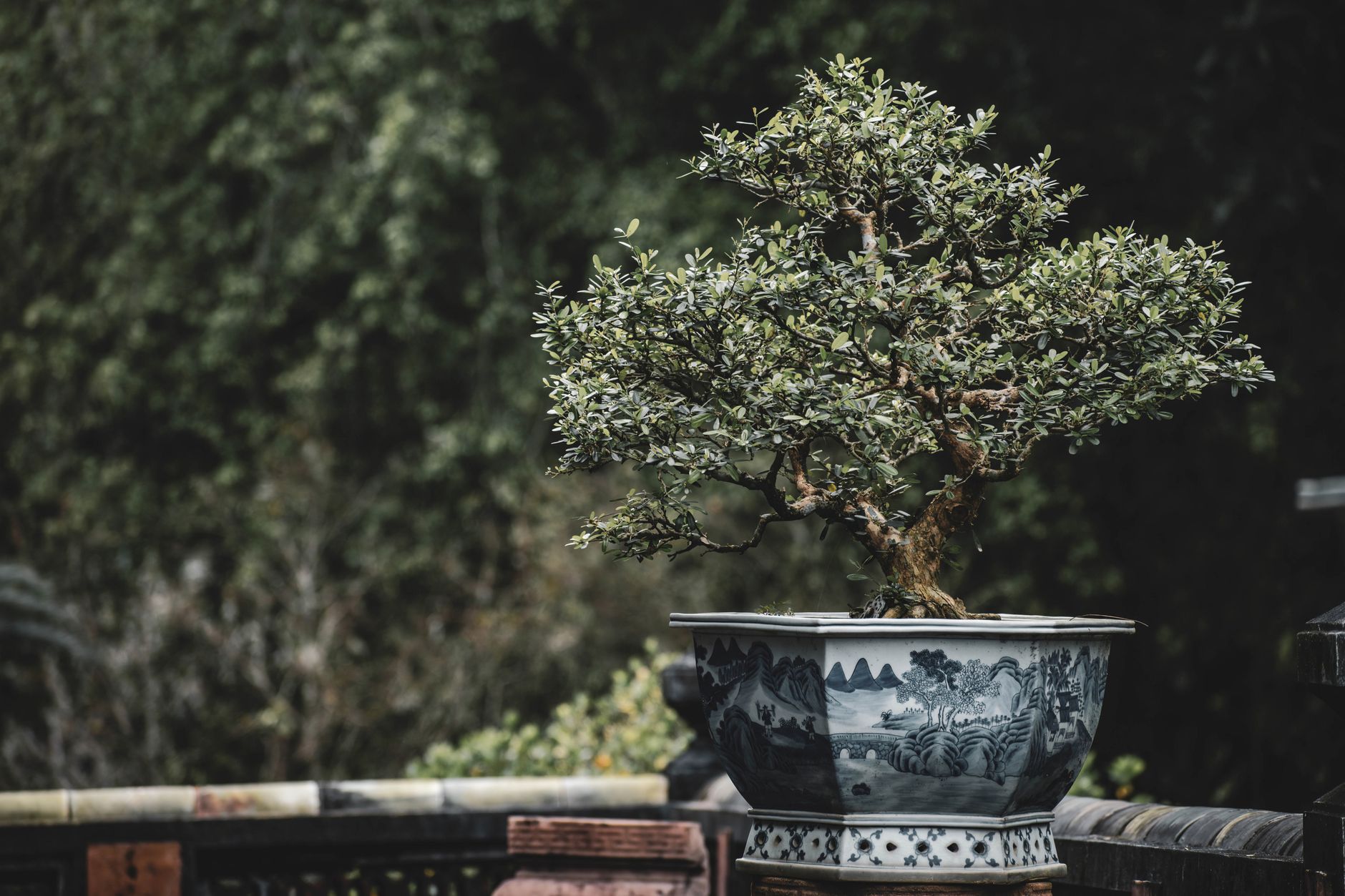
Miami Bonsai Specialist has one of the highest review counts of any bonsai-focused business in the directory's Florida listings, with a perfect average rating across hundreds of reviews. Bonsai culture in South Florida benefits from the warm, humid climate, which lets tropical species like ficus and Brazilian rain tree bonsai grow outdoors year-round instead of needing winter protection.
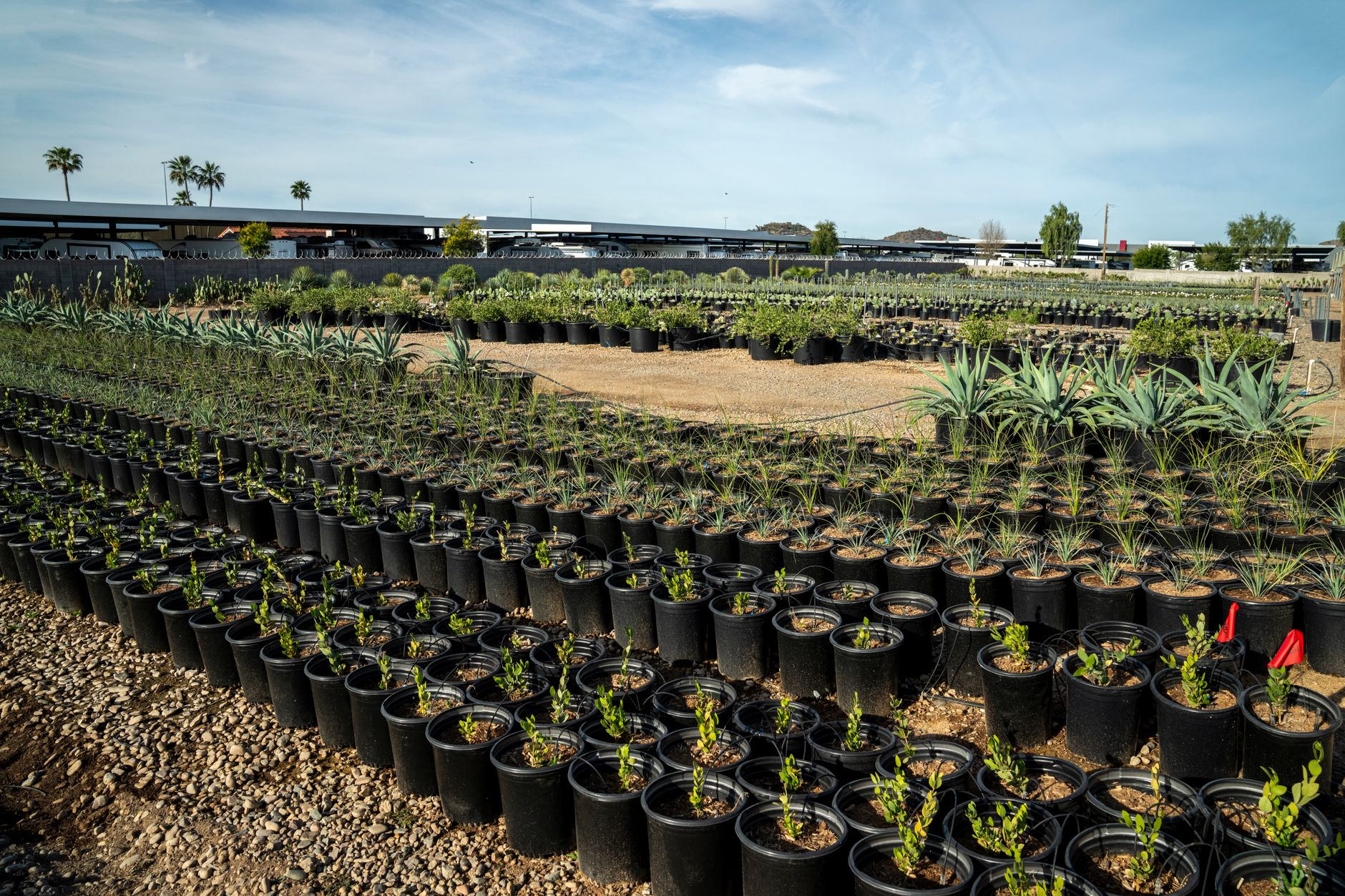
Pine Island Nursery's listed website points to a tropical fruit tree specialty, which fits the broader pattern in Miami-Dade County, where backyard mango, avocado, lychee and citrus trees are common enough that dedicated fruit-tree growers can run a full retail and wholesale business around them. Ring a Bell Farms carries a perfect rating across a couple hundred reviews, which is a meaningfully larger sample than many single-location nurseries accumulate.
A broader selection of ornamental and houseplant-focused nurseries also appears in the directory's Miami listings:
Richard Lyons' Nursery has one of the longer operating histories among Miami's plant nurseries judging by its review volume, and Miami Plants carries a near-perfect rating across well over a hundred reviews. Between the two, the directory's plant-nursery category in Miami covers everything from rare tropical specimens to the more everyday foliage plants used in routine landscaping.
Water gardens and landscaping help
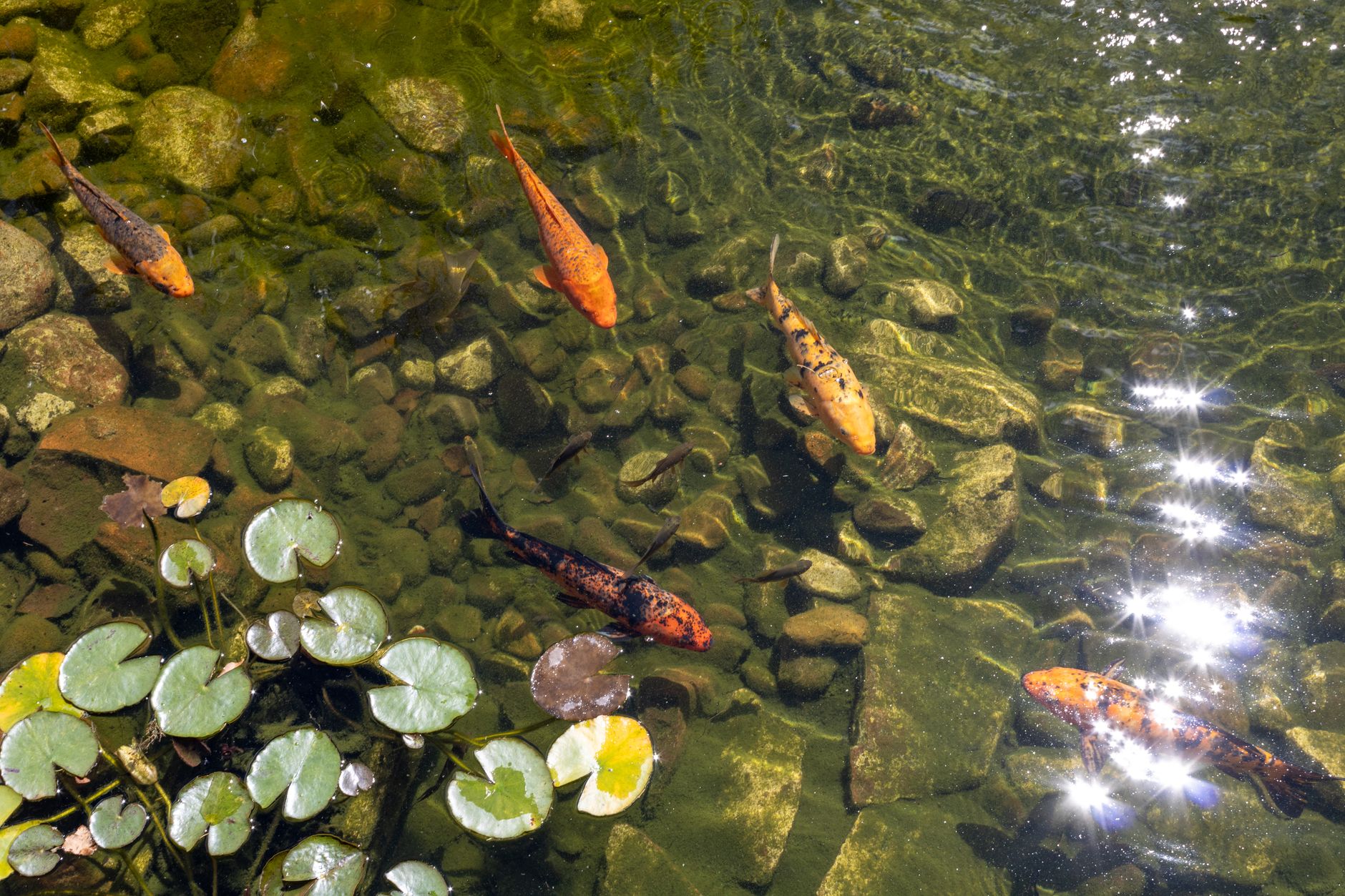
South Florida's warm weather supports outdoor koi ponds and water gardens as a year-round feature rather than a seasonal one, and the directory's ponds and water gardens category in Miami includes at least one well-reviewed specialist.
For anyone who would rather hire out the planting and design work, Miami's landscapers category includes businesses that work directly with the tropical palette described above.
PlantScape Miami's listing shows a perfect rating, though as with any landscaping contractor, it's worth asking directly about current service areas, lead times and any licensing or insurance documentation before committing to a project — none of that is something a directory listing can verify on a business's behalf.
Farm and feed supply
Miami-Dade County still has a working agricultural side, particularly toward the Redland area, and that shows up in the farm, feed and ranch category.
Hialeah Farm Supply carries a strong rating across well over a hundred reviews, the kind of volume that suggests a business serving a steady base of repeat customers rather than occasional shoppers. Farm and feed stores are also a practical stop for fertilizer, soil amendments and pest-control products suited to Florida's sandy, often alkaline soils — a different set of needs than the clay or loam soils common elsewhere in the country.
Feed and farm stores in a market like Miami also tend to serve a wider customer base than the name suggests, from backyard chicken keepers to hobby fruit growers who need bulk soil amendments rather than the small retail bags sold at a typical garden center. Checking what a specific store carries before a trip is worth doing, since inventory at these businesses can lean more agricultural than ornamental depending on the week.
Comparing the categories at a glance
Category
What it's generally for
Example listing
Garden centers
Broad mix of plants, soil, pots, basic supplies
Flora of Miami
Plant nurseries
Larger-scale growing, often fruit trees or wholesale stock
Pine Island Nursery Inc.
Specialty plants
Bonsai, orchids, cacti and other focused collections
This isn't a ranking of which category is "best" — it's a map of what to search for depending on the project. A backyard refresh usually starts at a garden center; a serious fruit-tree planting or a themed collection like bonsai usually means going to a specialty grower instead.
Shopping tips specific to South Florida
A few practical notes apply to Miami more than to most other US markets. First, confirm plant hardiness and salt tolerance if the property is anywhere near the coast — not every attractive tropical plant handles salt spray or the alkaline, rocky soil common across Miami-Dade. Second, October still falls within the back half of Atlantic hurricane season, so newly planted trees, especially larger specimens, benefit from careful staking and placement rather than being set out right before a forecasted storm. Third, because many Miami nurseries and garden centers are smaller, family-run operations, hours can vary by season and by day — checking a listing's hours before a special trip, rather than assuming standard retail hours, avoids a wasted drive.
Finally, because categories on any plant directory are assigned from the dominant business type rather than a full inventory, a "garden center" might carry hydroponics equipment, and a "plant nursery" might specialize heavily in one species. When a specific plant or product is non-negotiable, a quick check of the business's own website or a phone call before visiting saves time, especially for destinations outside the immediate neighborhood.
The takeaway
Miami's warm-climate garden trade is organized around tropical and subtropical plants that most of the country only sees as houseplants, and the city supports real specialization — bonsai growers with hundreds of reviews, dedicated fruit-tree nurseries, and aquatic-garden specialists — alongside the general garden centers every city has. For an October project, that means the practical path is usually: start at a general garden center for the basics, then go to a specialty grower for anything unusual, and factor hurricane-season timing into when larger trees go into the ground. Checking each business's current hours and stock directly remains the most reliable step before making a special trip, since no directory listing can substitute for that last confirmation.