Every fall, the same calls come in to arborists and tree care companies: a maple dropped a widow-maker limb in the last windstorm, a leaning pine is making the neighbors nervous, or a row of overgrown shrubs finally needs a hard cutback before winter. And every homeowner who gets two or three quotes for the same job asks the same question — why is one bid three times the other?
Tree work is one of the hardest home services to price from the outside, because the final number depends on variables most people never think to ask about: trunk diameter, how close the tree stands to a roof or power line, whether the crew has to climb or can reach everything with a bucket truck, and what happens to the wood and brush afterward. This guide walks through what actually drives tree service pricing, the difference between pruning, removal and emergency work, and the questions worth asking before you sign anything. It does not quote specific dollar figures — rates vary by region, insurance costs, and the individual company — so always check current rates directly with the business.
Tree companies don't price by the hour the way a lot of home services do — most build an estimate around the specific tree and site. The factors that matter most:
Height and trunk diameter. A 20-foot ornamental and an 80-foot oak are different jobs even if both just need deadwood removed. Bigger trees take more rigging, more time aloft, and more wood to process afterward.
Species and wood density. Dense hardwoods like oak and hickory take longer to cut and haul than soft woods like pine or poplar, and some species (certain oaks, elms) require extra care around disease spread.
Access. A tree in an open front yard is a different bid than one wedged between a fence, a shed, and a neighbor's driveway. Tight access usually means more time, smaller equipment, or hand-carrying brush instead of using a chipper truck.
Proximity to structures and power lines. Work near a roof, a garage, or overhead utility lines requires more caution, sometimes a utility company shutoff, and often a different crew configuration.
Stump handling. Removal and stump grinding are usually priced separately. Grinding a stump flush with the ground is a different job from full stump and root removal.
Debris disposal. Some companies haul away all wood and brush as part of the quote; others leave cut rounds for firewood on request, or charge separately for hauling. Ask what's included before you compare two bids.
Permits and local rules. Some cities and HOAs require a permit before removing a tree over a certain size, especially for native or protected species. A reputable company will usually flag this during the estimate rather than after the work starts.
None of these factors are visible from the street, which is exactly why two companies can look at the same tree and land on very different numbers — and why the lower bid isn't automatically the better deal if it skips stump grinding or debris removal that the higher bid included.
Pruning, Removal, and Emergency Work Are Different Jobs
"Tree service" covers several distinct kinds of work, and pricing logic differs for each:
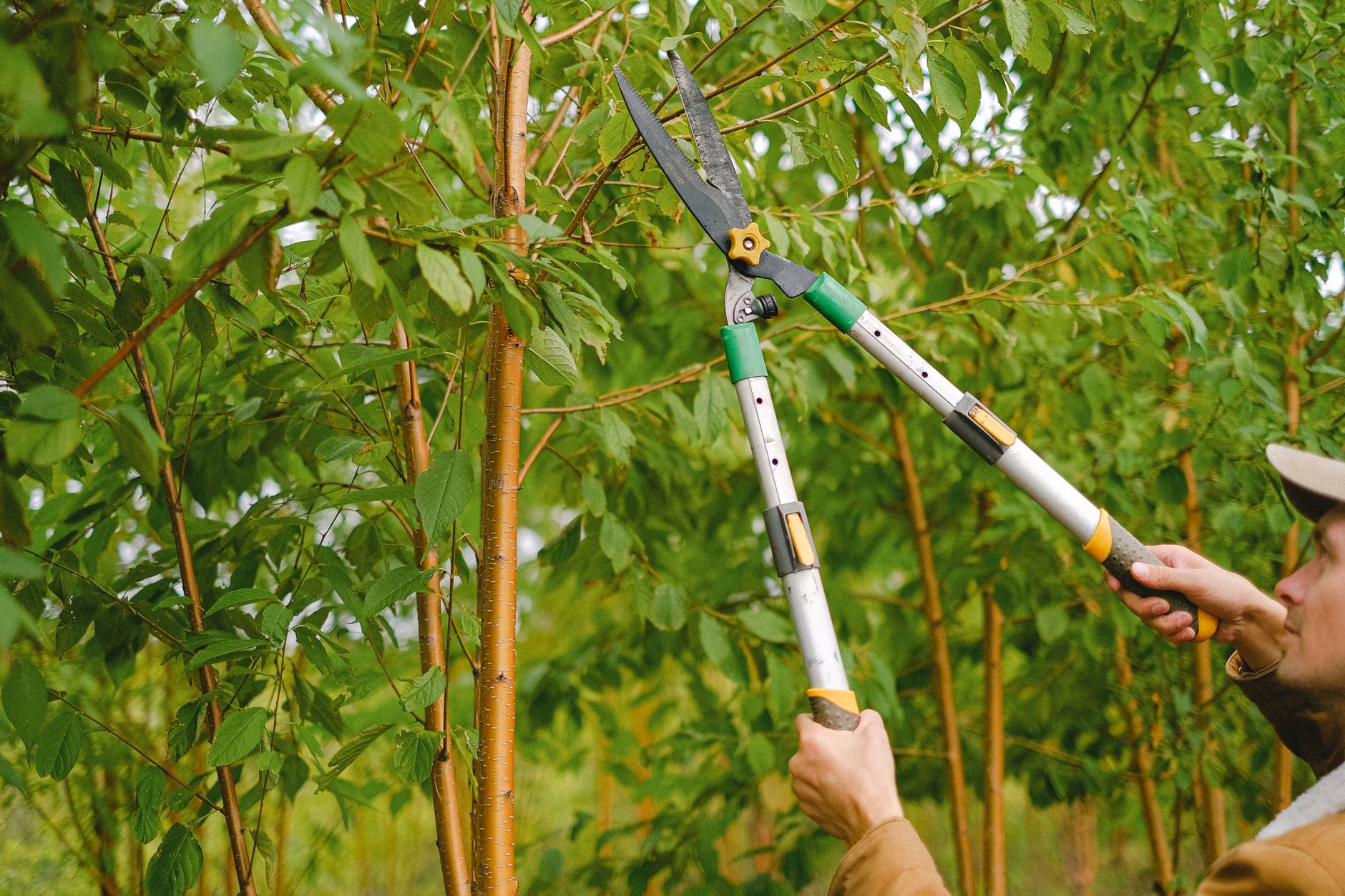
Routine pruning and deadwooding. Removing dead, crossing, or low-hanging branches to improve the tree's shape and health. This is typically scheduled work, done during the tree's dormant season for most deciduous species, and priced by the scope of cutting rather than the whole tree.
Full removal. Taking down the entire tree, usually in sections, then chipping or hauling the wood. This is the most labor- and equipment-intensive category, and the one where crane or bucket-truck access makes the biggest difference in cost.
Stump grinding or removal. A separate step after removal — grinding leaves roots in the ground (faster, less disruptive to surrounding lawn or hardscape), while full stump and root removal digs out more material and usually costs more.
Emergency and storm work. After a storm drops a limb on a roof or a tree falls across a driveway, companies often prioritize safety over aesthetics: securing the site, removing the hazard, and dealing with cosmetic cleanup later. Emergency calls, especially after-hours ones, are commonly priced at a premium over scheduled work.
Tree health care. Fertilization, pest and disease treatment, cabling or bracing a split trunk, and root-zone aeration fall under plant health care rather than cutting, and are priced on a different basis — often as an annual or seasonal service rather than a one-time job.
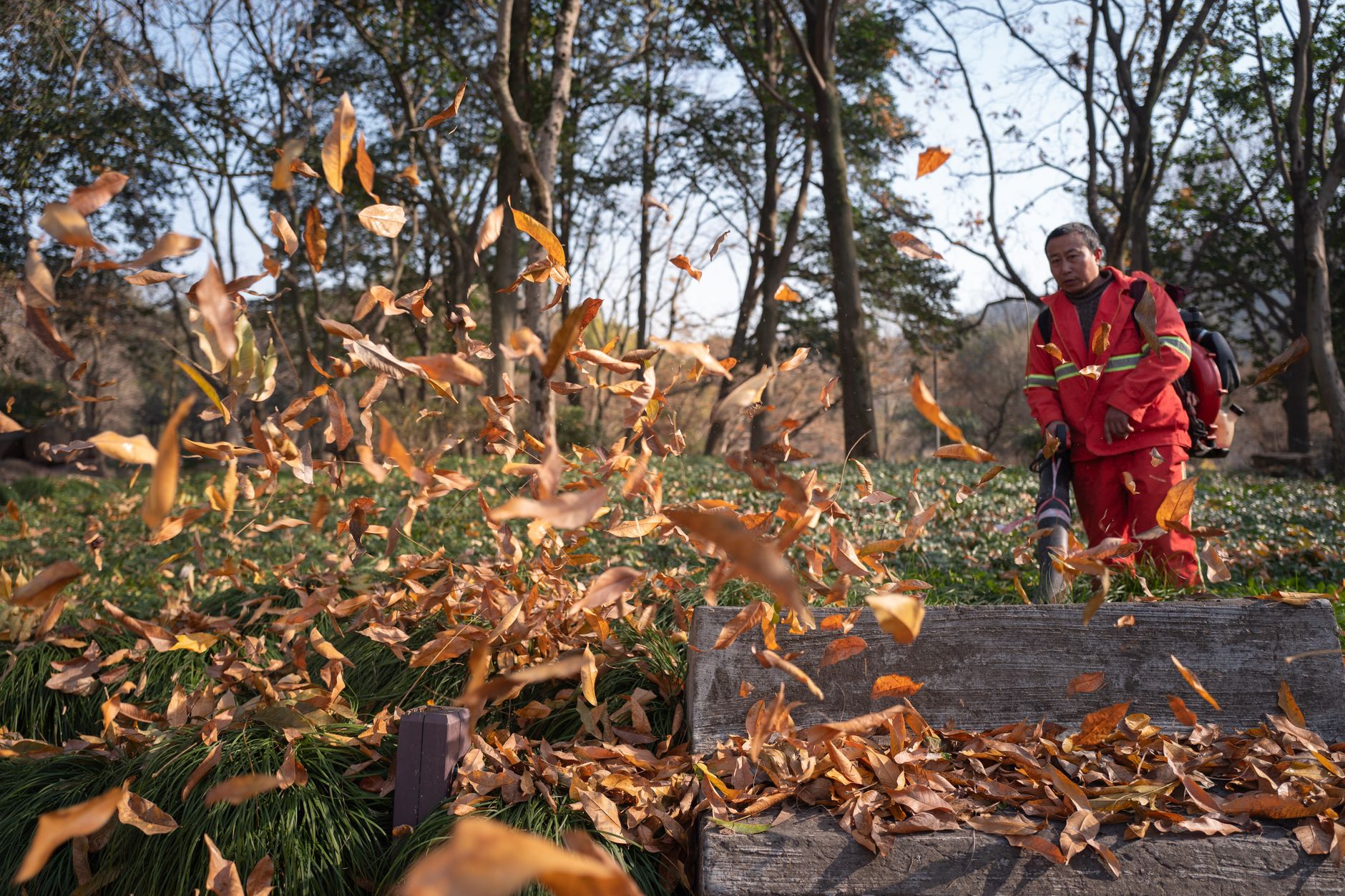
Mid-to-late fall is one of the busiest stretches of the year for tree companies, for a few practical reasons. Many deciduous trees are entering dormancy, which is the preferred pruning window for species that bleed sap or are vulnerable to disease when cut in spring — oaks, in particular, are often pruned in late fall and winter specifically to reduce the risk of oak wilt. Leaves are down, which makes it easier for an arborist to see a tree's actual branch structure and spot weak unions, cavities, or dead limbs that were hidden all summer. And storms that knock down branches or whole trees tend to cluster in fall and winter, which is when emergency calls spike.
It's also the season homeowners tend to look at a tree that's been bothering them all summer — leaning toward the house, dropping limbs on the lawn, or shading out a garden bed — and decide to deal with it before winter weather makes the job harder or more dangerous. If a tree has been on your list, scheduling the inspection now, before the first real cold snap, usually means more availability than calling after a storm has every company in the area booked solid.
A written estimate is only useful if it's clear about what's included. Before agreeing to any tree work, it's worth asking:
Is the company insured? Tree work is dangerous, and liability and workers' comp insurance protect you if something goes wrong on your property. Ask to see proof, not just hear "yes."
Does the crew include a certified arborist? Certification from a body like the International Society of Arboriculture (ISA) signals formal training in tree biology and safe pruning practices, which matters especially for mature or valuable trees.
What exactly is included in the quote? Stump grinding, debris hauling, and cleanup are sometimes line items, sometimes bundled, and sometimes left out entirely. Get it in writing.
Who hauls the wood, and can you keep some for firewood? Many companies will leave cut rounds on request instead of hauling everything away — sometimes for a lower price.
Is a permit required? If the tree is large, native, or protected by a local ordinance, ask whether the company handles the permit or whether that's on you.
What's the timeline, and is there a deposit? Scheduled pruning in fall can book out several weeks; emergency work is usually faster but costs more.
Getting two or three quotes for anything beyond minor pruning is standard practice, and a legitimate company won't hesitate to answer these questions in detail.
Homeowners can safely handle a lot of small pruning — thin branches within easy ladder reach, away from power lines, cut with hand tools or a pole saw. Where it stops being a reasonable DIY job:
Anything requiring a chainsaw above shoulder height, especially from a ladder. Falls and chainsaw injuries are among the most common serious home-improvement accidents.
Any branch or tree near a power line. Utility lines carry enough current to be lethal, and tree companies that do line-clearance work are specifically trained and equipped for it.
Large trees, or any tree that has to come down in sections. Felling a mature tree safely requires reading its lean, understanding how the cuts will release tension, and having rigging or a bucket truck to control where each piece goes.
Storm-damaged trees under tension. A leaning or partially fallen tree can be storing enormous mechanical energy in a bent trunk or branch, and cutting it incorrectly can cause it to snap or roll unpredictably.
If a job needs a ladder taller than you're comfortable on, a chainsaw bigger than you've used before, or any work near a structure or power line, it's worth paying for a professional rather than risking an injury or property damage that costs more than the job would have.
Not every tree problem calls for a saw. A tree that's declining — thinning canopy, early leaf drop, bark that's splitting or oozing — may be dealing with a pest, a fungal disease, soil compaction, or root damage from construction or grade changes nearby. Arborists who offer plant health care services can often diagnose these issues and treat them, sometimes saving a tree that looks headed for removal.
Fall is also a reasonable time to have an arborist look at young or newly planted trees before winter, since cabling a weak branch union, correcting a girdling root, or adjusting a stake now is far cheaper than dealing with storm damage to the same tree later. If a tree service in your area lists plant health care, cabling, or fertilization among its services on the listing page, that's worth asking about even if the original reason you called was about a different tree entirely.
The businesses linked throughout this guide are tree services with established customer ratings in their area, and each one's listing page shows its service area, hours, and contact details. If none of them cover your city, the directory's tree services category pages break listings down by state and city — for example, tree services in Texas or tree services in Illinois — and city pages like Denton, Texas, Champaign, Illinois, and Ann Arbor, Michigan list every garden, landscaping, and tree care business the directory has found nearby.
Tree service pricing depends on the specific tree and site, not a flat rate — size, species, access, proximity to structures, and what happens to the debris afterward all move the number more than the company's name does. Before hiring, confirm insurance, ask whether a certified arborist is involved, and get a written scope that spells out whether stump grinding and hauling are included. Fall's dormant season and clear branch structure make it one of the best times to schedule pruning or a hazard-tree evaluation, before storm season or a hard freeze turns a routine job into an emergency one. Always confirm current rates directly with the business — this guide explains what you're paying for, not what it costs.