


16 Oct 2026 · 9 min read
What Tree Removal and Pruning Cost in 2026
What drives tree service pricing, how pruning differs from removal, and the questions to ask before you hire an arborist this fall.
tree services tree care fall maintenance17 October 2026 · 9 min read
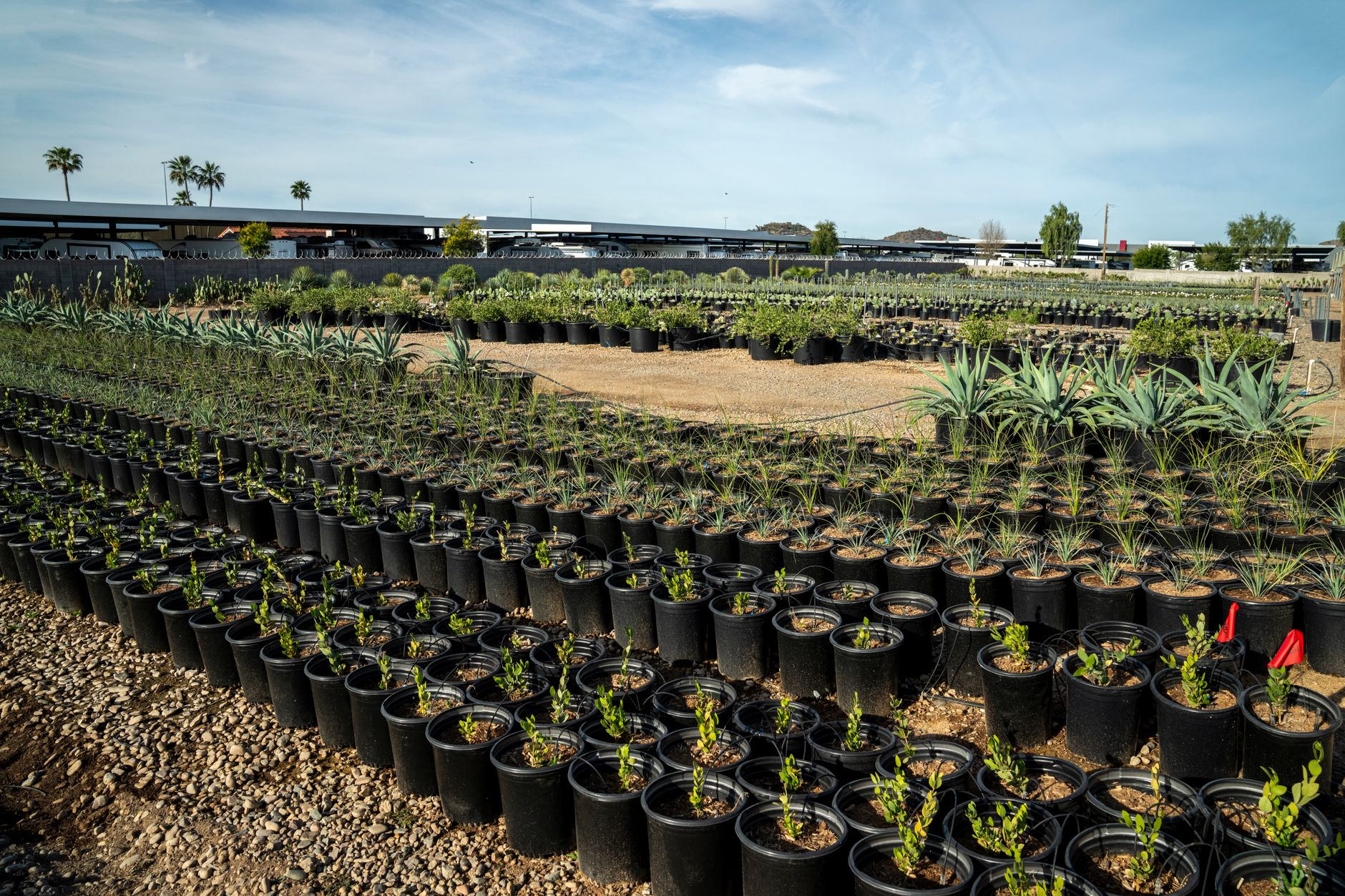
Fall is one of the two windows nurseries point to every year for planting trees — the ground is still warm enough for roots to settle in, the air is cooler so the tree loses less water through its leaves, and most nurseries are stocking up before winter. But a tree is a decades-long purchase, and not every tree on a nursery lot is in the same shape. Some have been sitting in the same container too long. Some were dug and wrapped weeks ago and are already stressed. A few minutes of checking before you buy saves years of slow decline — or an outright replacement — later.
This guide walks through what to look at on the trunk, canopy and root system before you hand over a tree, the questions worth asking nursery staff, and what happens after you get it home. Along the way it points to tree farms, plant nurseries and garden centers around the country that carry trees and the materials to plant them.
Before judging the health of any individual tree, the bigger question is whether it belongs where you plan to put it. A tree that is perfectly healthy today can become a problem in ten years if it was planted in the wrong place.
Three things matter most: sun exposure, soil drainage, and how large the species gets at maturity, including its root spread. A tree rated for full sun that gets planted in deep shade will grow thin and lean toward the light. A tree that needs well-drained soil will sit in standing water after heavy rain if the spot doesn't drain, and the roots will eventually rot. And a tree that reaches 50 feet wide at maturity will outgrow a narrow side yard, pushing against the house, a fence, or power lines within a decade.
Nursery staff can usually tell you a species' mature height and spread, its sun and water needs, and whether its roots are aggressive enough to cause problems near a foundation, septic field, or sidewalk. Bring rough measurements of the planting site and a note on how much sun it gets through the day — that's usually enough for staff to steer you toward species that will actually work there, rather than ones that look good on the lot today.
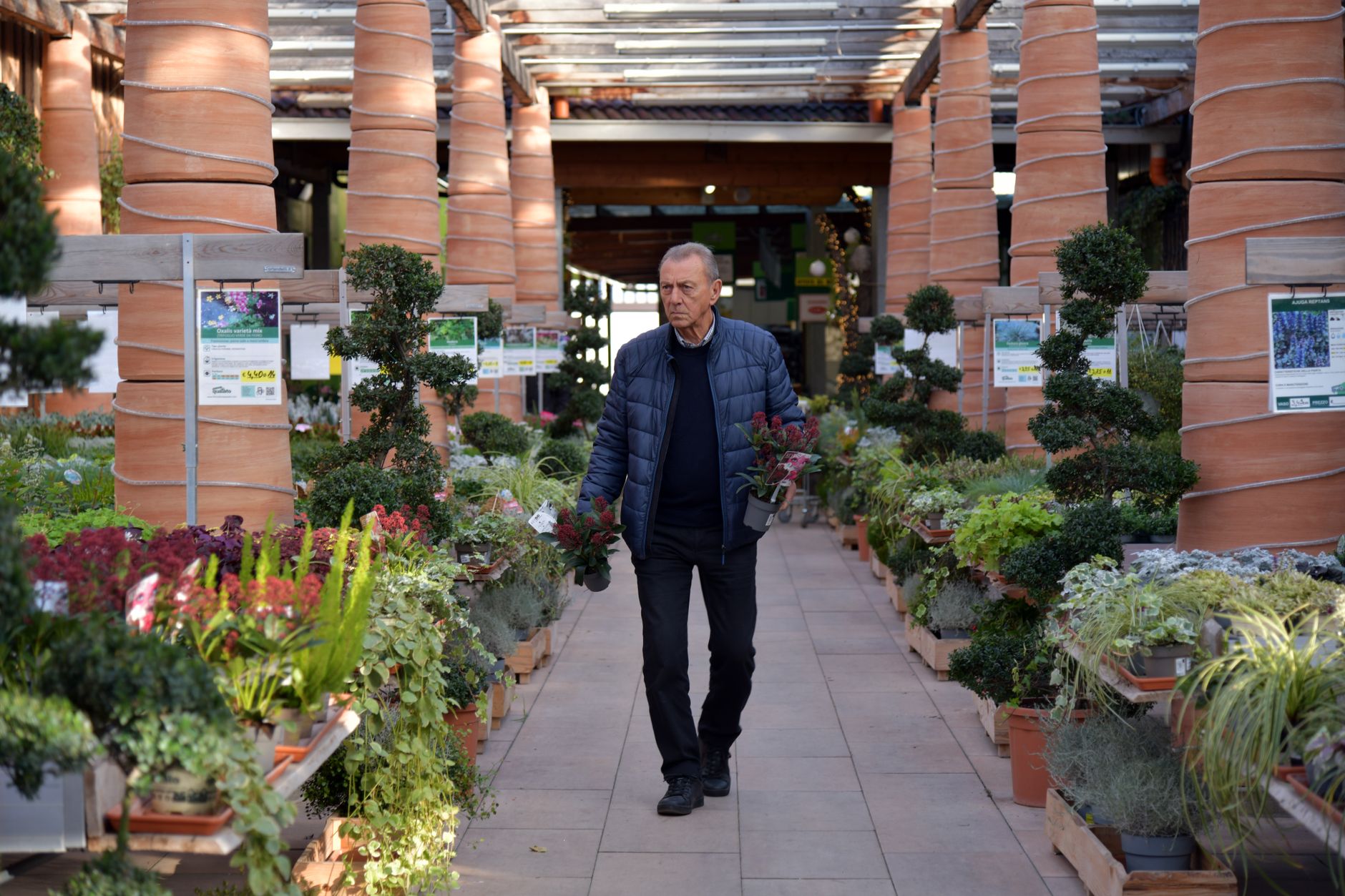
Once you know what species and size you're after, start the hands-on check at the trunk. Run a hand along the bark looking for deep cracks, oozing sap, peeling patches, or soft, discolored spots — all signs of disease, insect damage, or past injury. The trunk should also be relatively straight and free of large wounds where branches were removed improperly.
Look at where the trunk flares out into the root system, sometimes called the root collar or trunk flare. On a healthy tree this flare is visible above the soil line in the container. If the trunk goes straight into the soil like a telephone pole with no visible flare, the tree may have been planted too deep in its container, which can lead to girdling roots later.
Check the canopy next. Leaves or needles should be a consistent, even color for the species and season — not patchy, yellowing, or dropping heavily outside of normal fall color change. Look for a reasonably balanced branch structure on all sides, rather than growth concentrated on one side (a sign the tree was crowded against others for a long time). Snap a small twig if you're unsure about dormancy: live wood is flexible and pale green underneath; dead wood snaps dry and brown.
The roots are the part most buyers skip, and the part that matters most for long-term survival. Nurseries generally sell trees in one of three ways, and each has a different way of checking root health.
| Format | How to check | Best for |
|---|---|---|
| Container-grown | Slide the tree partway out of the pot (ask staff to help); look for white or light-tan root tips, not a dense mat circling the inside of the pot | Most backyard planting; widest size range |
| Balled-and-burlapped (B&B) | Burlap should be damp and intact, the ball firm when pressed, not loose or crumbling | Larger specimen trees moved from a field |
| Bare root | Roots should look moist and pliable, never dry, brittle, or black | Smaller deciduous trees in late winter/early spring |
For a container-grown tree, circling roots (often called being "root-bound") are the single most common problem. A few visible roots near the surface are normal; a dense, woody mat that has taken the shape of the pot is not, and it can eventually strangle the tree if the circling pattern isn't corrected at planting time. Staff at a tree farm or nursery can usually show you what a normal root ball looks like for the size of pot you're considering, which makes it much easier to spot one that isn't.
Tree & Shrub Nurseries · Pleasant Plains, Illinois
A good nursery or tree farm will answer these without hesitation, and the answers tell you a lot about how the tree has been cared for:
Tree & Shrub Nurseries · Magnolia, Texas
Operations that grow a large share of their own stock, like a dedicated tree farm, tend to know these answers in detail because they've tracked the tree from a sapling. La Escondida Tree Farm in Magnolia, Texas, for instance, is a family-owned wholesale and retail grower that specializes in trees and shrubs suited to Texas Gulf Coast conditions, including Live Oaks and Crape Myrtles — the kind of regional knowledge that's harder to get from a big-box lot stocking trees shipped in from several states away.
Tree selection varies enormously by region, and a nursery's strength usually reflects the local climate and customer base. A few examples from different parts of the country show the range:
Tree & Shrub Nurseries · Hicksville, New York
On Long Island, Go Palm Trees in Hicksville, New York focuses specifically on palm trees — a specialty that makes sense given how many homeowners in cooler climates try to push hardy palm varieties a zone or two further north than they're typically grown. A specialist nursery like this is generally a better bet for an unusual or marginal species than a general garden center, simply because the staff deal with that one category of plant all day.
Plant Nurseries · Alpharetta, Georgia
In the Atlanta suburbs, Magnus Gardens in Alpharetta, Georgia carries a wide range of fruit trees alongside herbs and flowering plants — useful if the goal is a tree that also produces something, rather than a purely ornamental or shade tree.
Plant Nurseries · Bradenton, Florida
Down in Bradenton, Florida, Solara Garden Center (formerly Brewer's Nursery) is one of the more heavily reviewed plant nurseries in the directory, which at minimum suggests a steady volume of customers over a long period — a reasonable, if imperfect, proxy for consistency when you can't inspect a nursery's stock in person ahead of a visit.
And a tree farm isn't the only stop worth making. Hands Garden Center in Little Egg Harbor Township, New Jersey is set up as a landscape and garden supply yard, delivering bulk mulch, soil, sand and stone the same day — the kind of place to plan a stop at before or after the tree itself, since a new tree generally needs fresh soil amendment and a few inches of mulch around the base, not touching the trunk.
Garden Centers · Little Egg Harbor Township, New Jersey
If a directory listing you're considering shows a tree nursery near Pleasant Plains, Illinois or any other town, it's worth checking the listing's hours before driving out — many tree farms, including some noted above, keep shorter or seasonal hours outside of spring and fall rushes.
However careful the selection, a tree can still be damaged in transport. Lift and carry a container-grown tree by the pot or root ball, never by the trunk — the trunk isn't designed to bear the plant's full weight, and pulling on it can tear roots loose inside the container without any visible sign from outside. For a balled-and-burlapped tree, keep the burlap on and intact until the tree is in the planting hole; it's there to hold the root ball together, not to be removed beforehand.
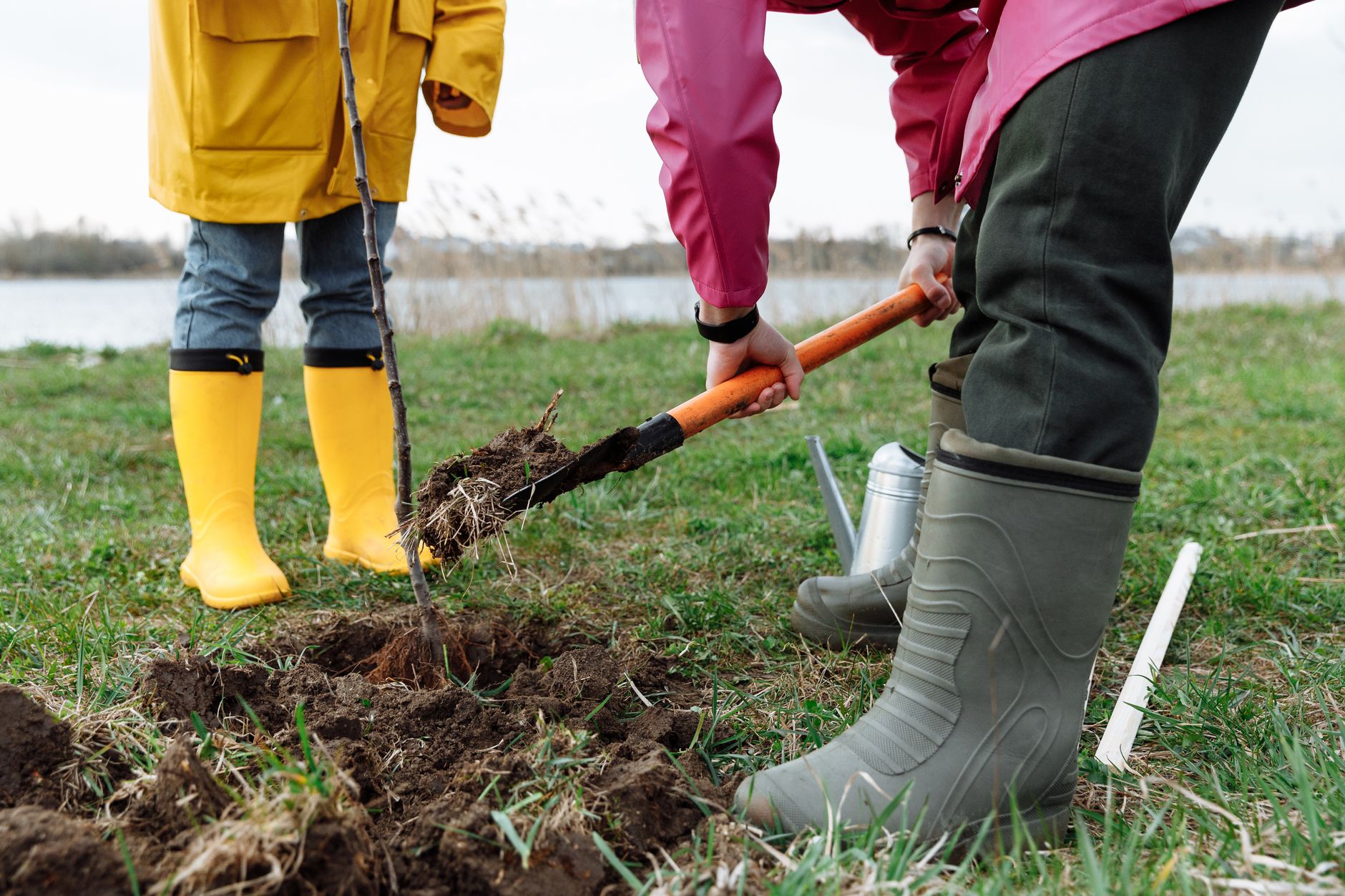
The planting hole itself should be wider than it is deep — generally two to three times the width of the root ball, but only as deep as the root ball itself, so the trunk flare sits at or slightly above the surrounding soil grade once backfilled. Planting too deep is one of the most common causes of a newly planted tree struggling in its first year or two; it suffocates the root system and can eventually lead to the girdling roots mentioned earlier.
Backfill with the original soil in most cases, breaking up large clumps, and water thoroughly as you fill to settle the soil and remove air pockets. A layer of mulch two to three inches deep, pulled back from direct contact with the trunk, helps retain moisture and moderate soil temperature through the tree's first winter.
A newly planted tree needs consistent water, not just an occasional deep soak, for at least its first full growing season while the root system reestablishes itself in the surrounding soil. Most species need the equivalent of about an inch of water a week between rain and irrigation combined, though exact needs vary by species, soil type, and regional climate — nursery staff can usually give a more specific schedule for the tree and zone in question.
Staking is only necessary for trees in exposed, windy sites or with a root ball that's small relative to the tree's height; a tree that can stand on its own generally develops a stronger trunk without a stake. If staking is used, straps should be loose enough to allow some natural movement and removed within a year, not left on indefinitely.
Skip fertilizer in the first year unless a soil test specifically calls for it — new trees are focused on root establishment, and excess fertilizer can push leaf growth the root system isn't yet equipped to support. Watch instead for the signs covered earlier — even color, flexible live wood, steady (if slow) growth — as the ongoing check that the tree is settling in well.
Before buying, check the trunk for a visible flare and sound bark, look at the canopy for even color and balanced branching, and — most importantly — ask to see the roots rather than taking the container's word for it. A tree farm or specialty nursery that can answer detailed questions about how long a specific tree has been grown and how it was moved is generally a safer bet than guessing from a big-box lot. Get the planting depth right, water consistently through the first season, and skip the stake and fertilizer unless the site specifically calls for them.
16 Oct 2026 · 9 min read
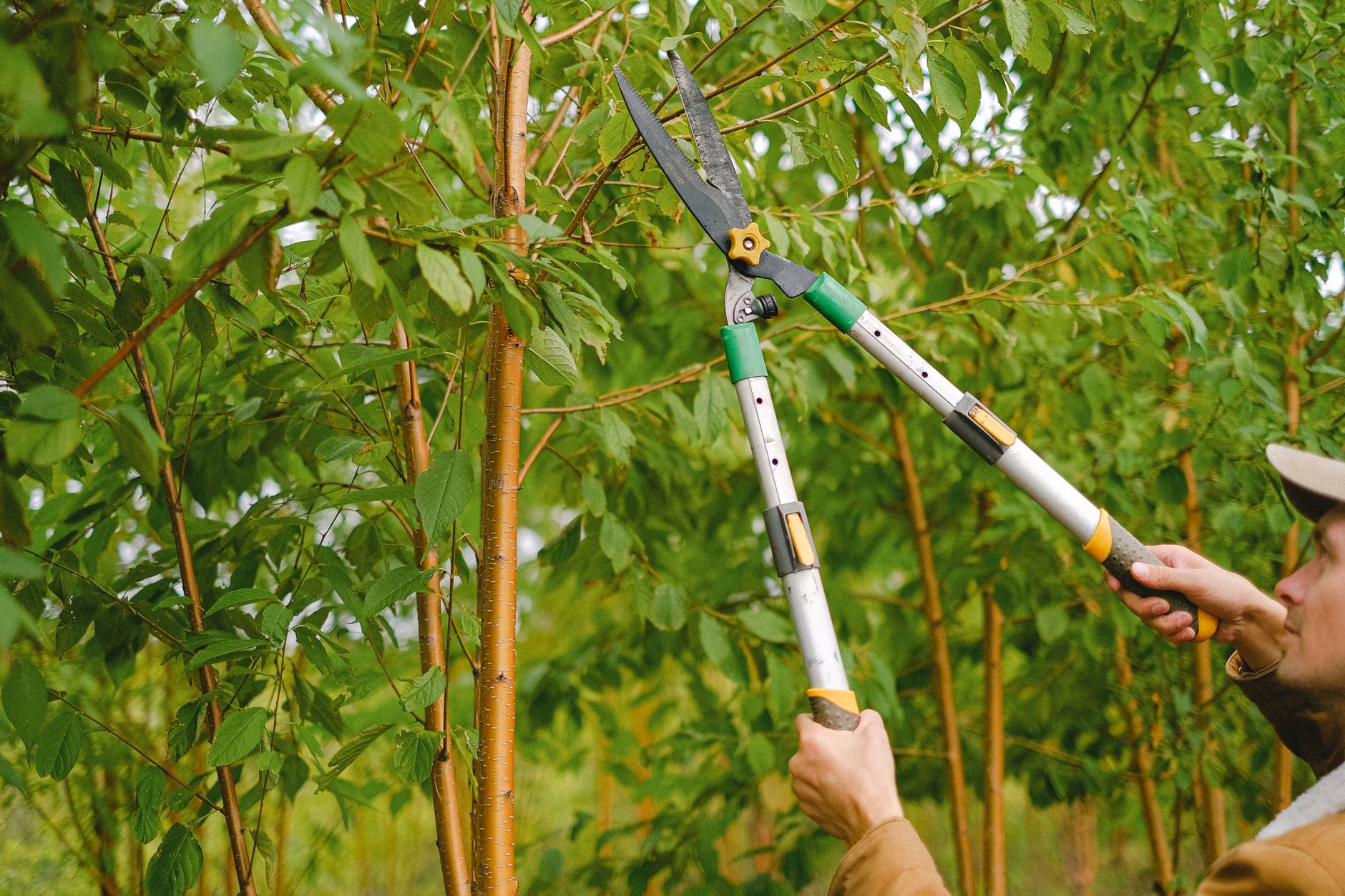
What drives tree service pricing, how pruning differs from removal, and the questions to ask before you hire an arborist this fall.
tree services tree care fall maintenance
15 Oct 2026 · 9 min read
Shut off, drain, and insulate your irrigation system before the first freeze, and get mowers ready for winter storage too.
irrigation winterizing lawn care
14 Oct 2026 · 8 min read
What actually changes for houseplants once the heat comes on, from watering and light to humidity and pests.
houseplants plant care indoor plants