


19 Oct 2026 · 8 min read
What Winter Pruning Does for Trees and Shrubs in 2026
Why late-winter pruning is safer for most trees, which shrubs to leave alone, and when to call a tree service instead of DIY.
winter pruning tree care arborist20 October 2026 · 8 min read
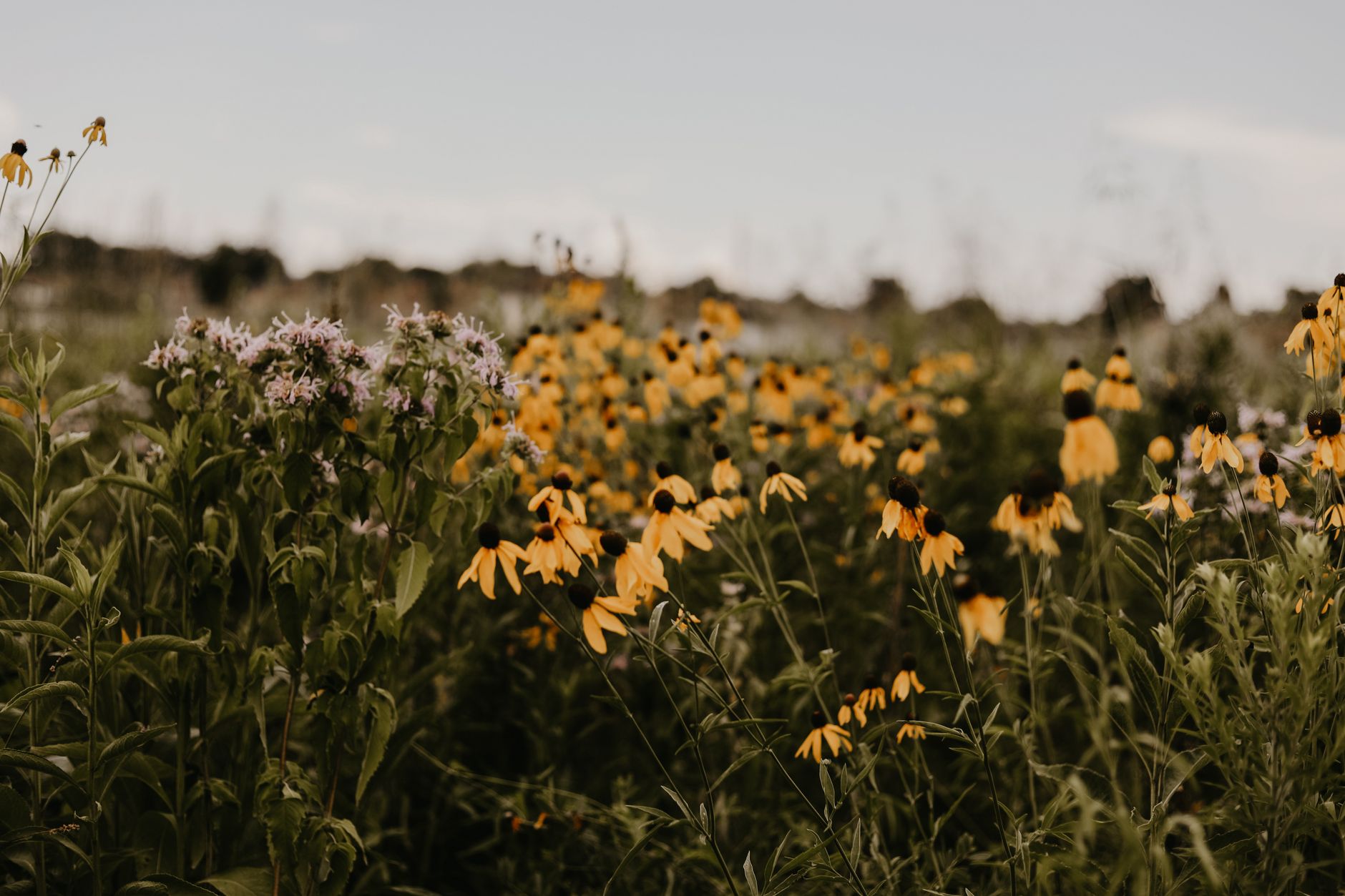
Pollinators are having a hard time in a lot of ordinary yards. Wall-to-wall turf grass, non-native ornamentals bred for size and color rather than nectar, and tidy fall cleanup habits all strip out exactly what bees, butterflies, moths and hummingbirds need to get through the year. Planting native species — perennials, shrubs and trees that evolved alongside local insects and birds — is one of the most direct things a home gardener can do about it. Fall, it turns out, is also one of the better times of year to start.
Many native perennials and woody plants root best when the air has cooled down but the soil is still warm, which describes most of the country from September through November. A plant going into the ground now spends the next several months building roots instead of fighting heat stress, so by spring it is already established and ready to grow rather than just surviving transplant shock. Fall planting also lines up with when many native nurseries are selling off perennial plugs and potted shrubs at the end of the growing season, and with when seed needs to go into the ground anyway — a lot of native wildflower seed requires a cold, moist winter (cold stratification) before it will germinate.
That said, timing still depends on your climate. Gardeners in the Upper Midwest or the Northeast want plants in well before a hard freeze locks up the ground, while gardeners in Florida, Texas or coastal California have a much longer window and can often plant natives right through winter.
"Native" is a more specific claim than "wildflower" or "drought-tolerant." A native plant is one that occurs naturally in a region without human introduction, and has co-evolved there long enough that local insects can actually use it — as a nectar source, a host plant for caterpillars, or shelter. A classic example is milkweed, the only host plant monarch butterfly caterpillars can eat. A showy non-native flower might still feed adult bees and butterflies with nectar, but it usually cannot support the next generation the way a true host plant can.
"Native" is also regional, not national. A plant native to the tallgrass prairie of Minnesota or Wisconsin is not native to the mid-Atlantic, and a Mid-Atlantic native like redbud or Joe-Pye weed is not native to coastal California chaparral. Nurseries that specialize in natives generally sell plants sourced for their own region, which is one reason it is worth buying from a local specialist rather than a generic big-box selection.
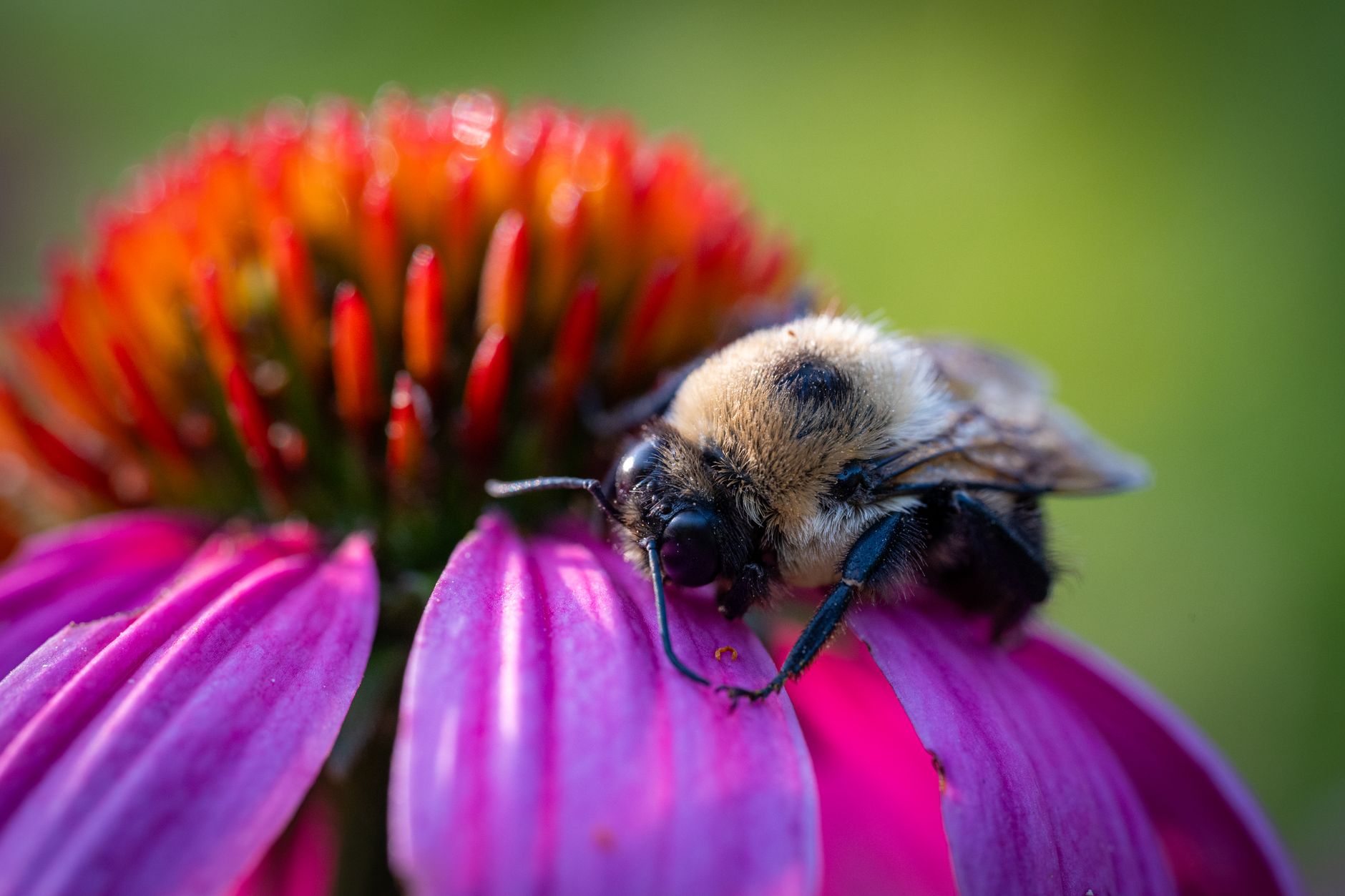
Shop long enough and you'll run into two categories of plants sold as "native": straight species, collected or propagated from local wild populations, and native cultivars, or "nativars" — selections bred for a particular flower color, compact size or disease resistance. Both can be worth planting, but they are not interchangeable for pollinator value. Research on nativars is mixed: some perform just as well as straight species for pollinators, while others — particularly ones bred for unusual leaf color or doubled flowers — produce less nectar or pollen, or flowers that pollinators physically can't access. If supporting pollinators is the main goal, straight species native to your specific region are the safer default, and a nursery that specializes in natives is more likely to carry them and to label plants accurately.
A general garden center may carry a few natives seasonally, but a dedicated native plant nursery is a better source for straight species, locally adapted stock, and staff who can answer questions about what a given plant actually needs. Local Garden Centres lists plant nurseries around the country, including several that focus specifically on native species:
Plant Nurseries · Berkeley, California
In Berkeley, California, Oaktown Native Plant Nursery is rated 4.8 from 58 reviews and lists a selection running from small starts to large specimen trees, with an emphasis on hard-to-find local species. You can browse more plant nurseries in Berkeley.
Plant Nurseries · Sarasota, Florida
Florida Native Plants Nursery & Landscaping, in Sarasota, Florida, is rated 4.9 from 115 reviews and describes itself as a native plant nursery and landscaping business serving Florida gardeners. See other plant nurseries in Sarasota.
Plant Nurseries · Media, Pennsylvania
Redbud Native Plant Nursery, in Media, Pennsylvania, is rated 4.8 from 72 reviews and stocks trees, shrubs and perennials native to the mid-Atlantic region, open seasonally from March through November. More plant nurseries in Media are listed here too.
Plant Nurseries · Watertown, Minnesota
BluPrairie Native Plant Nursery, in Watertown, Minnesota, is rated 5.0 from 26 reviews and specializes in plants native to the Upper Midwest's prairies and savannas. Browse more plant nurseries in Watertown.
Plant Nurseries · Madison, Wisconsin
Prairie Fairy Native Plants, near Madison, Wisconsin, is rated 5.0 from 16 reviews and grows plants native to south-central Wisconsin specifically to support local pollinators and wildlife. See more plant nurseries in Madison.
If there isn't a native specialist in your area yet, ask a general garden center whether they carry a regional native line, or check whether your state has a native plant society — several maintain their own seasonal plant sales.
No single plant list works for the whole country, but a handful of widely available, relatively low-maintenance native perennials give a sense of what to look for in each broad region. Always confirm with a local nursery that a given species is actually native to your specific state, since range maps vary even within a region.
| Region | Easy starter natives | Pollinators typically supported |
|---|---|---|
| Northeast / Mid-Atlantic | Purple coneflower, black-eyed Susan, Joe-Pye weed, redbud | Bumblebees, honeybees, swallowtail butterflies |
| Upper Midwest / Prairie | Butterfly milkweed, little bluestem, wild bergamot, coneflower | Monarch butterflies, native bees, moths |
| Southeast | Firebush, coral honeysuckle, muhly grass, blazing star | Hummingbirds, swallowtails, native bees |
| Florida / Gulf Coast | Firebush, blanket flower, beach sunflower, milkweed species | Monarchs, zebra longwings, native bees |
| West / California | California poppy, yarrow, manzanita, California fuchsia | Native bees, hummingbirds, checkerspot butterflies |
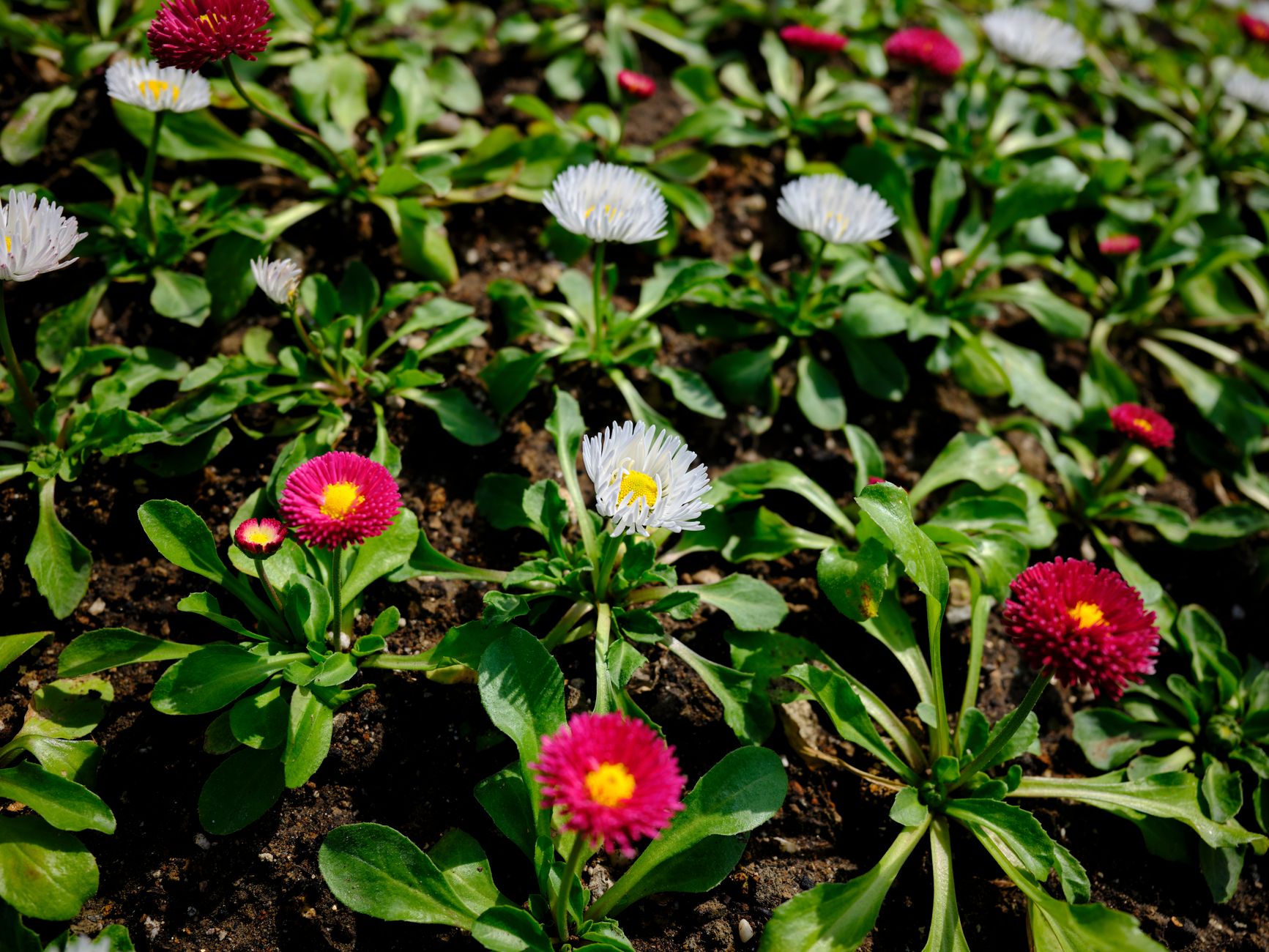
Most native perennials evolved in soil that was never fertilized and in competition with other plants, so the biggest mistake gardeners make is treating a native bed like a vegetable garden — rich, loose soil and wide spacing. Rich soil often makes prairie and meadow natives grow tall, floppy and prone to flopping over, and too much space between plants leaves room for weeds to move in before the natives fill out. It generally helps to:
Local nurseries that specialize in natives are usually a faster source of this kind of site-specific advice than a general plant tag, since they're working with the same regional conditions you are.
One of the more counterintuitive pieces of native-plant care is what to do — or not do — with the garden once frost hits. Many pollinators overwinter in exactly the plant material that a tidy fall cleanup removes: moth and butterfly chrysalises can be tucked into dried stems, native bees nest in the hollow centers of last year's growth, and seed heads left standing feed birds through winter. Where it's practical, leaving perennial stems and seed heads up until late winter or early spring, rather than cutting the whole bed down in October, gives overwintering insects a better chance. New plantings still benefit from a layer of mulch or leaf litter to moderate soil temperature swings through their first winter, even if the rest of the bed is left standing.
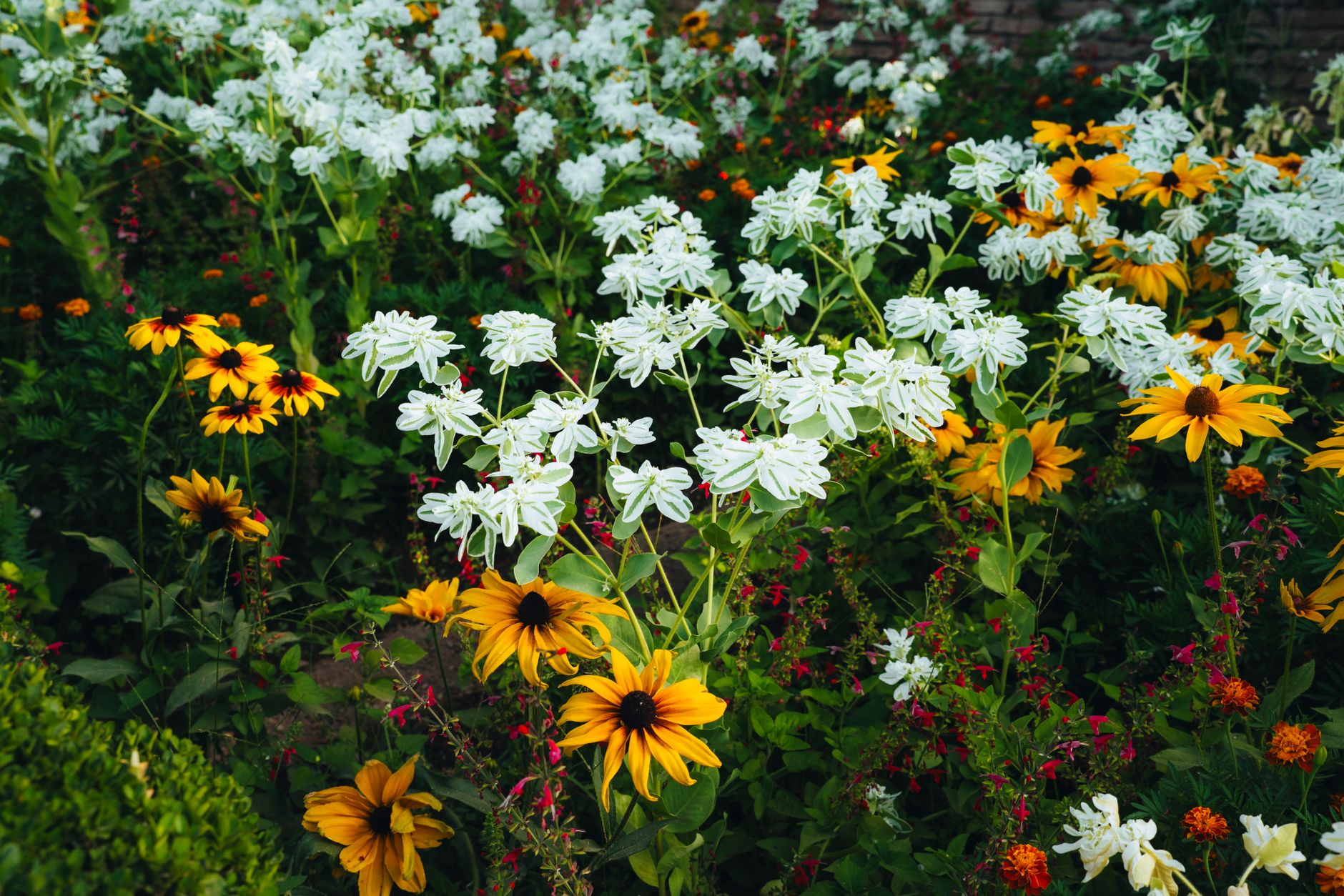
If you want to see mature native plantings before committing to a design at home, a public garden with a dedicated native collection is a useful reference point for spacing, companion planting and seasonal bloom sequence.
Botanical & Public Gardens · Bronx, New York
The Native Plant Garden at the New York Botanical Garden, in the Bronx, New York, is rated 4.6 from 22 reviews and is organized specifically around native species and the habitats they form. You can find more botanical and public gardens in the Bronx, and more botanical gardens nationwide on Local Garden Centres.
Pollinator decline is a big problem with a genuinely small-scale fix: swapping even part of a yard from turf or non-native ornamentals to regionally native perennials, shrubs and trees gives bees, butterflies and birds food and shelter they can actually use. Fall is a practical time to start in most of the country, since cooler air and warm soil favor root establishment, and many specialist nurseries are stocking up for the season. Start with a straight species or two suited to your specific region, buy from a local nursery that can confirm it's actually native to your area, and resist the urge to cut the bed all the way down once frost hits — the insects you planted it for are counting on what's left standing.
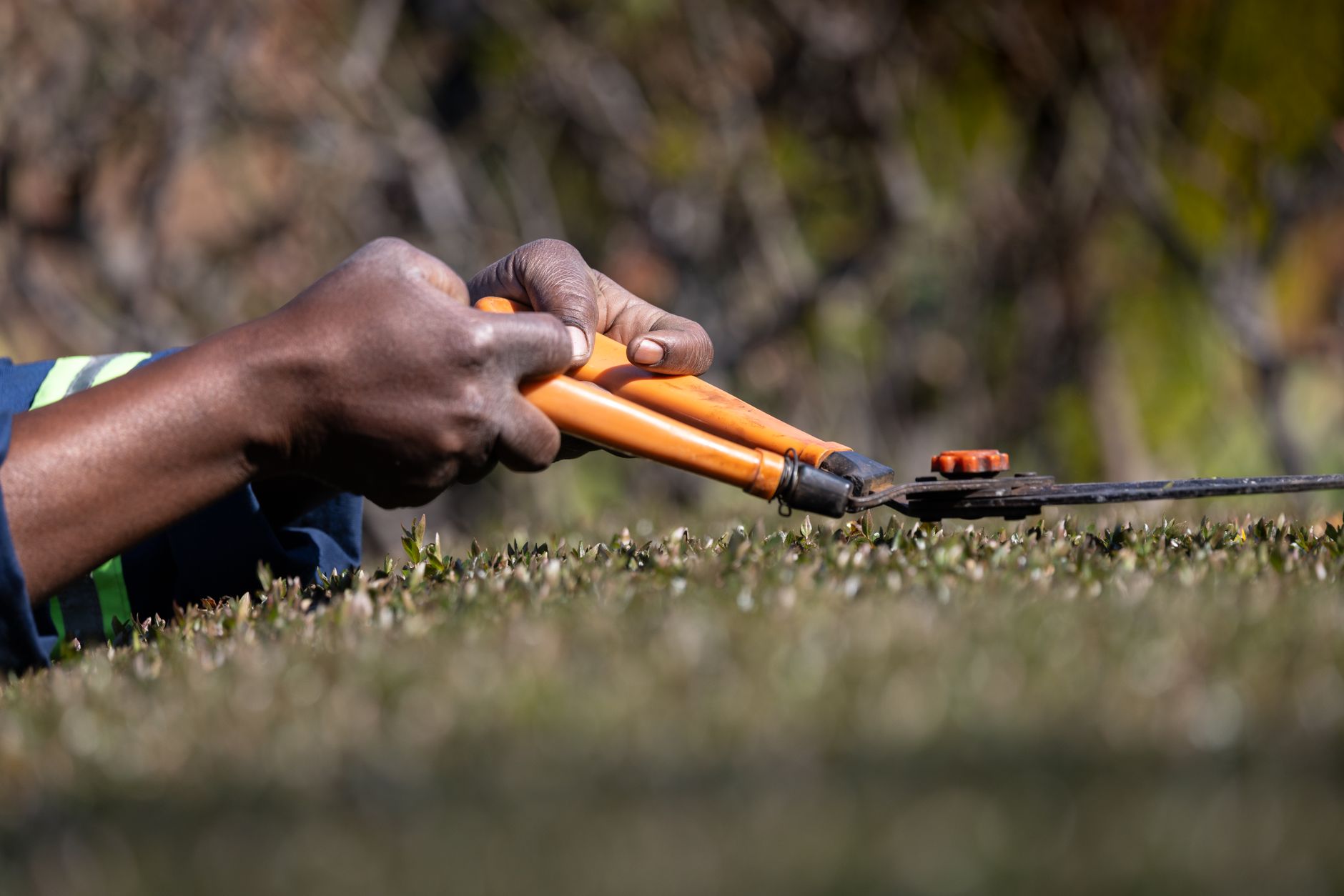
19 Oct 2026 · 8 min read
Why late-winter pruning is safer for most trees, which shrubs to leave alone, and when to call a tree service instead of DIY.
winter pruning tree care arborist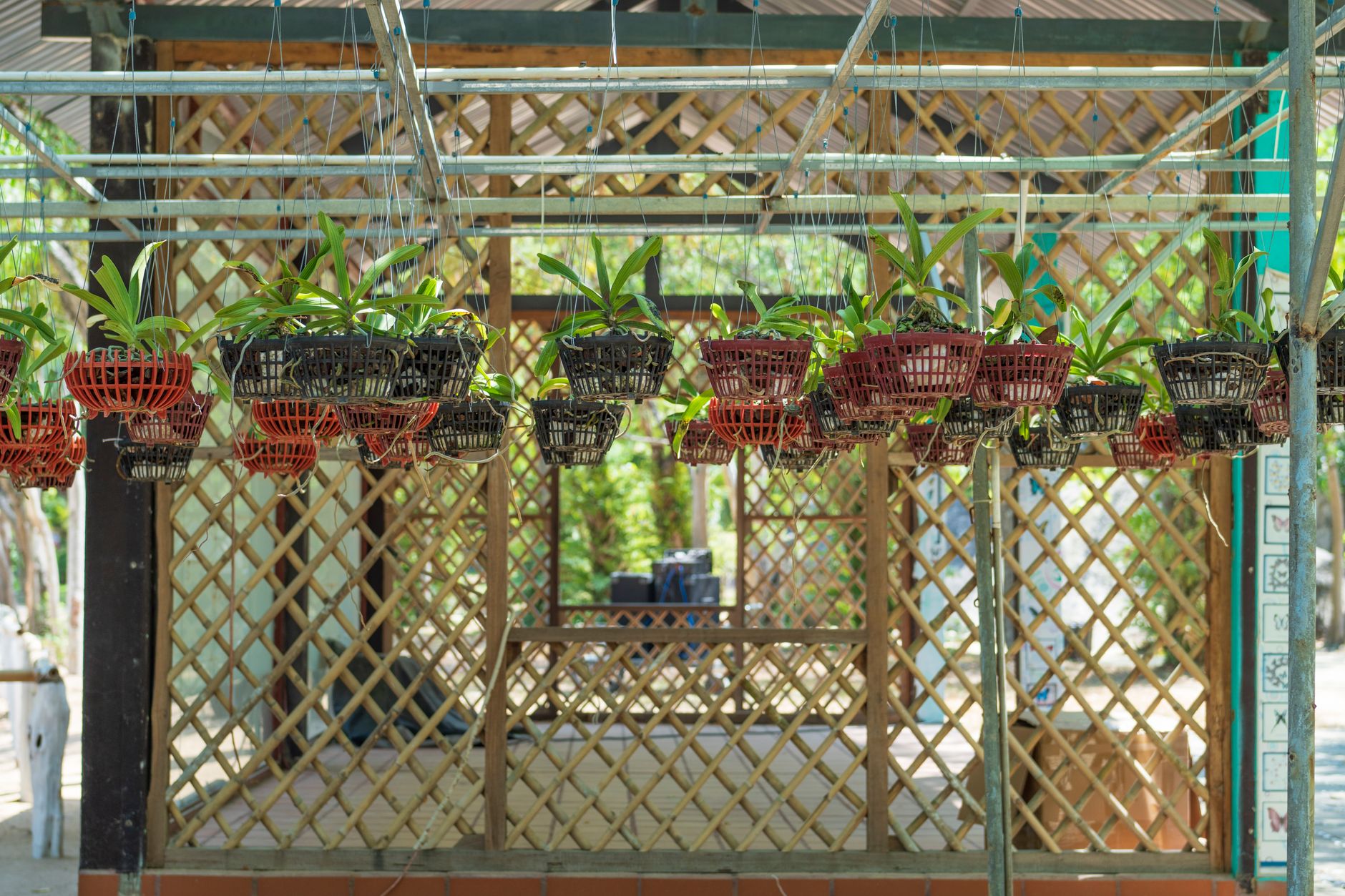
18 Oct 2026 · 8 min read
A guide to Miami garden centers, tropical nurseries, bonsai growers and water-garden suppliers for fall planting season.
Miami Florida tropical plants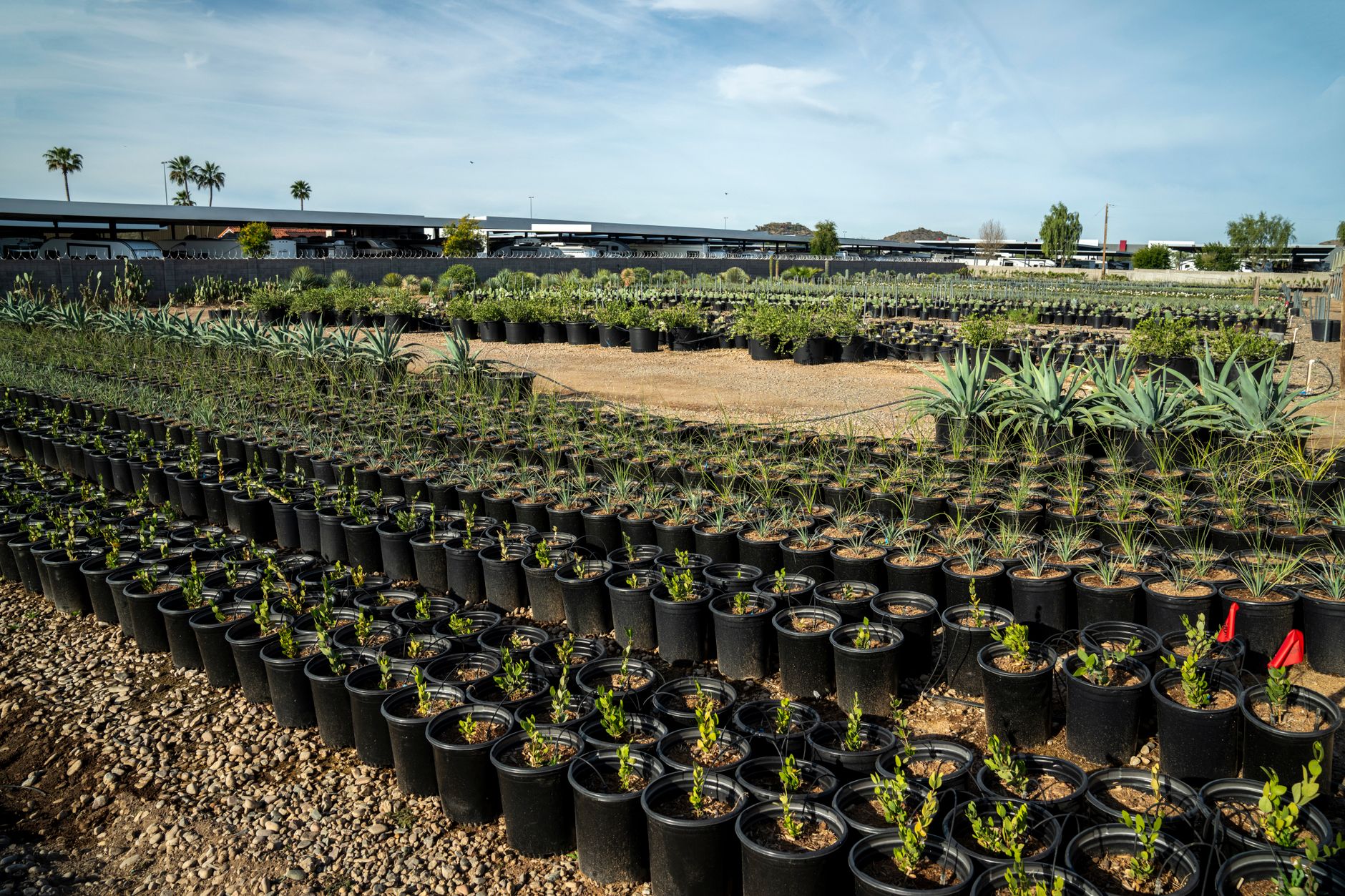
17 Oct 2026 · 9 min read
Fall is prime tree-planting season. What to check on the trunk, canopy and roots before you buy, and the questions worth asking nursery staff.
tree planting tree nurseries fall planting