


18 Oct 2026 · 8 min read
Garden Shopping in Miami, Florida for Fall 2026
A guide to Miami garden centers, tropical nurseries, bonsai growers and water-garden suppliers for fall planting season.
Miami Florida tropical plants19 October 2026 · 8 min read
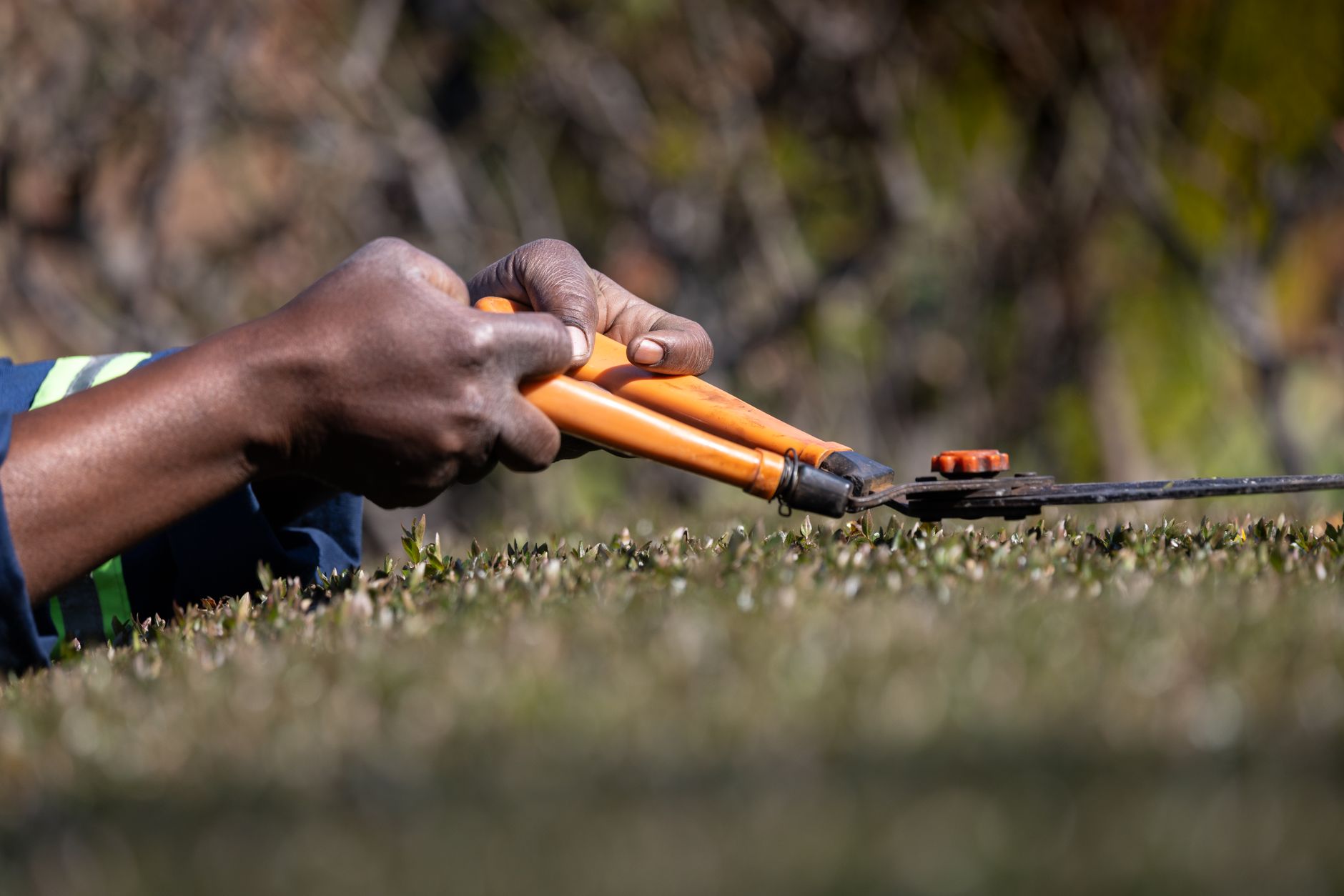
Most deciduous trees and shrubs spend November through March doing nothing visible above ground — and that stillness is exactly why arborists treat late fall through late winter as prime pruning season. Cutting a tree or shrub while it's dormant is different, biologically and practically, from cutting it in June. Here's what dormant pruning actually does, which plants it helps, which ones it can hurt, and when the job is worth handing to a professional tree service.
Once a deciduous tree drops its leaves, it stops actively moving sap and nutrients through its branches the way it does in spring and summer. That matters for three practical reasons. First, a cut made during dormancy doesn't "bleed" sap the way the same cut would in spring — maples, birches and elms are notorious for messy, if mostly harmless, sap flow when pruned too early in the season. Second, many fungal and insect pests that spread disease through fresh wounds are themselves dormant or far less active in cold weather, so the risk of introducing problems like oak wilt or fire blight through a pruning cut drops substantially in winter. Third, with no leaves in the way, you can actually see the tree's structure — crossing branches, weak crotches, and dead or damaged wood are far easier to spot and correct when the canopy is bare.
None of this means winter is the only acceptable time to prune. It means winter pruning carries less risk for the specific problems that make summer and early-fall pruning riskier for many species.
Shade trees — oaks, maples, honeylocusts, lindens — are classic candidates for dormant-season structural pruning, including corrective cuts on young trees to establish good branch spacing and remove competing leaders. Fruit trees (apples, pears, peaches) are typically pruned in late winter before bud break, which is when commercial orchards do their major structural work, because it encourages the vigorous spring growth that produces next season's fruiting wood. Many deciduous shade and street trees also tolerate winter removal of deadwood and storm-damaged limbs better than a mid-summer equivalent cut, since the tree isn't diverting energy to heal a wound while also trying to support full leaf-out.
Evergreens are a different story. Most conifers need little pruning at all, and when they do, late winter to very early spring — before new growth starts — is generally fine for shaping, though heavy cuts into bare wood on some species (like most pines) won't regenerate new growth the way broadleaf evergreens can.
The most common winter-pruning mistake isn't pruning too much — it's pruning the wrong plants. Spring-flowering shrubs that set their flower buds the previous summer, such as forsythia, lilac, azalea, rhododendron and many viburnums, will lose some or all of their coming bloom if you prune them in winter, because you're cutting off the buds that were already formed and waiting out the cold. The rule of thumb nurseries and garden centers often repeat: if a shrub blooms before roughly early June, prune it right after flowering, not before. Summer-blooming shrubs like most hydrangea varieties (check which type — some set buds on old wood, some on new), crape myrtle, and rose-of-Sharon generally tolerate late-winter pruning because they bloom on the current season's growth.
Garden Centers · Dexter, Michigan
A garden center or full-service nursery that stocks what you're growing can usually tell you, plant by plant, which bloom-timing category something falls into — it's one of the more useful things to ask when you're buying a shrub in the first place, since the answer determines your pruning calendar for as long as you own the plant.
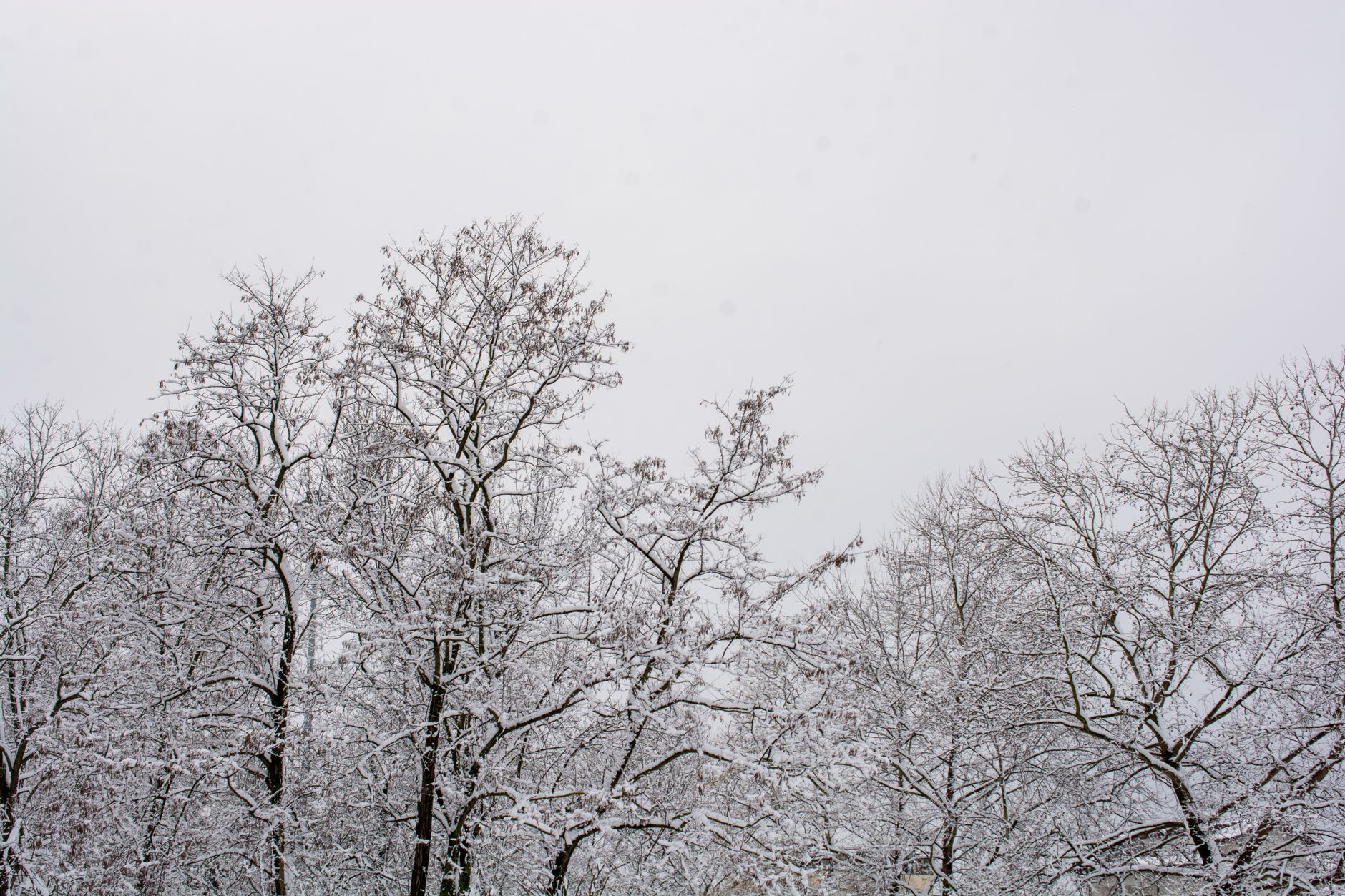
The dormancy window itself isn't the same everywhere, which is why "winter pruning" means a different stretch of weeks depending on where a property is. In colder zones — much of Michigan, upstate New York, Colorado's Front Range, inland New England — trees typically go fully dormant by late November and stay that way into March, giving a wide, low-risk pruning window. In warmer parts of the South and coastal California, dormancy is shorter and shallower, some species barely stop growing at all, and pruning schedules shift earlier or get tied more to bloom timing than to a hard freeze date. Local tree services and nurseries are the best source for exactly when "late winter" starts in a given area, since it tracks the local last-frost date more than the calendar.
| Region type | Typical dormant window | Pruning consideration |
|---|---|---|
| Cold winter (upper Midwest, interior Northeast, Mountain West) | Late Nov–March | Wide safe window; wait for leaf drop and hard freeze |
| Mixed/transitional (mid-Atlantic, Ohio Valley) | Dec–Feb | Narrower window; watch for early warm spells |
| Mild winter (Deep South, coastal Southeast, Southwest) | Variable, often partial | Tie timing to bloom schedule more than frost |
| Warm/coastal California, Florida | Minimal true dormancy | Prune by species bloom timing, not season |
Good timing doesn't make up for a bad cut. A few fundamentals apply year-round: cut just outside the branch collar (the slightly swollen area where a branch meets the trunk or a larger branch) rather than flush against the trunk, which helps the tree seal the wound properly. Avoid "topping" — cutting main branches back to stubs — which forces weak, poorly attached regrowth and is widely discouraged by arborist associations. For anything thicker than a finger, use the three-cut method (an undercut, a top cut, then a final cut near the collar) so the branch's weight doesn't tear bark down the trunk as it falls. And keep tools clean and sharp; a clean cut heals faster and more predictably than a ragged one from dull or dirty blades, which is also how diseases move between plants if you're pruning more than one.
Landscape Supply Stores · Framingham, Massachusetts
Landscape supply yards and well-stocked garden centers typically carry bypass pruners, loppers and pruning saws sized for different branch diameters, along with the bar oil and replacement blades that keep larger tools cutting cleanly through a winter's worth of jobs.
Hand pruners and loppers handle most routine work on shrubs and small ornamental trees: thinning crowded growth, removing dead or crossing branches, light shaping. If you can reach the branch comfortably from the ground or a short stepladder, and the piece you're cutting is light enough to control as it falls, it's generally within DIY range. Fruit tree pruning, while it benefits from some technique knowledge, is also commonly done by homeowners once they understand the goals (open center, good light penetration, manageable height).
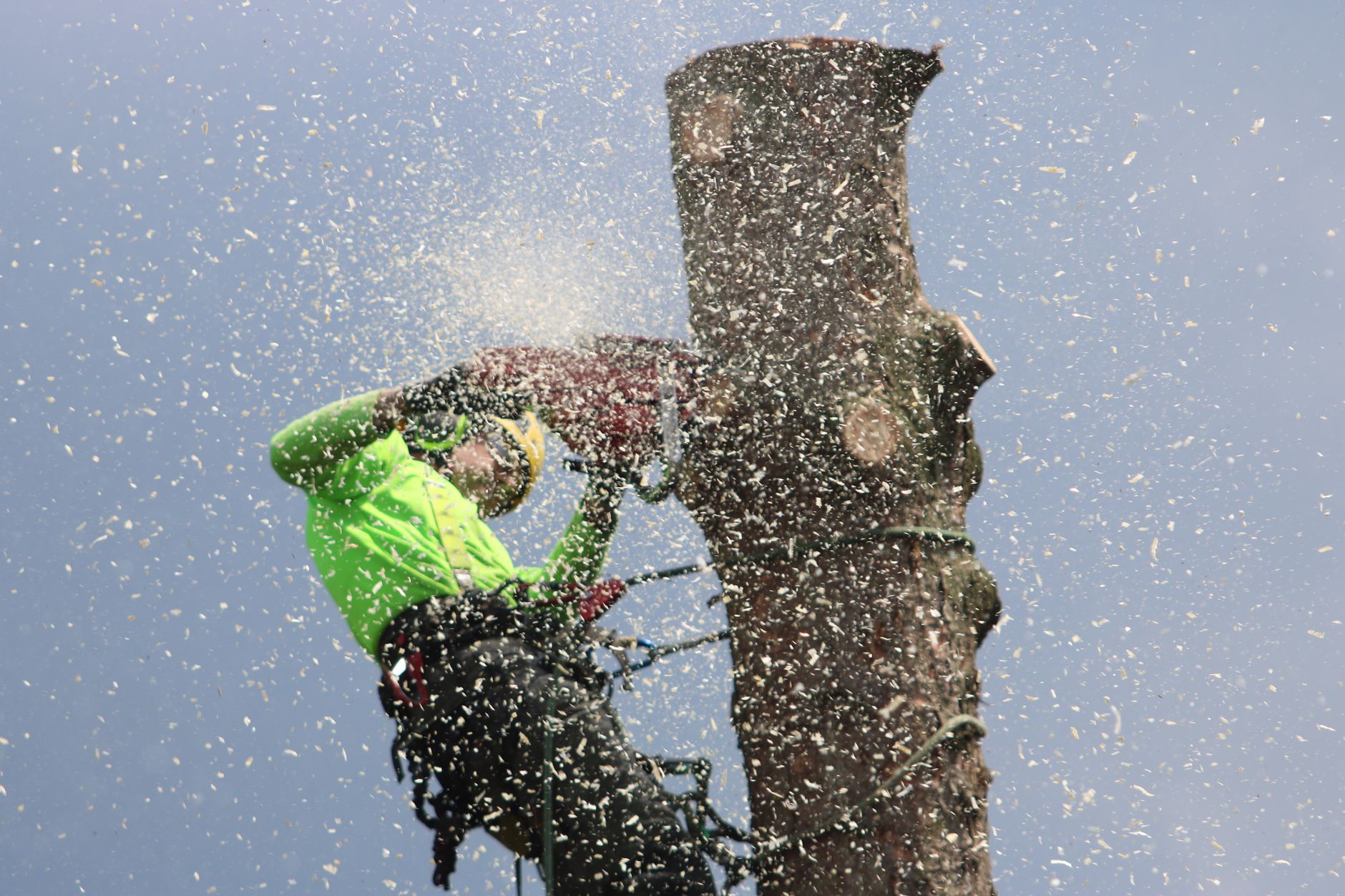
A few conditions call for extra caution even on smaller jobs: don't prune during or right after an ice storm, since brittle, ice-coated wood breaks unpredictably and the footing underneath is treacherous; and don't prune a tree you suspect is diseased or structurally compromised without getting an opinion first, since the wrong cut on a weak tree can accelerate failure rather than fix it.
The calculus changes once a job involves height, weight, or anything near power lines or a structure. Large limb removal from a mature shade tree, any work that requires climbing or a bucket truck, storm-damaged trees with cracked or hanging limbs, and anything within reach of overhead utility lines are jobs for a licensed, insured tree service — not because a homeowner can't learn the techniques, but because the margin for a serious fall or electrical injury is real and the insurance and liability exposure of DIY work on a large tree is significant. An ISA Certified Arborist can also diagnose structural problems (included bark, decay pockets, root issues) that aren't obvious from the ground.
Tree Services & Arborists · Boulder, Colorado
Tree Services & Arborists · Ann Arbor, Michigan
Tree Services & Arborists · Lynn, Massachusetts
Tree Services & Arborists · White Plains, New York
Tree services in different climates see different winter workloads — in snow-and-ice regions they're often also fielding storm-damage calls through the dormant season, while in milder areas structural pruning work is more evenly spread across the cooler months. Either way, a reputable company will walk the property, explain what they're removing and why, and give a written estimate before cutting anything.
When getting quotes for tree work, ask what's included (cleanup and brush removal, stump grinding, debris hauling) since those are often priced separately from the cutting itself, and ask about licensing and insurance — a legitimate tree service should carry liability coverage and workers' compensation, since tree work is dangerous and a bystander or property damage claim is not something a homeowner wants to inherit from an uninsured contractor. It's also reasonable to ask whether the estimator is an ISA Certified Arborist or has one on staff, since certification indicates formal training in diagnosing tree health and structural risk, not just cutting technique. Current rates vary by region, tree size and job complexity enough that there's no single number worth quoting here; check current rates with a couple of local tree services for comparison, and get more than one estimate on any job involving a large or potentially hazardous tree.
Winter is also a practical time to schedule tree work for reasons that have nothing to do with the tree itself: many tree services see a seasonal lull in storm-driven emergency calls during stretches of calm winter weather, which can mean more scheduling flexibility than during a busy spring storm season, when crews are often working through backlogs from wind and ice damage.
If you garden or landscape in Ann Arbor, Michigan, Dexter, Michigan, Boulder, Colorado, Lynn, Massachusetts, Framingham, Massachusetts or White Plains, New York, the directory's tree services and garden center listings for those areas are a starting point for finding help locally; browsing the landscape supply category is useful for stocking up on pruning tools and supplies before you start.
Prune deciduous shade and fruit trees during their dormant season — generally late fall through late winter where real dormancy occurs — for cleaner cuts, lower disease risk, and a clear view of the branch structure you're working with. Leave spring-blooming shrubs alone until right after they flower, so you don't cut off the buds they already set. Handle light shaping and small deadwood removal yourself if you can do it safely from the ground; call a certified tree service for anything involving height, heavy limbs, or proximity to power lines. And match the calendar to your actual climate zone rather than a generic date, since "winter" pruning season starts and ends at different points depending on how cold, and how long, your winters really are.
18 Oct 2026 · 8 min read
A guide to Miami garden centers, tropical nurseries, bonsai growers and water-garden suppliers for fall planting season.
Miami Florida tropical plants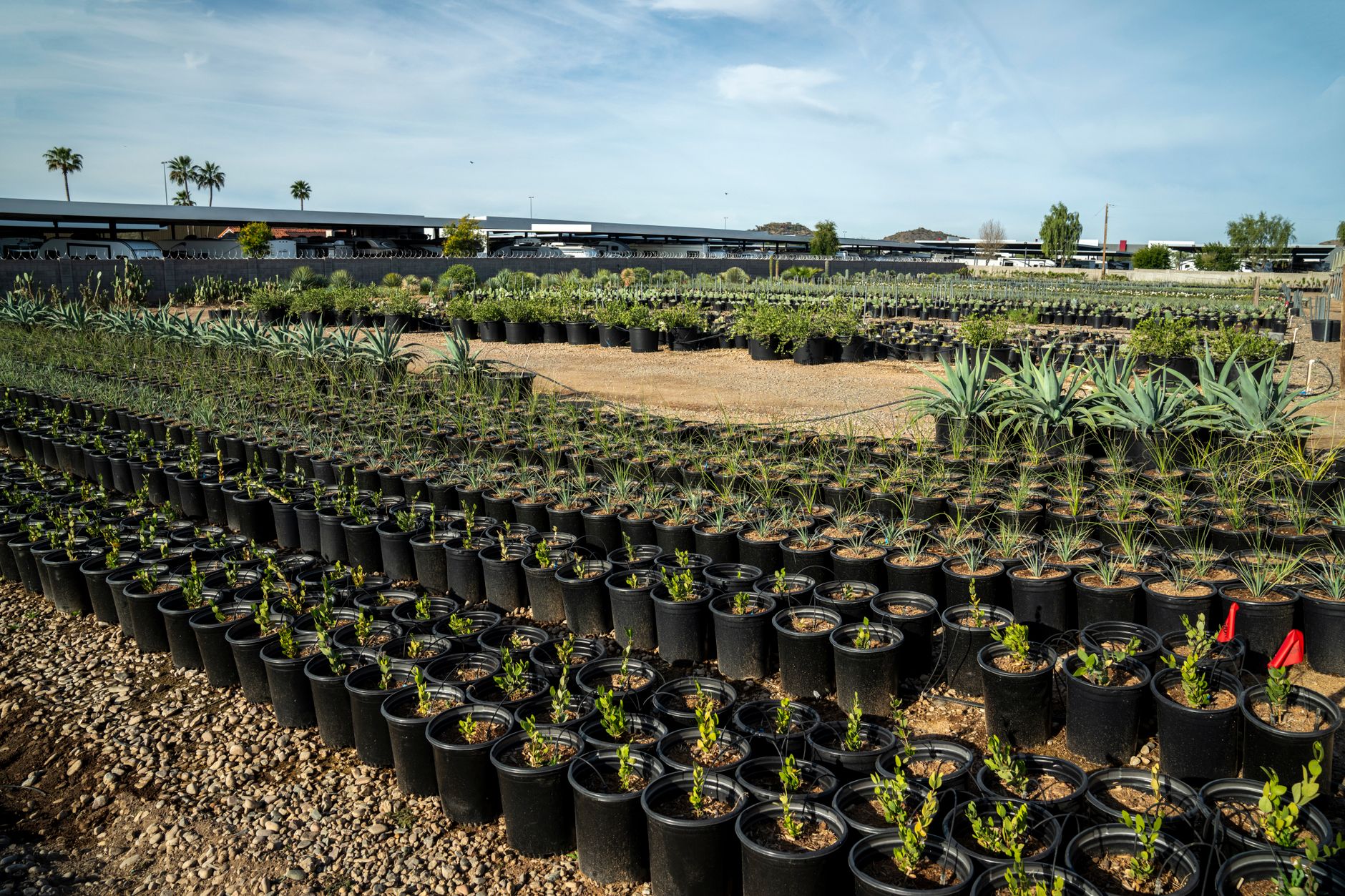
17 Oct 2026 · 9 min read
Fall is prime tree-planting season. What to check on the trunk, canopy and roots before you buy, and the questions worth asking nursery staff.
tree planting tree nurseries fall planting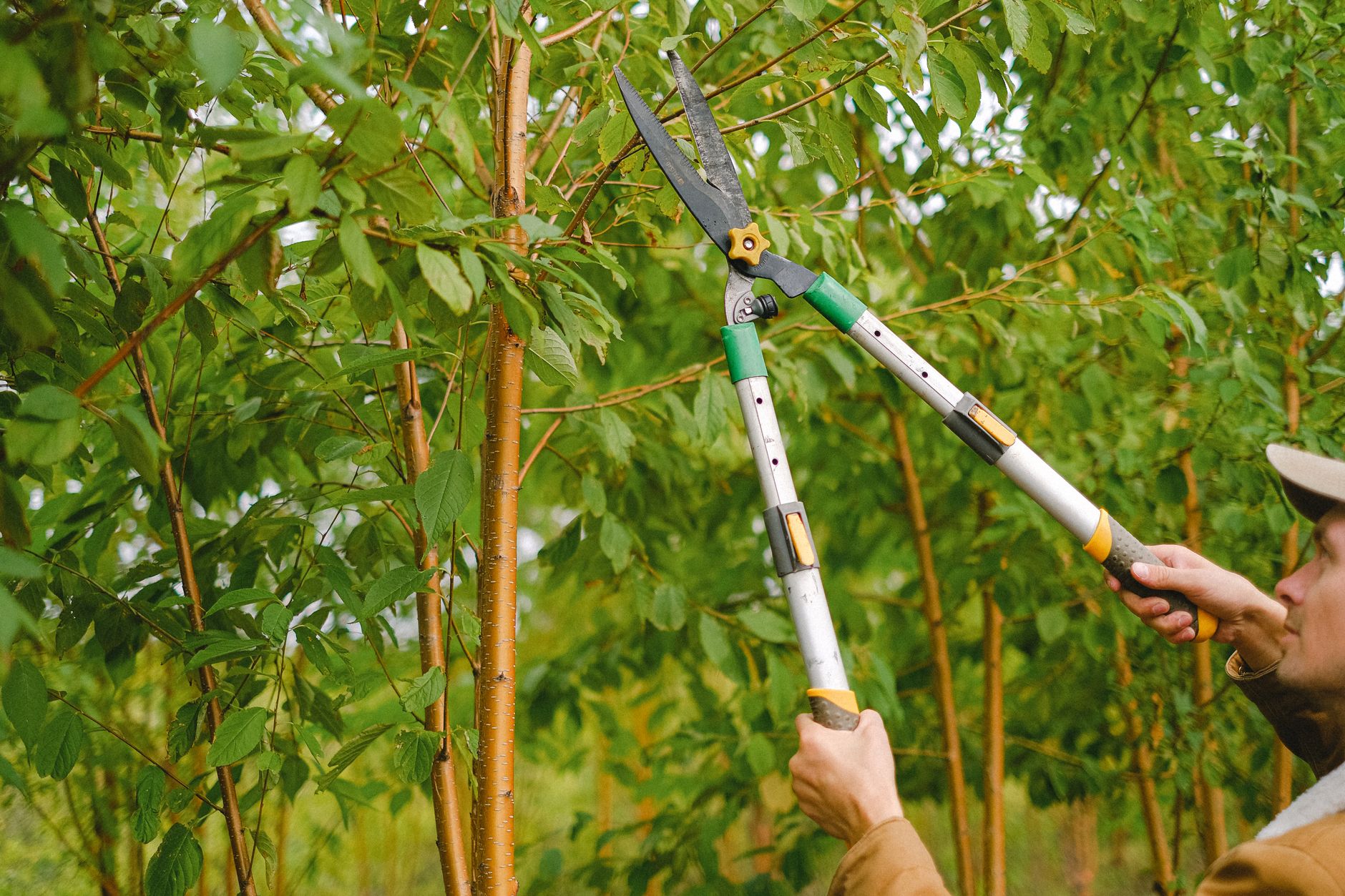
16 Oct 2026 · 9 min read
What drives tree service pricing, how pruning differs from removal, and the questions to ask before you hire an arborist this fall.
tree services tree care fall maintenance